Hepatitis B Envelope Antigen (HBeAg), Serum
What it is
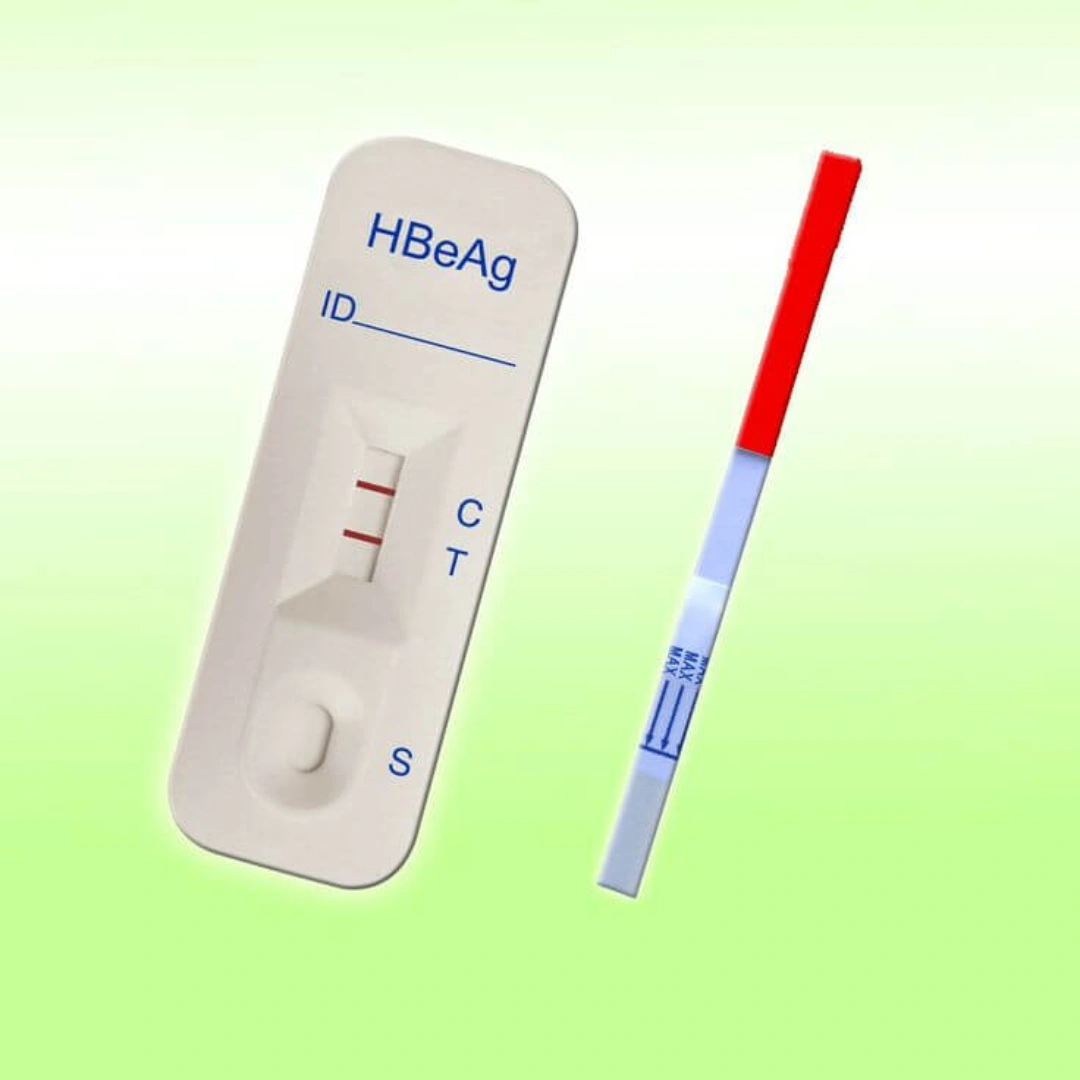
The Hepatitis B Envelope Antigen (HBeAg) test detects the presence of the hepatitis B envelope antigen in the blood. HBeAg is a viral protein secreted by hepatitis B virus (HBV) during active replication. Its presence typically indicates high levels of viral replication and infectivity, making it an important marker in the diagnosis and management of hepatitis B infection.
Uses
This test is used to:
- Identify patients with active HBV replication and high infectivity.
- Differentiate phases of chronic hepatitis B infection (active vs. inactive carrier state).
- Monitor response to antiviral therapy, especially in chronic HBV patients.
- Assess risk of mother-to-child transmission during pregnancy.
Symptoms That May Lead to the Test
Doctors may order HBeAg testing if you are diagnosed with hepatitis B or are being monitored for disease activity. It may also be ordered if you present with hepatitis-related symptoms such as jaundice, fatigue, dark urine, pale stools, abdominal pain, nausea, or unexplained elevation of liver enzymes.
Abnormal Results
Positive HBeAg: Indicates high levels of HBV replication and high infectivity. It suggests an active phase of infection and increased risk of transmitting HBV to others.
Negative HBeAg: May indicate low viral replication, inactive carrier state, or successful immune clearance. However, some HBV strains (pre-core or core promoter mutants) may replicate actively without producing HBeAg, so further testing with HBV DNA is often necessary.
Risks
The test involves a simple blood draw. Risks are minimal and may include slight pain, bruising, or dizziness at the puncture site, which usually resolve quickly.


Reviews
There are no reviews yet.