Hepatitis C Antibodies (Card Test)
What it is
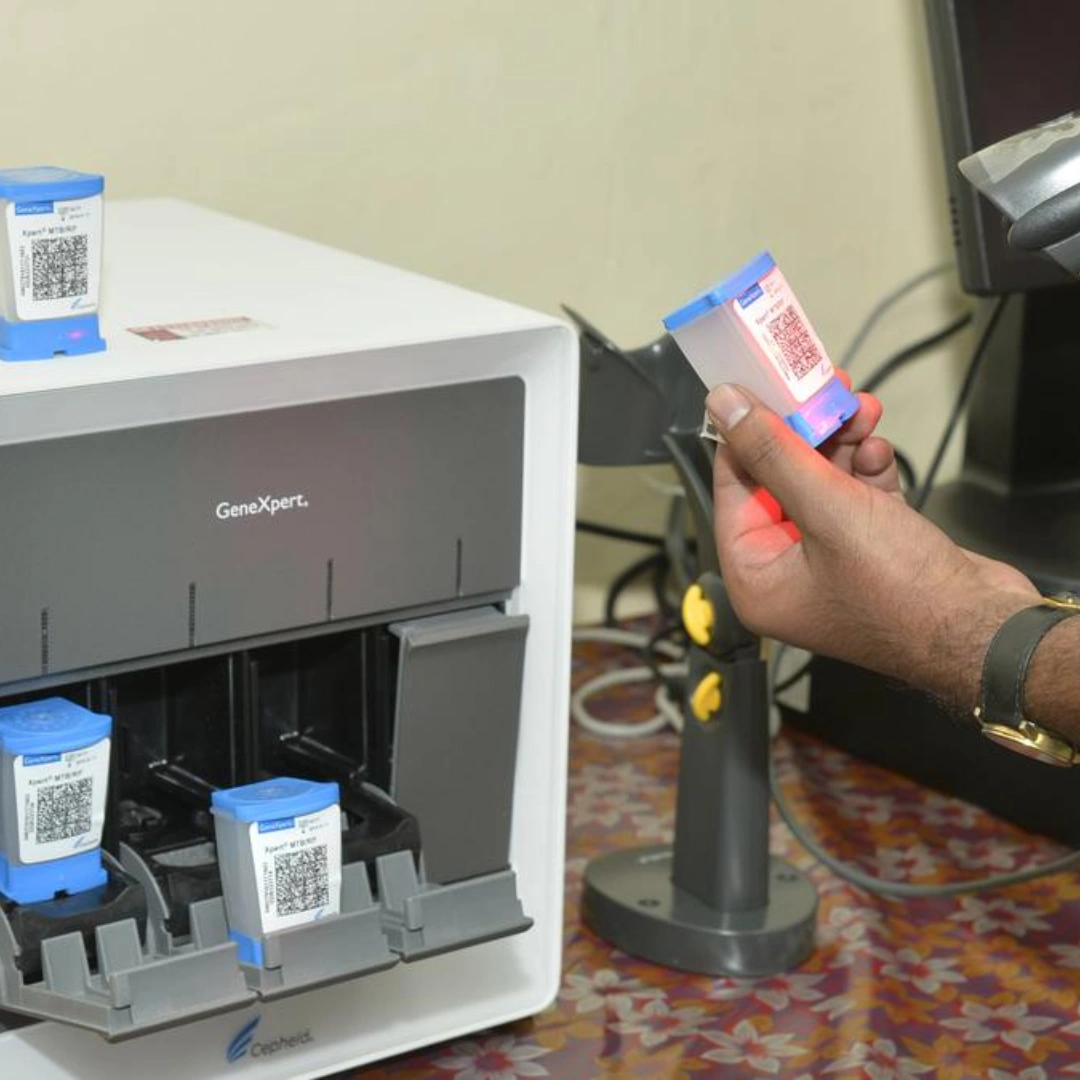
The Hepatitis C Antibodies (HCV Ab) Card Test is a rapid, qualitative diagnostic test used to screen for the presence of antibodies against the hepatitis C virus (HCV) in the blood. The appearance of HCV antibodies indicates prior exposure to the virus. However, the card test cannot distinguish between past, resolved, or current infection, and confirmatory testing (such as ELISA or HCV RNA PCR) is required.
Uses
This test is used to:
- Quickly screen individuals for exposure to hepatitis C virus.
- Identify potential HCV carriers in blood banks, healthcare settings, or community screenings.
- Support pre-operative screening, health check-ups, and occupational safety programs.
- Provide preliminary results where immediate decision-making is necessary, especially in resource-limited settings.
Symptoms That May Lead to the Test
Your doctor may recommend an HCV antibody test if you have risk factors such as history of blood transfusion before safe screening was introduced, injection drug use, unprotected sexual contact, hemodialysis, or occupational exposure (needle-stick injury). It may also be ordered if you have signs of chronic liver disease such as jaundice, fatigue, abdominal swelling, or elevated liver enzymes.
Abnormal Results
Positive Card Test: Suggests prior exposure to hepatitis C. Confirmation with a more specific test (ELISA or HCV RNA PCR) is required to determine current infection status.
Negative Card Test: Indicates no detectable HCV antibodies, suggesting no prior exposure. However, very recent infections may not yet be detectable (“window period”).
Risks
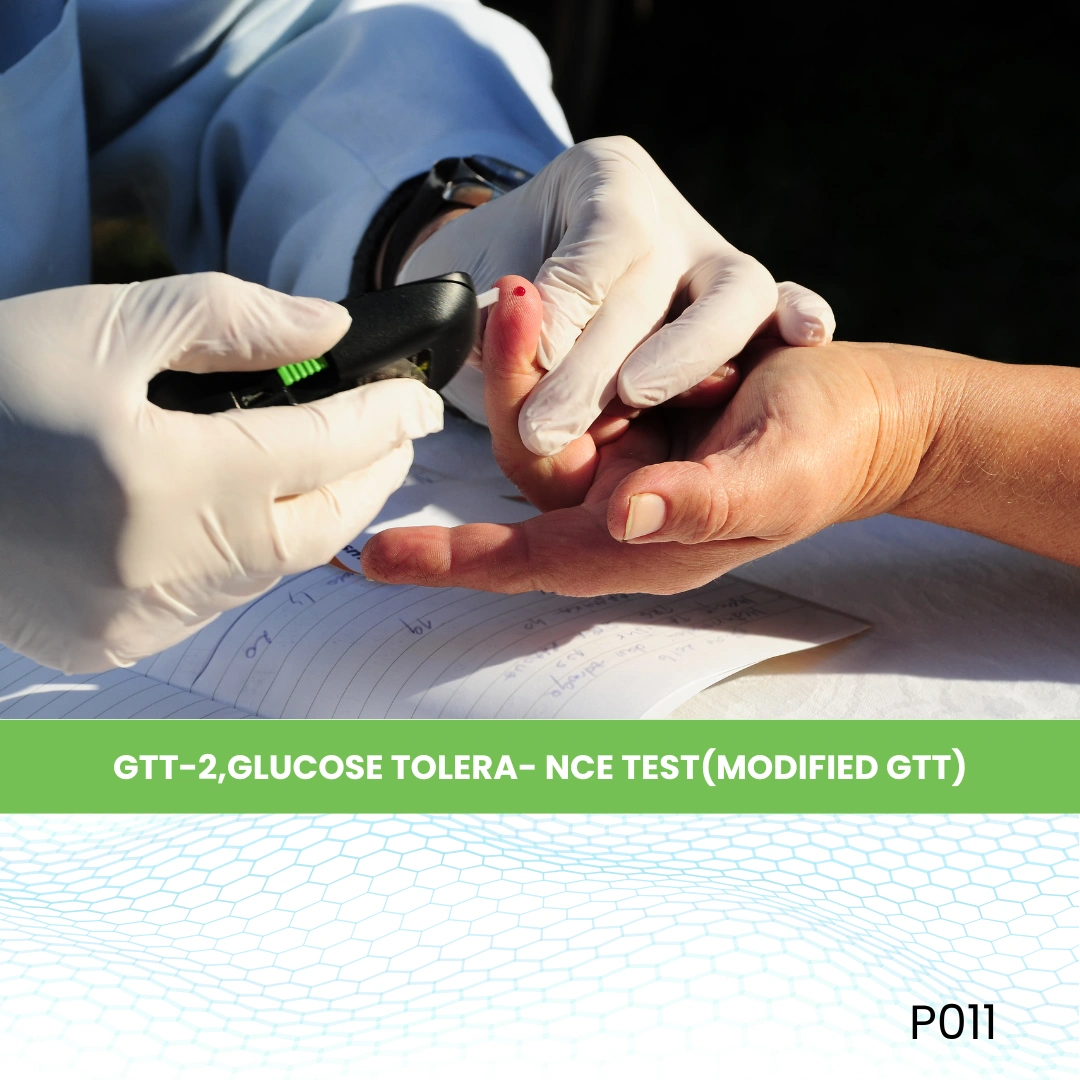
The test requires a small blood sample, usually via finger-prick or venipuncture. Risks are minimal and may include slight pain, bruising, or dizziness, which typically resolve quickly.


Reviews
There are no reviews yet.