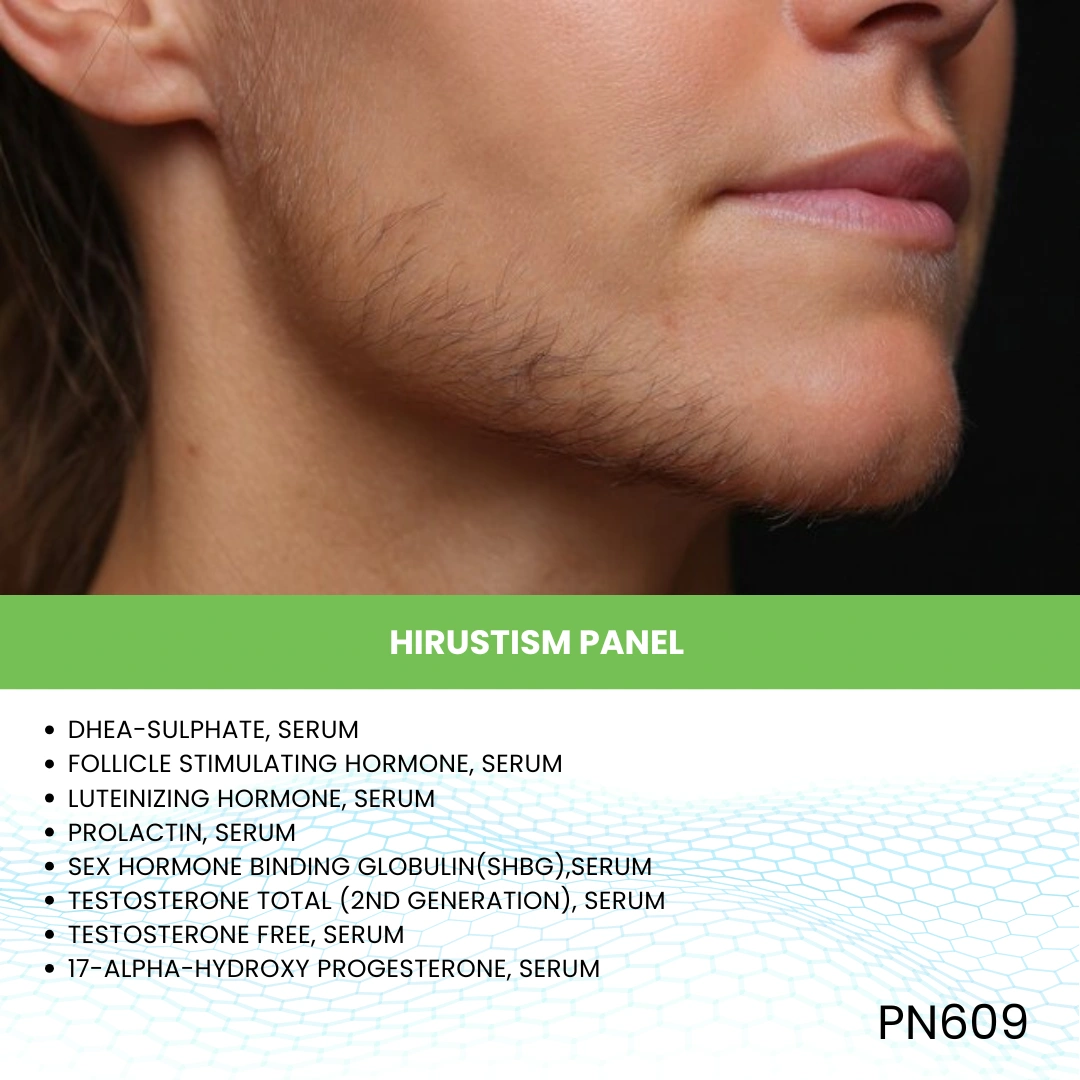
Hirsutism Panel
What it is
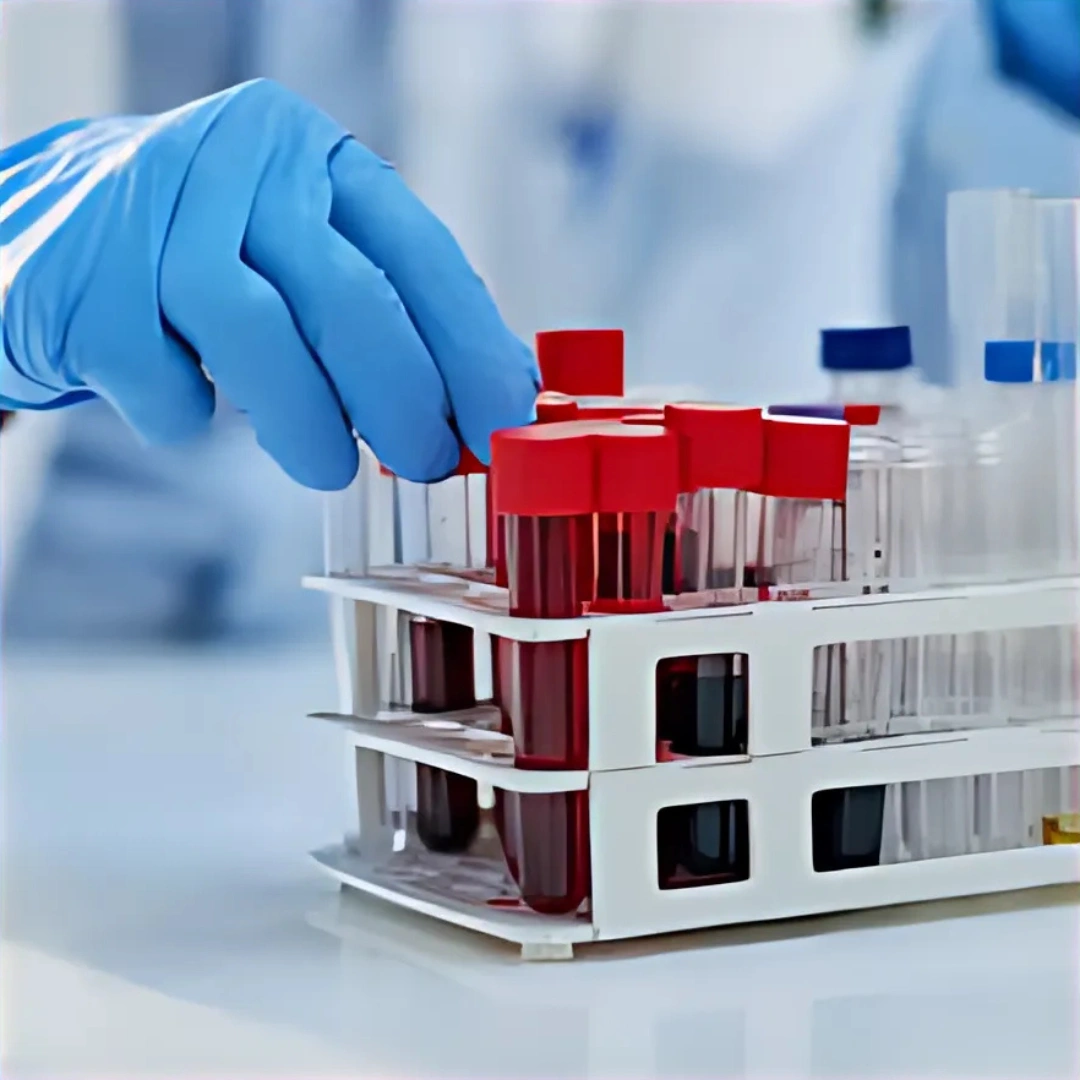
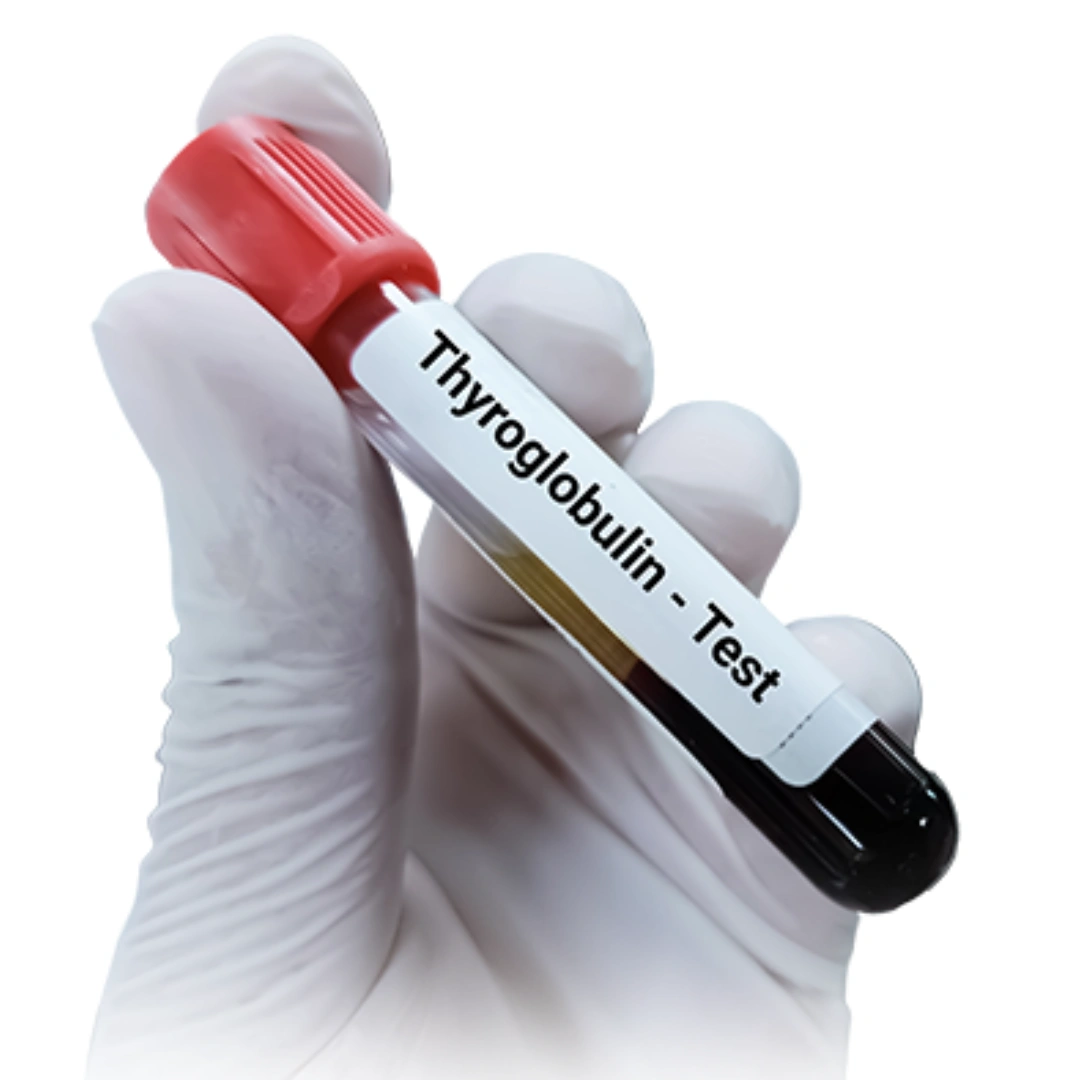
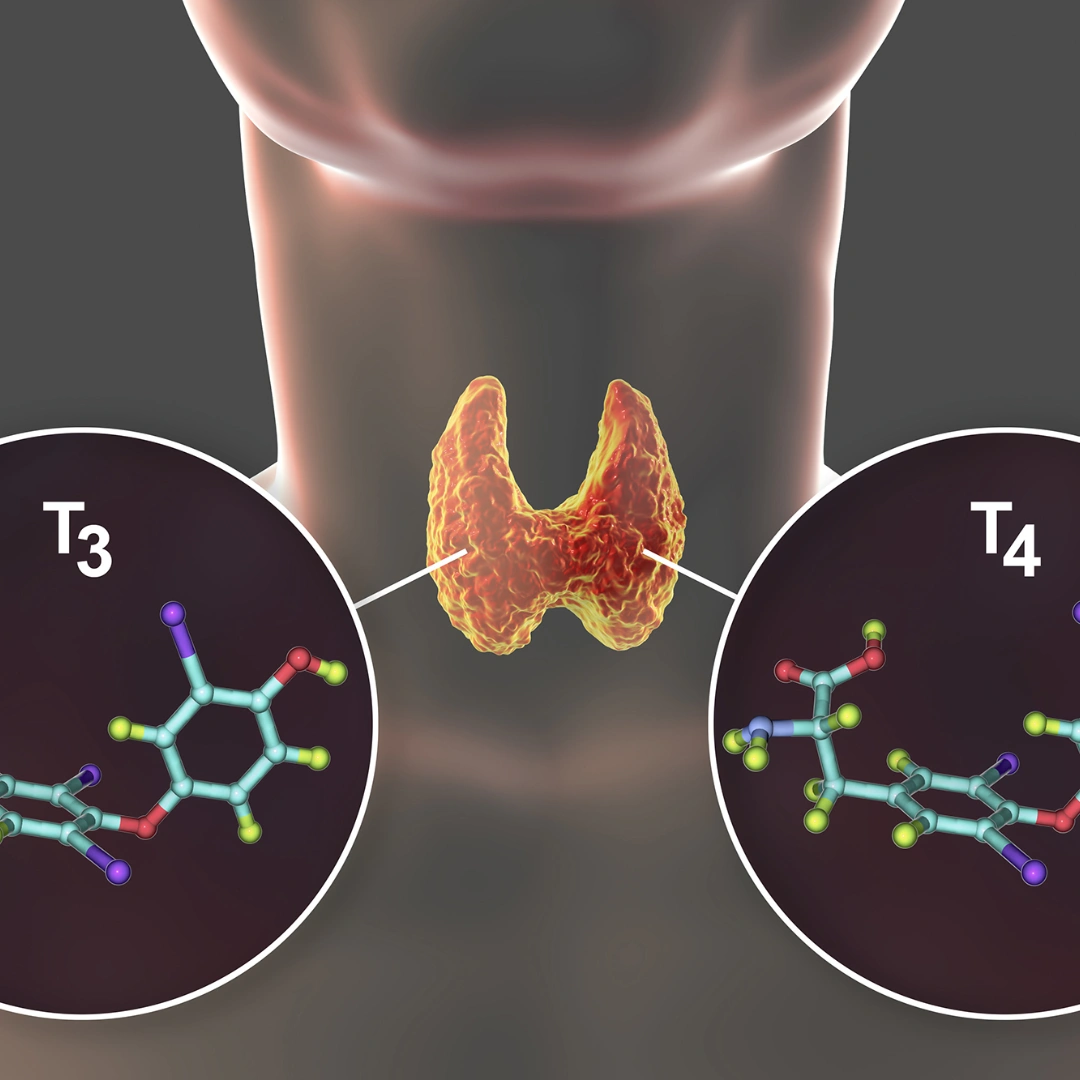
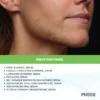
The Hirsutism Panel is a group of blood tests that help identify the underlying hormonal causes of excessive hair growth (hirsutism) in women. Hirsutism is often related to increased androgen (male hormone) activity. The panel usually includes tests such as testosterone, DHEA-S, LH, FSH, prolactin, and thyroid function tests. By assessing these hormone levels, doctors can determine if the condition is due to polycystic ovary syndrome (PCOS), adrenal disorders, or other endocrine imbalances.
Uses
This test panel is used to:
- Investigate the cause of abnormal or excessive facial and body hair growth in women.
- Detect hormonal imbalances, especially elevated androgens.
- Support the diagnosis of polycystic ovary syndrome (PCOS).
- Identify adrenal or ovarian disorders affecting hormone production.
- Guide treatment decisions for managing hirsutism and related symptoms.
Symptoms / Conditions That May Lead to the Test
Doctors may recommend this test panel if you have:
- Excessive hair growth on the face, chest, back, or abdomen.
- Irregular or absent menstrual cycles.
- Acne, oily skin, or hair loss from the scalp.
- Deepening of the voice or other signs of increased androgens.
- Difficulty conceiving (possible link to PCOS).
- Family history of endocrine disorders or PCOS.
Abnormal Results
- High Testosterone or DHEA-S: Suggests PCOS, adrenal tumors, or ovarian androgen-producing conditions.
- Abnormal LH/FSH ratio: Common in PCOS, indicating disrupted ovarian function.
- High Prolactin: May indicate pituitary gland disorders.
- Abnormal Thyroid Hormones: Can contribute to menstrual irregularities and hair changes.
Interpretation of results should always be done by a doctor, in combination with physical examination and imaging studies if needed.
Risks
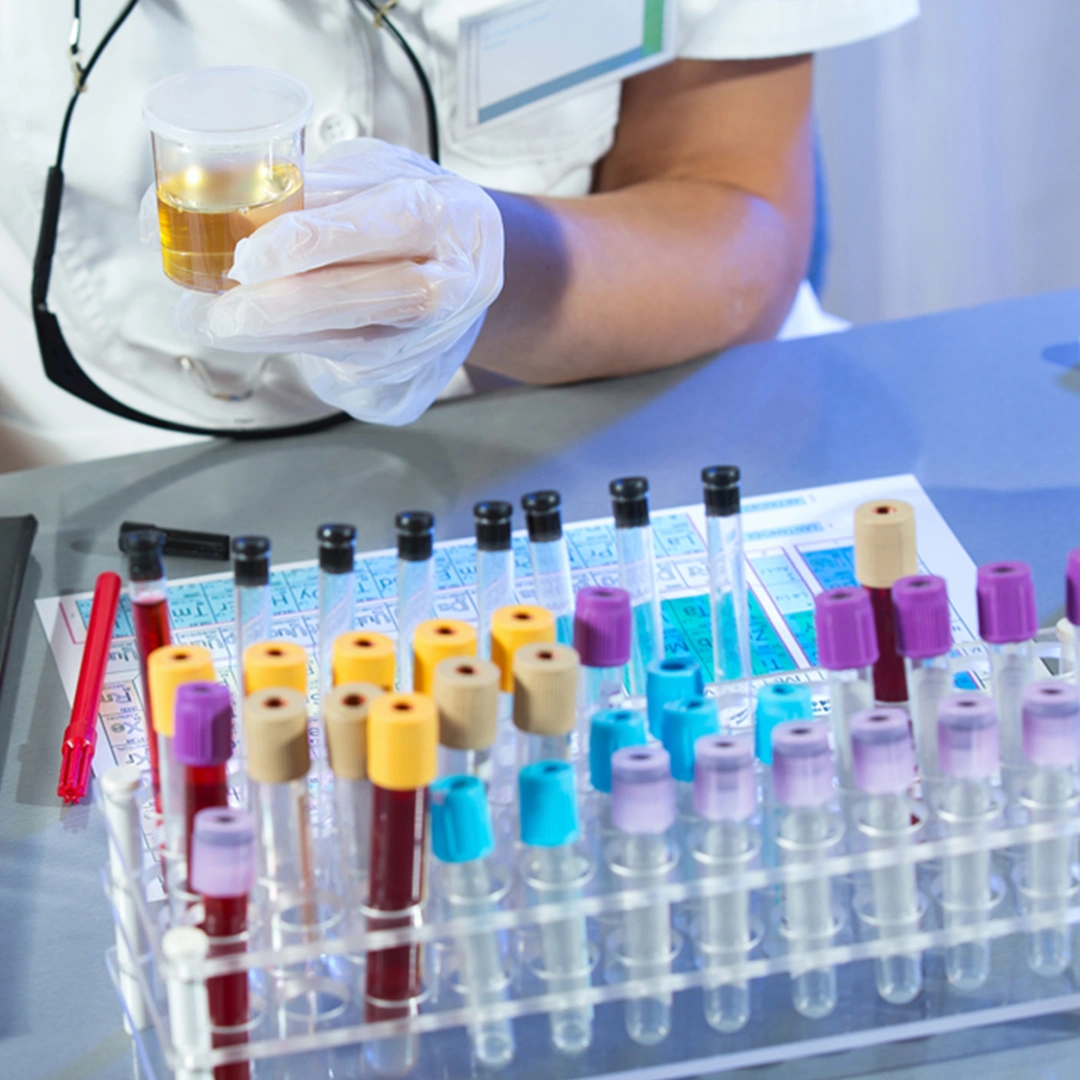
The test requires a blood sample and carries minimal risks, including:
- Mild pain, bruising, or discomfort at the puncture site.
- Rare chance of infection or dizziness after blood draw.


Reviews
There are no reviews yet.