Histopathology, Small Specimen
What it is
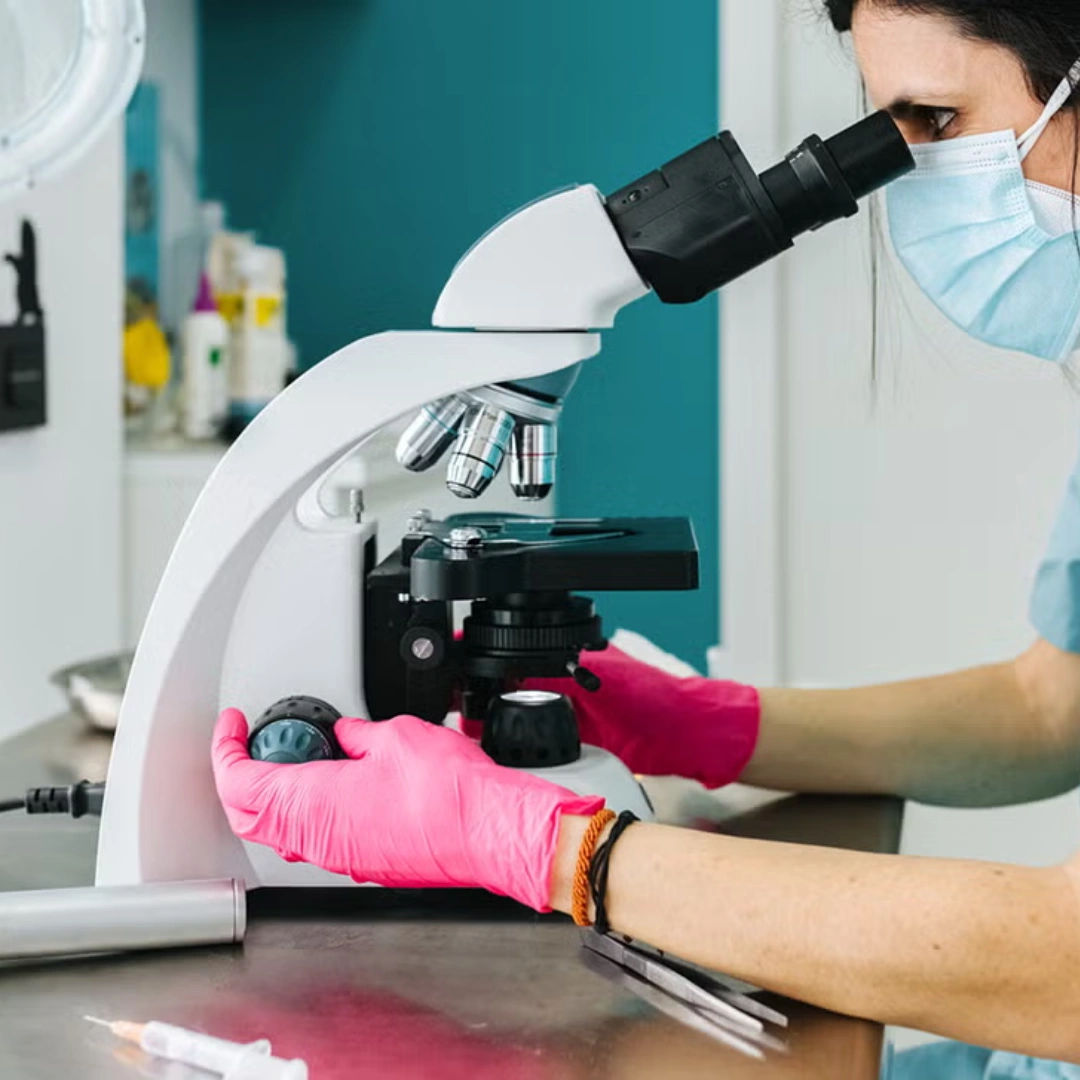
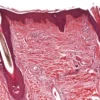
The Histopathology, Small Specimen test involves microscopic examination of a small piece of tissue removed during a minor procedure or biopsy. These specimens are usually small punch biopsies, shave biopsies, curettings, or tiny excised lesions. A pathologist processes the sample, prepares thin tissue sections, and examines them under a microscope to detect cellular abnormalities, infections, inflammation, or early signs of cancer.
Uses
This test is used to:
- Diagnose skin lesions, moles, or small growths.
- Detect early or small cancers and precancerous changes.
- Identify inflammatory, allergic, or autoimmune skin disorders.
- Confirm the cause of chronic rashes, ulcers, or unexplained skin changes.
- Guide treatment by providing a definitive tissue-based diagnosis.
Symptoms / Conditions That May Lead to the Test
Doctors may recommend this test if you have:
- A suspicious mole, wart, or small lump.
- Persistent or unexplained rash or skin lesion.
- Non-healing sores or ulcers.
- Localized inflammatory or autoimmune skin conditions.
- Small tissue growths removed during a minor surgical procedure.
Abnormal Results
- Benign Findings: Non-cancerous conditions such as nevi (moles), fibromas, cysts, or dermatitis.
- Malignant Findings: Early-stage cancers such as basal cell carcinoma, squamous cell carcinoma, or melanoma in situ.
- Inflammatory or Infectious Findings: May reveal chronic dermatitis, fungal infections, or autoimmune-related damage.
The pathologist’s report provides critical details for diagnosis, treatment, and monitoring.
Risks
The risks are related to the biopsy or excision procedure itself, not the histopathology examination. These may include:
- Mild pain, bleeding, or bruising at the biopsy site.
- Small scar formation.
- Rare risk of infection or delayed wound healing.


Reviews
There are no reviews yet.