HIV Detection (Qualitative) Test
What it is
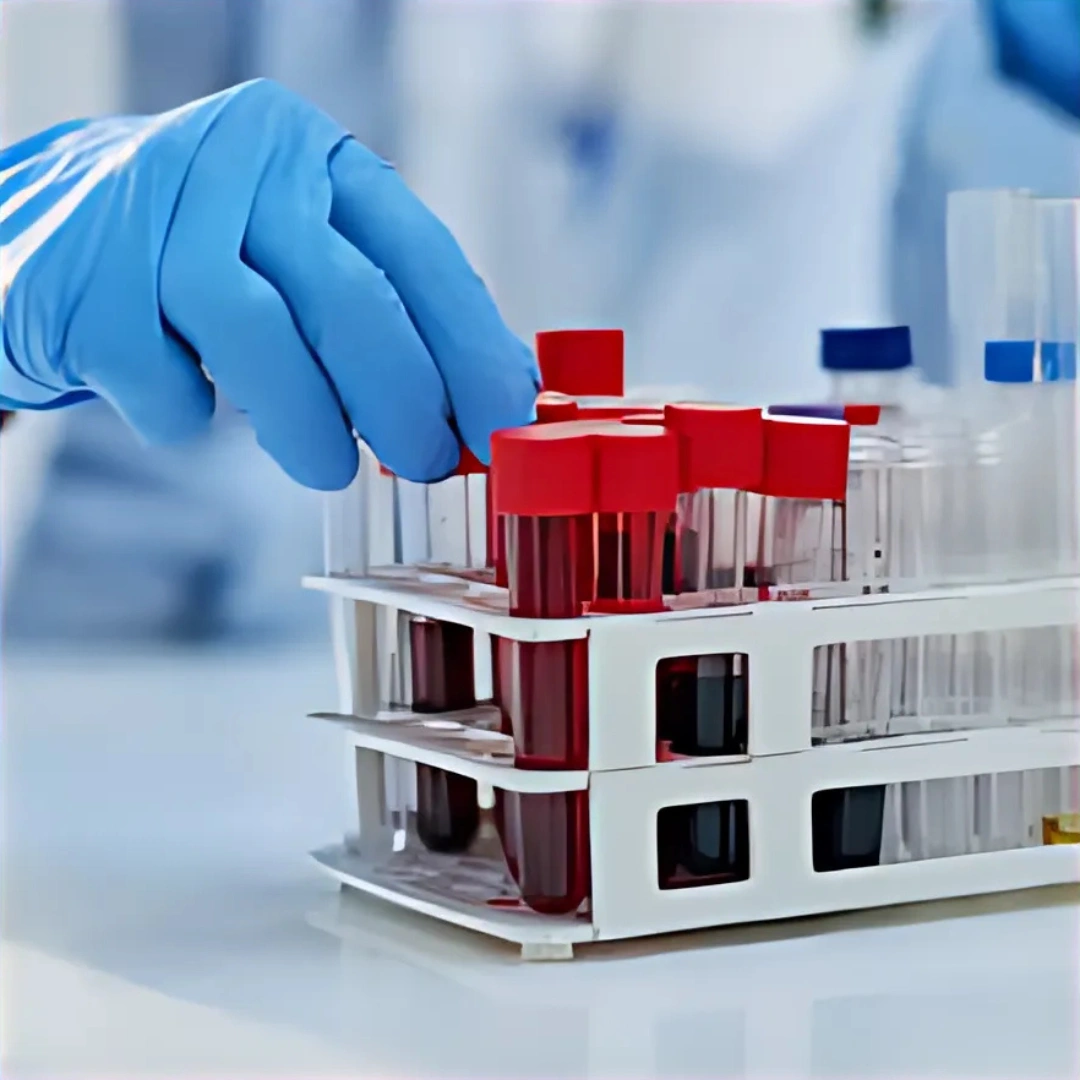
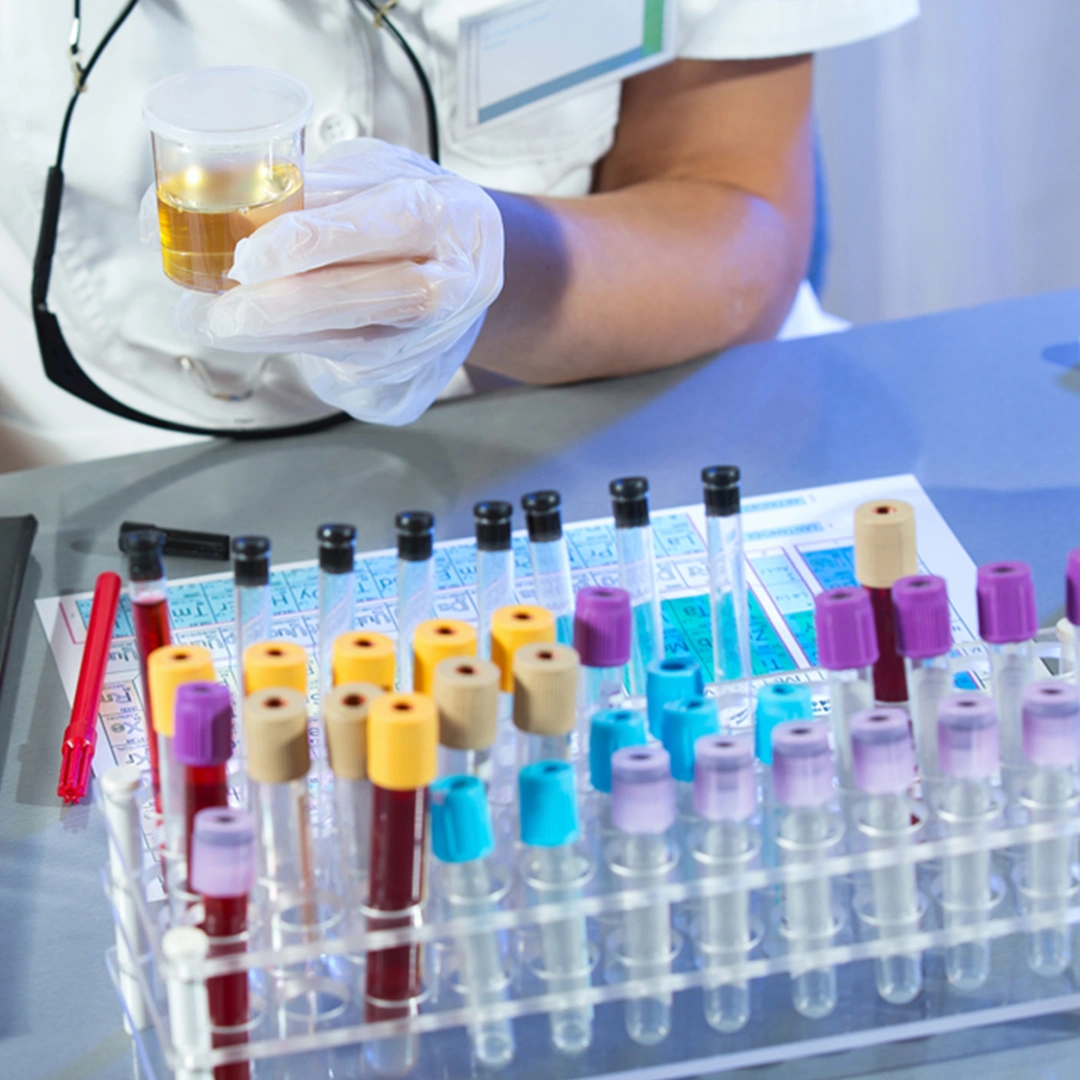
The HIV Detection (Qualitative) Test is a blood-based diagnostic test that checks for the presence of Human Immunodeficiency Virus (HIV) in the body. Unlike quantitative tests, which measure the amount of virus, this test only provides a “yes” or “no” result—indicating whether HIV infection is present. It works by detecting HIV antibodies, antigens, or genetic material (depending on the method used) and is primarily used for screening and confirmation purposes.
Uses
This test is used to:
- Screen individuals for HIV infection.
- Confirm HIV status in people with suspected exposure.
- Support diagnosis in patients with HIV-related symptoms.
- Screen pregnant women to prevent mother-to-child transmission.
- Ensure safe blood donation and transfusion practices.
Symptoms / Conditions That May Lead to the Test
Doctors may recommend this test if you have:
- Unprotected sex or multiple sexual partners.
- Exposure to contaminated blood or needles.
- Symptoms such as persistent fever, night sweats, unexplained weight loss, or swollen lymph nodes.
- A sexual partner diagnosed with HIV.
- Pregnancy (as part of routine antenatal screening).
Abnormal Results
- Positive Result: Indicates the presence of HIV infection. Further confirmatory testing (e.g., Western blot, PCR) is recommended to rule out false positives.
- Negative Result: Suggests no HIV infection. However, if exposure was recent, the virus may not yet be detectable (window period). Repeat testing after 2–3 months may be required.
Results must always be interpreted by a healthcare professional in the context of exposure risk and clinical findings.
Risks
The test requires a blood sample and carries minimal risks, including:
- Mild pain, bruising, or discomfort at the puncture site.
- Rare chance of infection or dizziness after blood draw.


Reviews
There are no reviews yet.