HIV Western Blot Assay, Serum
What it is
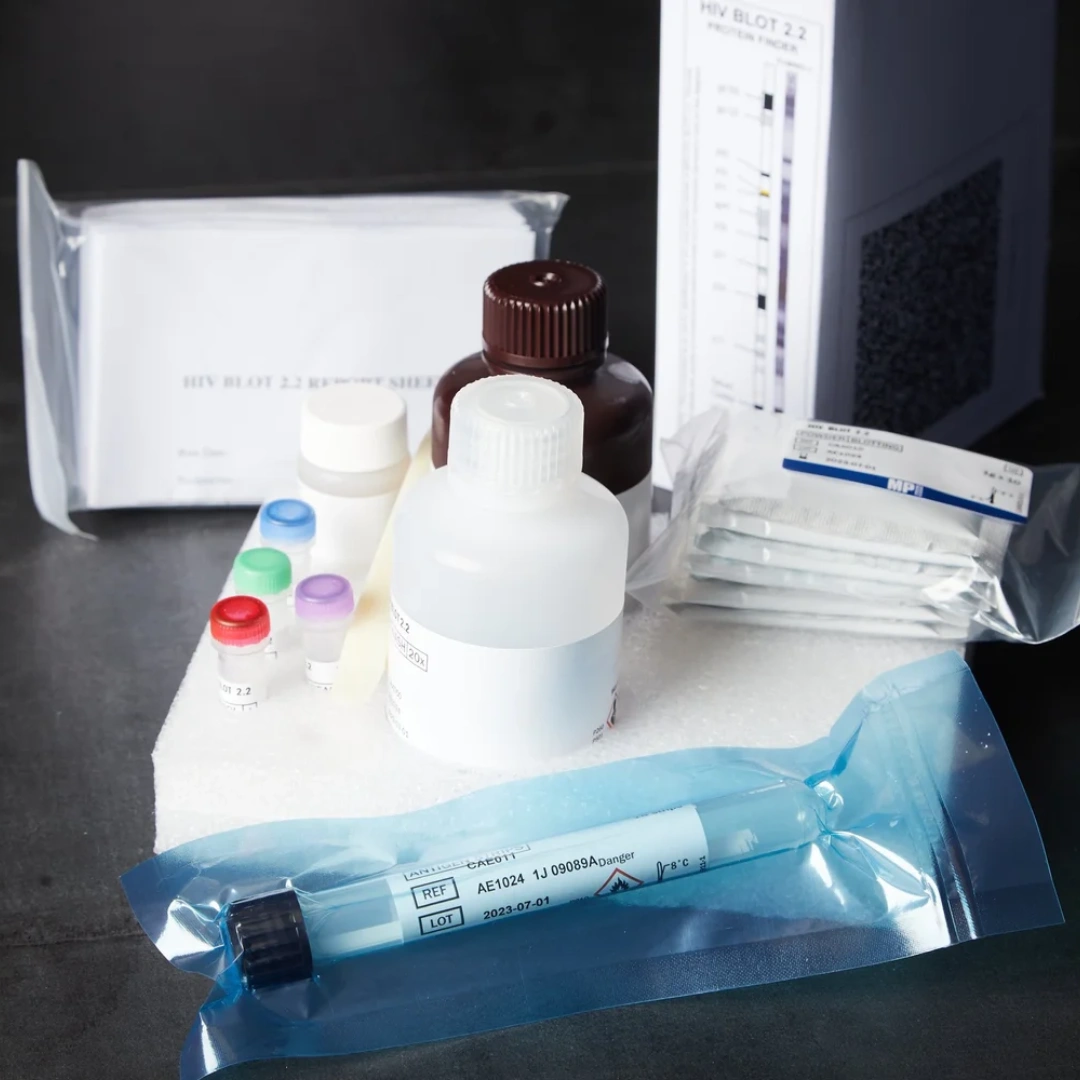
The HIV Western Blot Assay is a confirmatory blood test used to detect antibodies against specific proteins of Human Immunodeficiency Virus (HIV-1 and HIV-2). Unlike rapid screening tests (such as card tests or ELISA), the Western Blot provides detailed information by identifying antibodies to multiple HIV proteins. It is highly specific and traditionally regarded as the “gold standard” for confirming HIV infection after an initial positive screening result.
Uses
This test is used to:
- Confirm HIV infection following a reactive screening test (e.g., ELISA, Tridot).
- Differentiate between true positive and false positive screening results.
- Identify antibodies to both HIV-1 and HIV-2 viral proteins.
- Support diagnosis in individuals with indeterminate screening results.
Symptoms / Conditions That May Lead to the Test
Doctors may recommend this test if you have:
- A reactive (positive) HIV screening test result.
- High-risk exposure such as unprotected sex, multiple partners, or sharing needles.
- Symptoms suggestive of HIV infection, including persistent fever, weight loss, fatigue, or swollen lymph nodes.
- A partner who has tested positive for HIV.
Abnormal Results
- Positive Result: Indicates confirmed HIV infection by detecting antibodies to multiple HIV-specific proteins.
- Negative Result: Suggests no HIV infection, though repeat testing may be required if exposure was recent (due to the window period).
- Indeterminate Result: Means some, but not all, HIV-specific antibodies are detected. This may occur in early infection, cross-reactivity with other conditions, or technical issues. Repeat testing or molecular tests (PCR for HIV RNA) may be needed.
The Western Blot test is confirmatory but has now been replaced in many regions by more advanced HIV confirmatory assays (e.g., immunoblot, PCR-based methods).
Risks
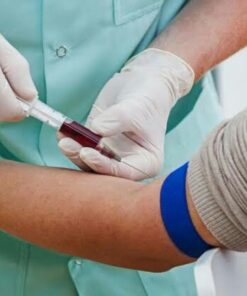
The test requires a blood sample and carries minimal risks, including:
- Mild pain, bruising, or discomfort at the puncture site.
- Rare chance of infection or dizziness after blood draw.


Reviews
There are no reviews yet.