HLA-B27, Whole Blood
What it is
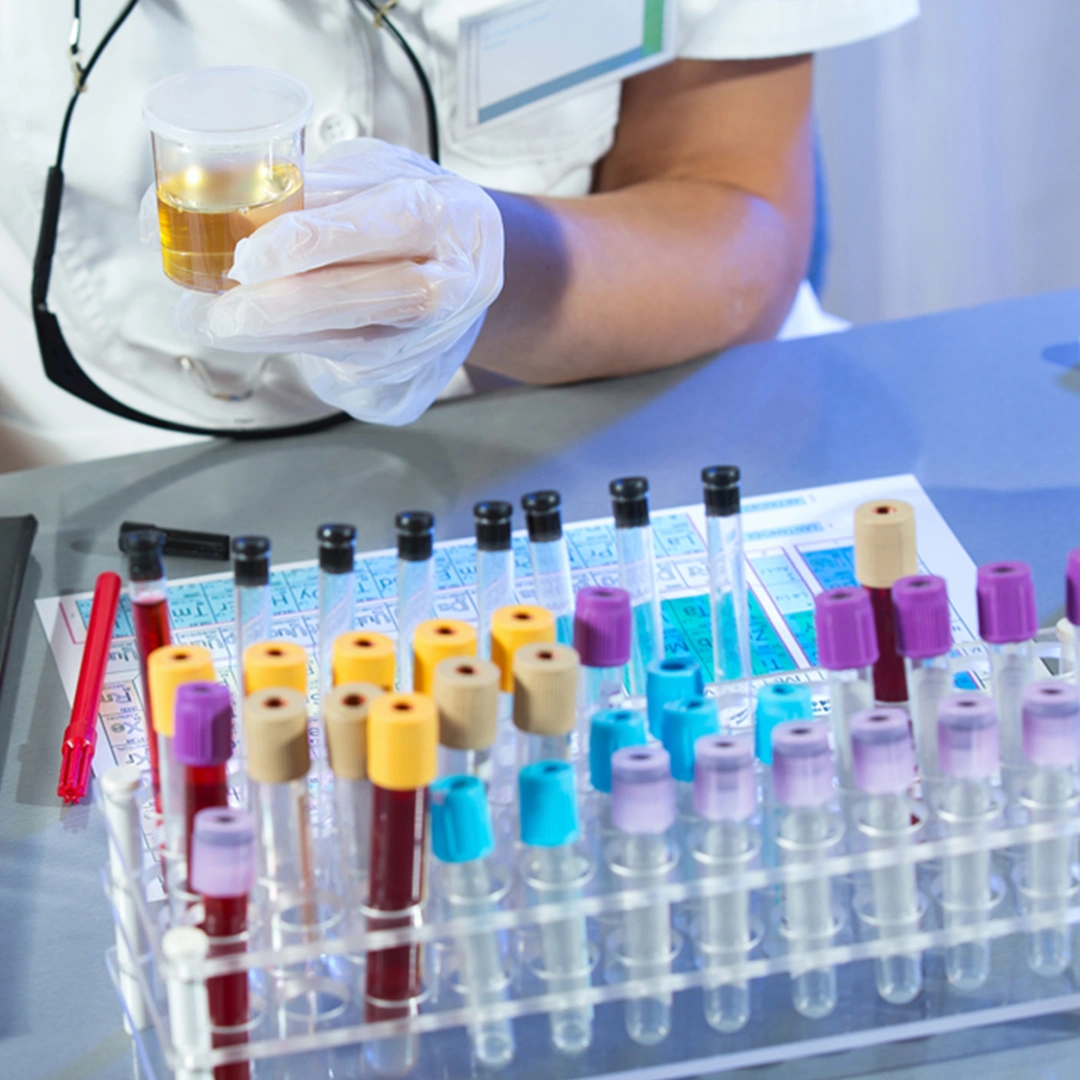
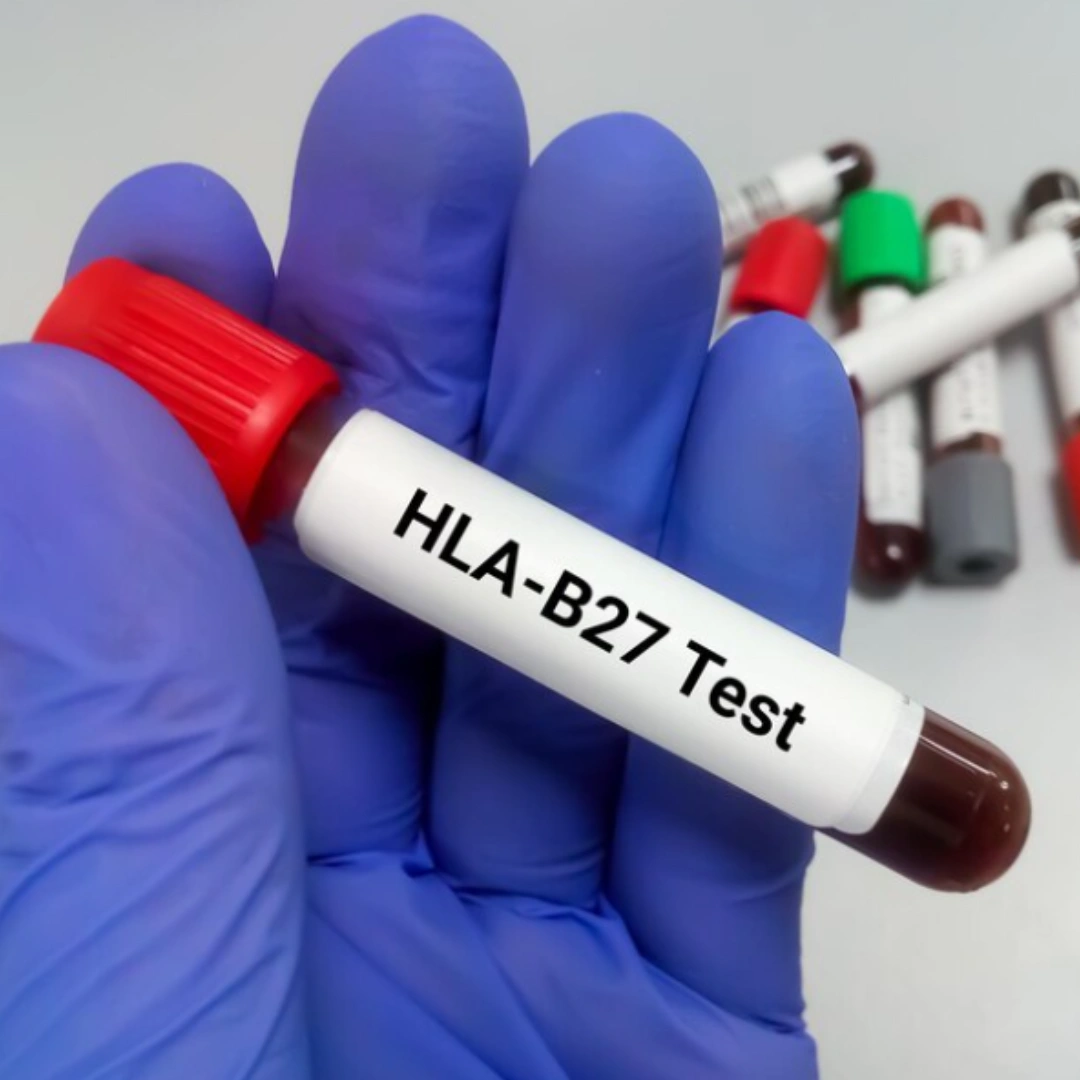
The HLA-B27 test is a genetic blood test that looks for the presence of the HLA-B27 protein (human leukocyte antigen B27) on the surface of white blood cells. HLA-B27 is part of the immune system and helps the body recognize foreign substances. However, its presence is strongly associated with certain autoimmune and inflammatory conditions, particularly ankylosing spondylitis and other spondyloarthropathies. The test is performed on whole blood using molecular or serological techniques.
Uses
This test is used to:
- Support the diagnosis of autoimmune and inflammatory disorders such as ankylosing spondylitis, reactive arthritis, psoriatic arthritis, and inflammatory bowel disease–related arthritis.
- Help identify genetic predisposition to certain rheumatologic conditions.
- Assist in differentiating causes of chronic back pain or joint inflammation.
- Guide prognosis and disease monitoring in patients with suspected spondyloarthropathies.
Symptoms / Conditions That May Lead to the Test
Doctors may recommend this test if you have:
- Chronic lower back pain and stiffness, especially improving with activity but not rest.
- Joint pain, swelling, or inflammation without clear cause.
- Family history of ankylosing spondylitis or other autoimmune arthritis.
- Eye inflammation (uveitis/iritis) recurring with joint symptoms.
- Skin or gastrointestinal symptoms linked with arthritis.
Abnormal Results
- Positive Result: Presence of HLA-B27. This increases the likelihood of certain autoimmune diseases, especially ankylosing spondylitis. However, many people with HLA-B27 never develop disease.
- Negative Result: Absence of HLA-B27 reduces the likelihood of HLA-B27–associated disorders but does not completely rule them out.
The test alone cannot diagnose a condition. Results are interpreted along with symptoms, imaging (X-ray, MRI), and other laboratory tests.
Risks
The test requires a blood sample and carries minimal risks, including:
- Mild pain, bruising, or discomfort at the puncture site.
- Rare risk of infection or dizziness after blood draw.


Reviews
There are no reviews yet.