IgG4 Subclasses
What it is
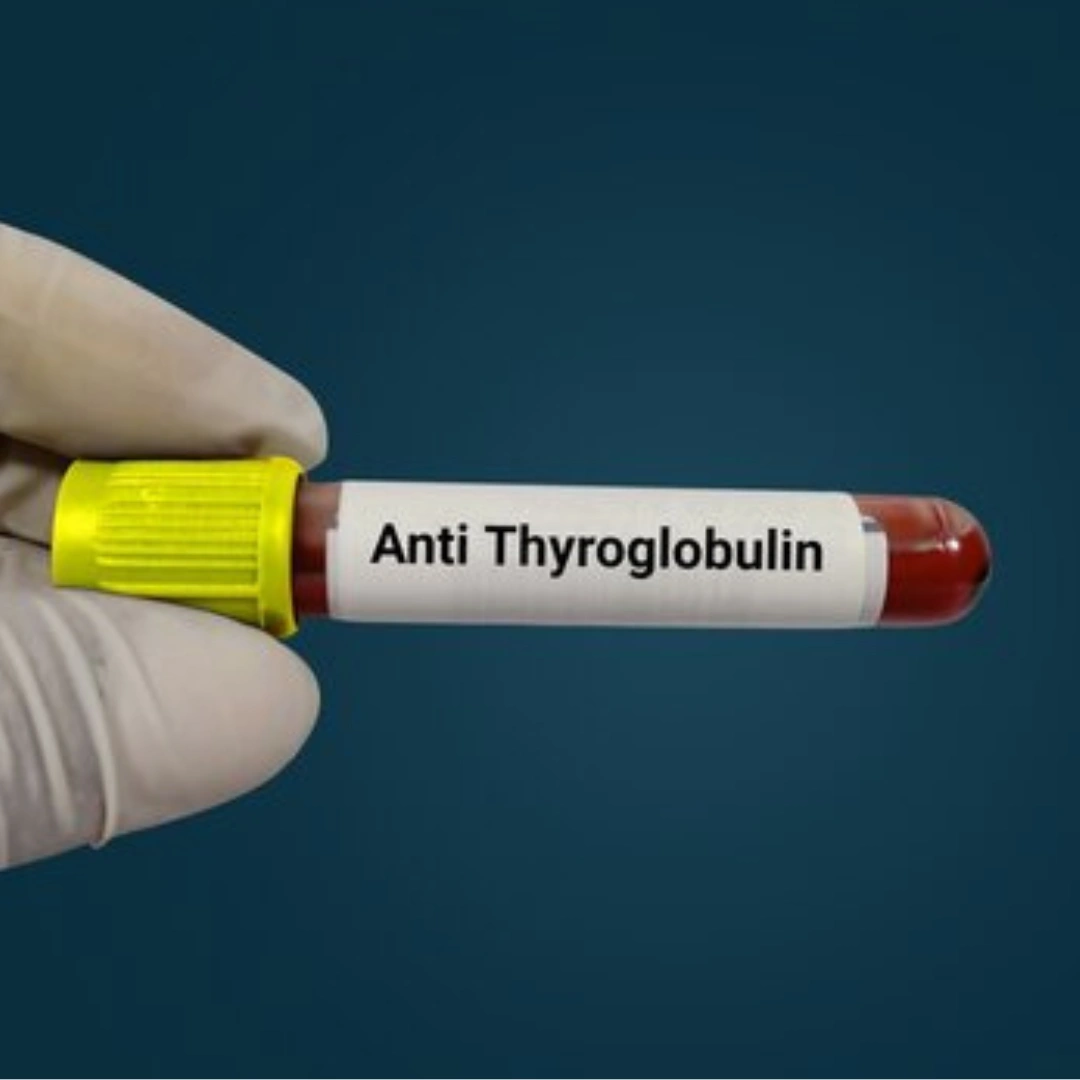
The IgG4 Subclasses test measures the level of IgG4, one of the four subclasses of immunoglobulin G (IgG), in the blood. IgG is the most abundant type of antibody in the body and plays a critical role in immune defense. IgG4 is typically present at low levels, but abnormal levels may be associated with immune-related conditions such as IgG4-related disease (IgG4-RD), autoimmune disorders, chronic inflammation, and certain allergic conditions.
Uses
This test is used to:
- Support diagnosis of IgG4-related disease (IgG4-RD), which can affect multiple organs (pancreas, salivary glands, kidneys, etc.).
- Differentiate IgG4-mediated autoimmune conditions from other inflammatory disorders.
- Assist in evaluating patients with unexplained organ swelling, fibrosis, or chronic inflammation.
- Monitor response to treatment in patients with IgG4-related conditions.
- Investigate abnormal immune responses in allergy and immunodeficiency cases.
Symptoms / Conditions That May Lead to the Test
Doctors may recommend this test if you have:
- Unexplained organ enlargement or fibrosis (e.g., pancreas, salivary glands, lymph nodes).
- Chronic pancreatitis-like symptoms, abdominal pain, or jaundice.
- Swelling of lacrimal or salivary glands (similar to Sjögren’s syndrome).
- Unexplained kidney or lung involvement with fibrosis.
- Suspicion of IgG4-related disease or autoimmune disorder.
Abnormal Results
- Elevated IgG4 Levels: Suggest possible IgG4-related disease, chronic autoimmune inflammation, or allergic responses. However, elevated IgG4 alone is not diagnostic and requires correlation with clinical findings and imaging.
- Normal or Low IgG4 Levels: May suggest absence of IgG4-related disease, though normal levels do not completely rule it out.
Interpretation should always be done along with other tests (e.g., biopsy, imaging, and full immunoglobulin subclass testing).
Risks
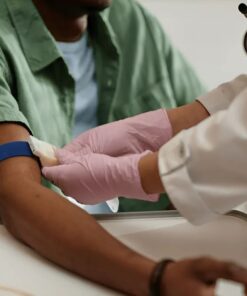
The test requires a blood sample and carries minimal risks, including:
- Mild pain, bruising, or discomfort at the puncture site.
- Rare chance of infection or dizziness after blood draw.


Reviews
There are no reviews yet.