Imatinib Resistance BCR-ABL1 Mutation Analysis
What it is
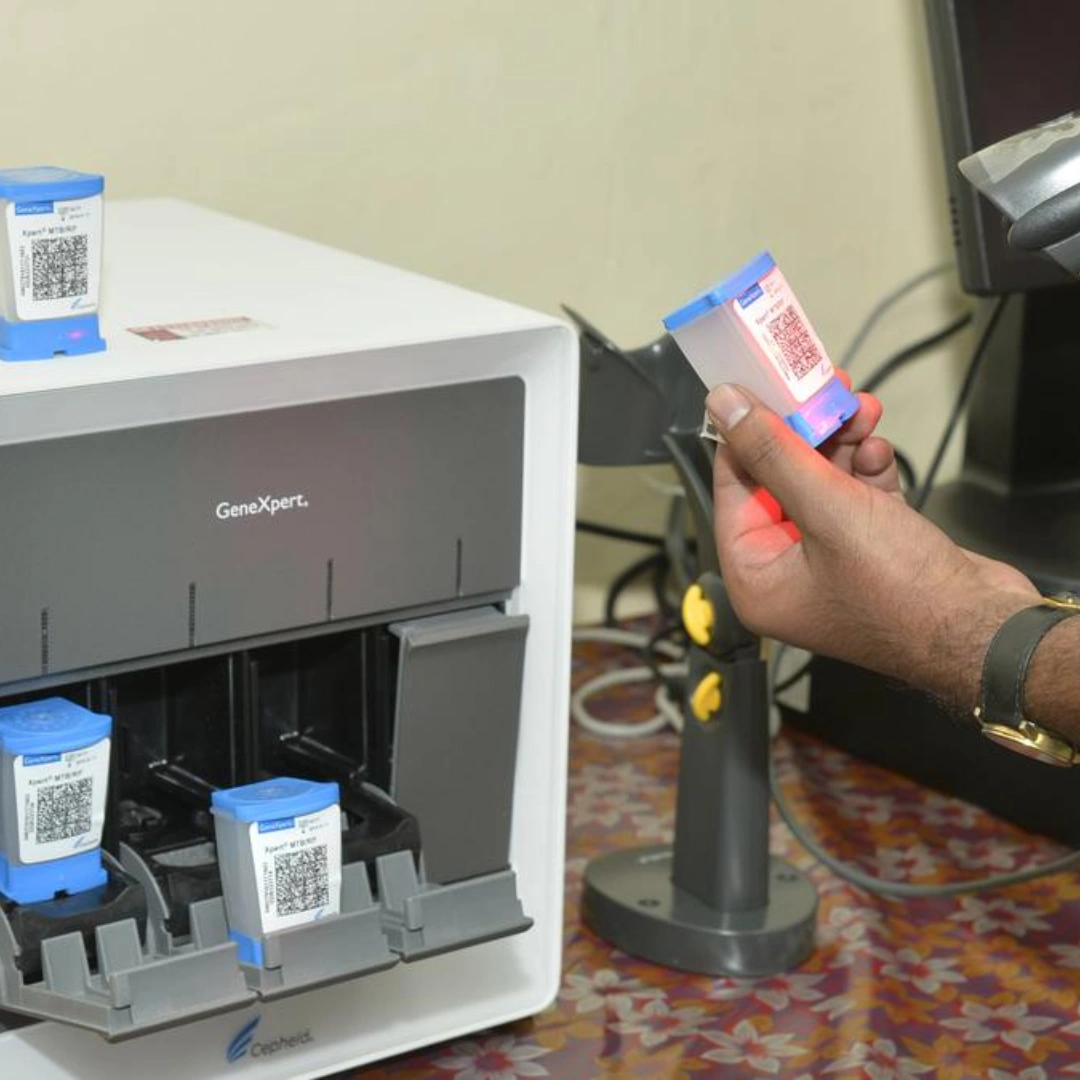
The Imatinib Resistance BCR-ABL1 Mutation Analysis is a molecular genetic test that detects mutations in the BCR-ABL1 gene, which is formed by the Philadelphia chromosome translocation (t(9;22)). This gene produces an abnormal tyrosine kinase protein responsible for chronic myeloid leukemia (CML) and some cases of acute lymphoblastic leukemia (ALL). While imatinib (a tyrosine kinase inhibitor, TKI) is the standard treatment, mutations in the BCR-ABL1 gene may cause resistance. This test identifies such mutations to guide alternative targeted therapies.
Uses
This test is used to:
- Detect mutations in the BCR-ABL1 gene that lead to imatinib resistance.
- Guide treatment decisions in patients with CML or Ph-positive ALL who show poor response or relapse on imatinib therapy.
- Identify candidates for second- or third-generation TKIs (e.g., dasatinib, nilotinib, ponatinib).
- Monitor disease progression and evaluate treatment failure.
Symptoms / Conditions That May Lead to the Test
Doctors may recommend this test if you have:
- Chronic Myeloid Leukemia (CML) or Philadelphia chromosome–positive Acute Lymphoblastic Leukemia (Ph+ ALL).
- Loss of hematologic, cytogenetic, or molecular response while on imatinib therapy.
- Disease relapse after initial response to imatinib.
- Unexplained increase in BCR-ABL1 transcript levels on routine monitoring.
Abnormal Results
- Mutation Detected: Indicates the presence of imatinib-resistant mutations in the BCR-ABL1 gene (e.g., T315I, E255K, Y253H, M351T). These mutations can reduce or block imatinib’s effectiveness and may require switching to other TKIs.
- No Mutation Detected: Suggests no detectable resistance-related mutation, but disease resistance may still occur due to other mechanisms.
Results help oncologists tailor treatment strategies, often switching to alternative TKIs or considering stem cell transplantation if needed.
Risks
The test requires a blood or bone marrow sample and carries minimal risks, including:
- Mild pain, bruising, or discomfort at the puncture site.
- Rare risk of infection or dizziness after sample collection.
- Bone marrow aspiration (if required) may cause temporary soreness at the site.


Reviews
There are no reviews yet.