Immunoglobulin M (IgM), Serum
What it is
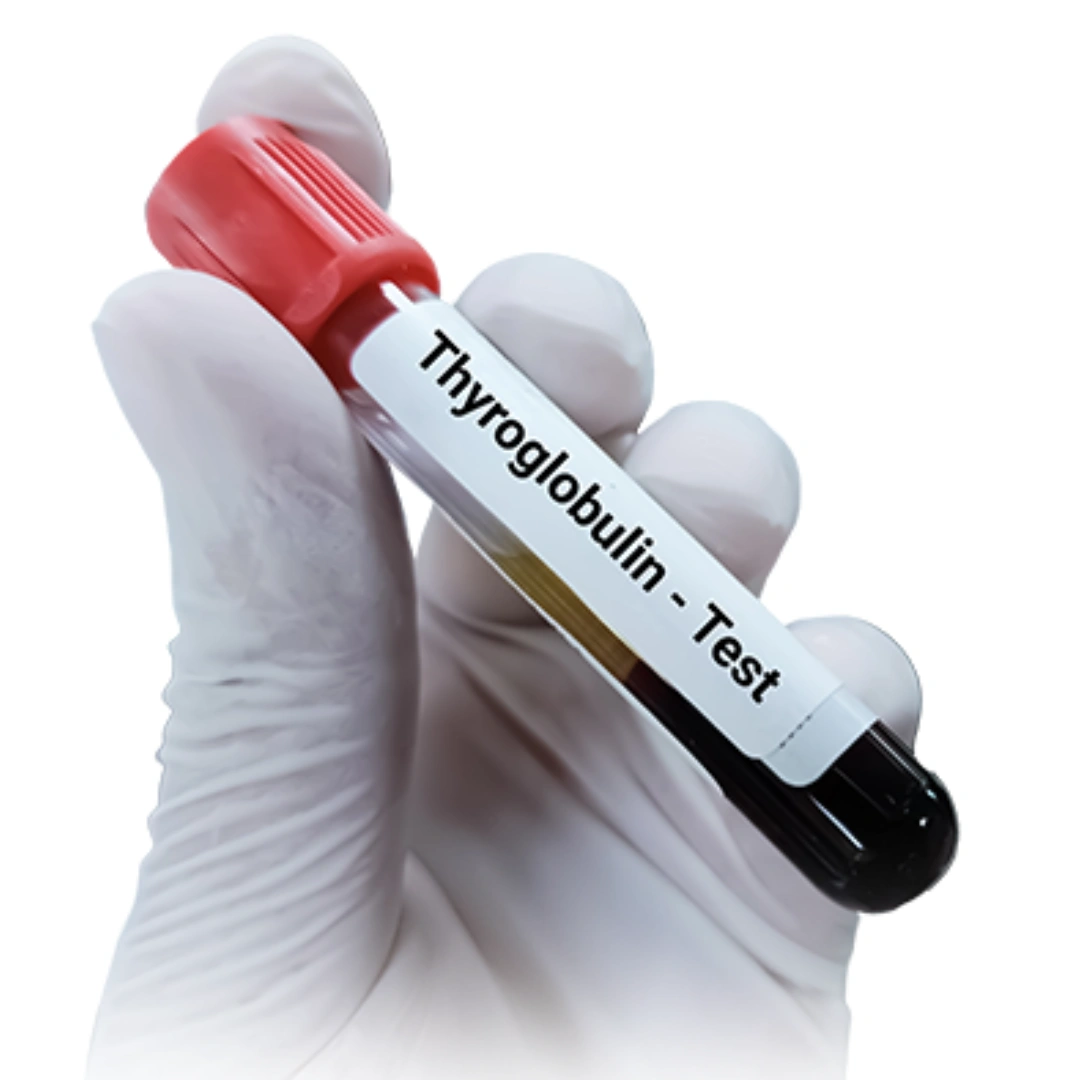
The Immunoglobulin M (IgM), Serum test measures the level of IgM antibodies in the blood. IgM is the first antibody produced by the immune system in response to an infection. It plays a critical role in the body’s early defense against bacteria, viruses, and other pathogens. Abnormal IgM levels may suggest recent infection, immune system disorders, autoimmune diseases, or certain blood cancers.
Uses
This test is used to:
- Evaluate immune system function and detect immunodeficiency.
- Identify recent or acute infections, as IgM rises early during infection.
- Support diagnosis of autoimmune diseases or chronic inflammatory conditions.
- Help detect monoclonal gammopathies such as Waldenström’s macroglobulinemia or multiple myeloma.
- Monitor patients with immune disorders or hematologic malignancies.
Symptoms / Conditions That May Lead to the Test
Doctors may recommend this test if you have:
- Frequent or severe infections (respiratory, gastrointestinal, or systemic).
- Signs of acute viral or bacterial illness.
- Chronic inflammation or unexplained autoimmune symptoms.
- Suspicion of blood cancers such as lymphoma or macroglobulinemia.
- Abnormal results in other immunoglobulin or protein tests.
Abnormal Results
- Low IgM Levels: May indicate primary or secondary immunodeficiency, protein loss (kidney or gut), or impaired antibody production.
- High IgM Levels: Can occur in recent infections, chronic infections, autoimmune diseases (e.g., lupus, rheumatoid arthritis), liver disease, or Waldenström’s macroglobulinemia.
- Normal IgM Levels: Suggest adequate immune defense, though other immunoglobulin classes may still need evaluation.
Results are typically interpreted alongside IgG, IgA, and sometimes IgE levels for a complete picture of immune function.
Risks
The test requires a blood sample and carries minimal risks, including:
- Mild pain, bruising, or discomfort at the puncture site.
- Rare risk of infection or dizziness after blood draw.


Reviews
There are no reviews yet.