Infertility – Female Profile
What it is
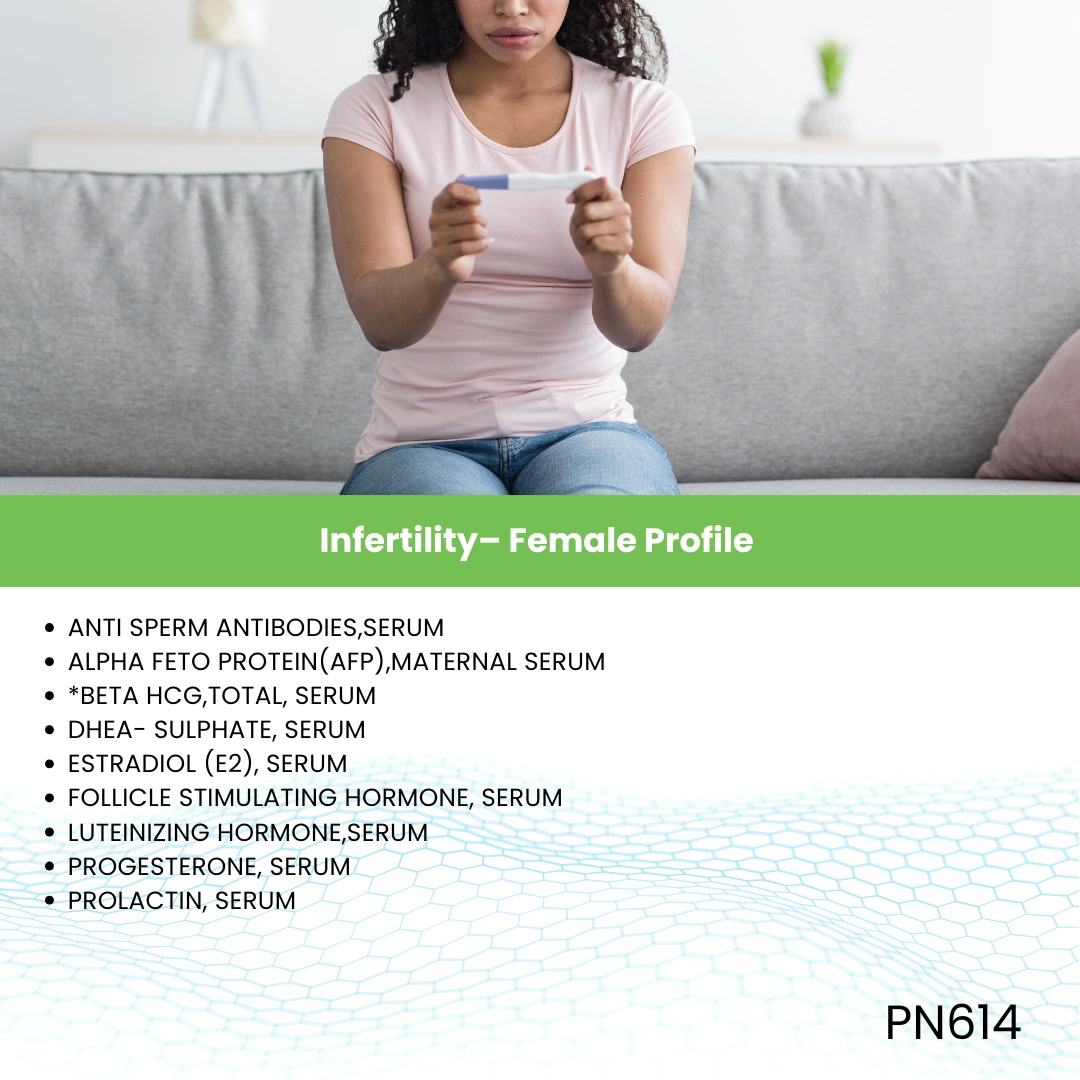
The Infertility – Female Profile is a panel of blood and hormone tests designed to evaluate the underlying causes of difficulty in conceiving. Female infertility may be linked to hormonal imbalance, ovulation disorders, thyroid dysfunction, or ovarian reserve decline. This profile helps identify reproductive health issues and guides treatment strategies for women experiencing infertility.
Uses
This profile is used to:
- Evaluate hormonal balance affecting ovulation and fertility.
- Assess ovarian reserve and reproductive potential.
- Identify thyroid or prolactin-related infertility causes.
- Guide fertility treatment and assisted reproductive techniques (ART).
- Monitor response to treatment in women undergoing infertility management.
Typical Tests Included
The exact package may vary, but usually includes:
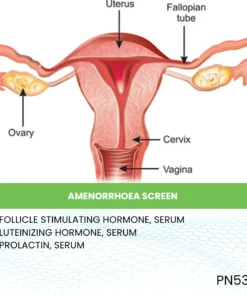
- Follicle Stimulating Hormone (FSH): To assess ovarian function and reserve.
- Luteinizing Hormone (LH): To evaluate ovulation and polycystic ovary syndrome (PCOS).
- Estradiol (E2): To check ovarian hormone production.
- Anti-MĂĽllerian Hormone (AMH): To estimate ovarian reserve.
- Prolactin: To detect hormonal imbalance that can affect ovulation.
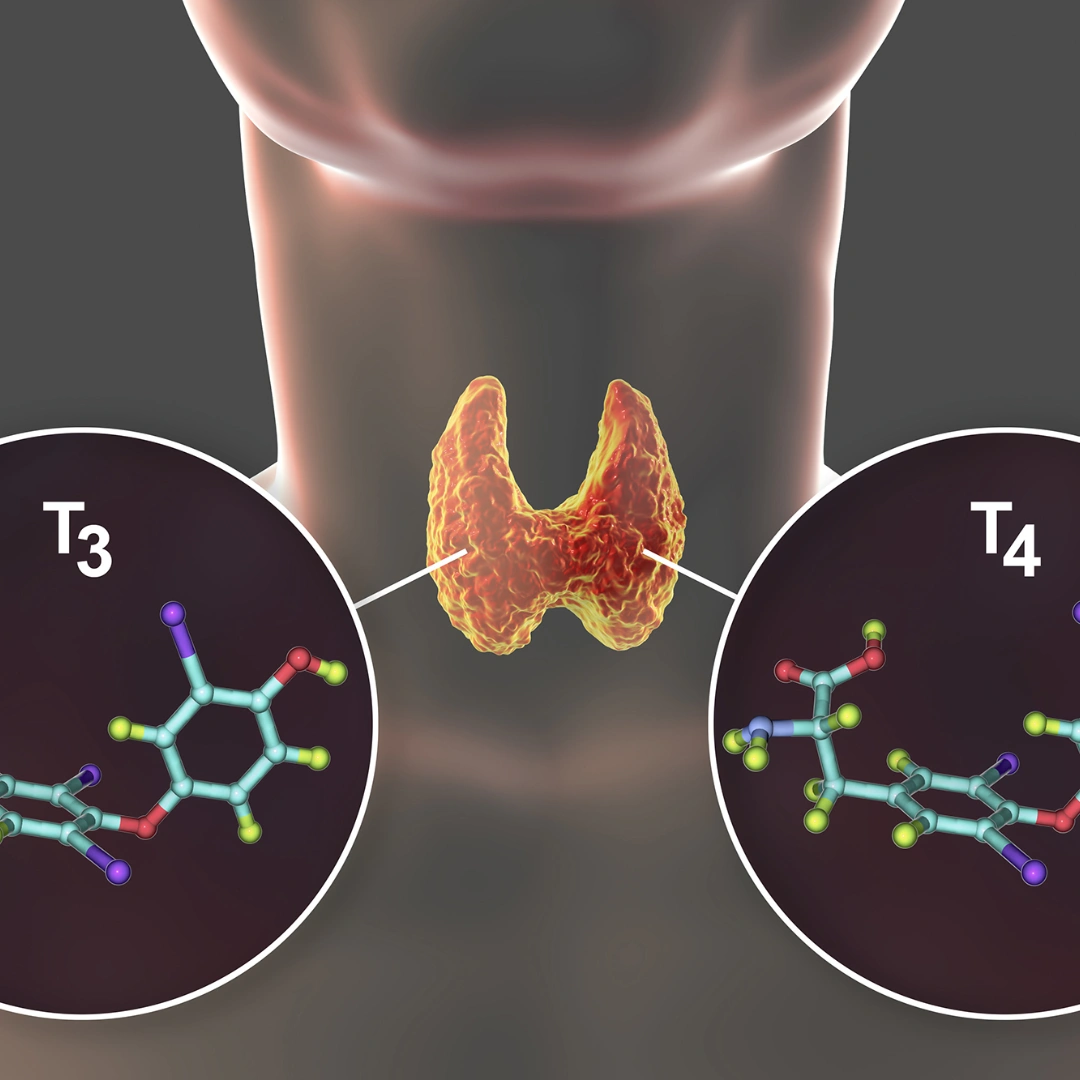
- Thyroid Function Tests (TSH, T3, T4): To assess thyroid disorders linked with infertility.
- Progesterone (if indicated): To confirm ovulation.
Symptoms / Conditions That May Lead to the Test
Doctors may recommend this profile if you have:
- Difficulty conceiving for more than 6–12 months.
- Irregular or absent menstrual cycles.
- History of recurrent miscarriages.
- Symptoms of PCOS (weight gain, irregular cycles, excess hair growth).
- Family or personal history of thyroid disease or hormonal disorders.
- Age above 30–35 years with concerns about fertility.
Abnormal Results
- Hormonal Imbalance (FSH, LH, Prolactin, Thyroid): May suggest PCOS, ovarian insufficiency, thyroid disorders, or pituitary dysfunction.
- Low AMH / High FSH: Indicates reduced ovarian reserve or approaching menopause.
- Abnormal Estradiol or Progesterone: Suggests ovulation-related problems.
Results are interpreted along with ultrasound scans, semen analysis (partner), and clinical evaluation for a complete fertility assessment.
Risks
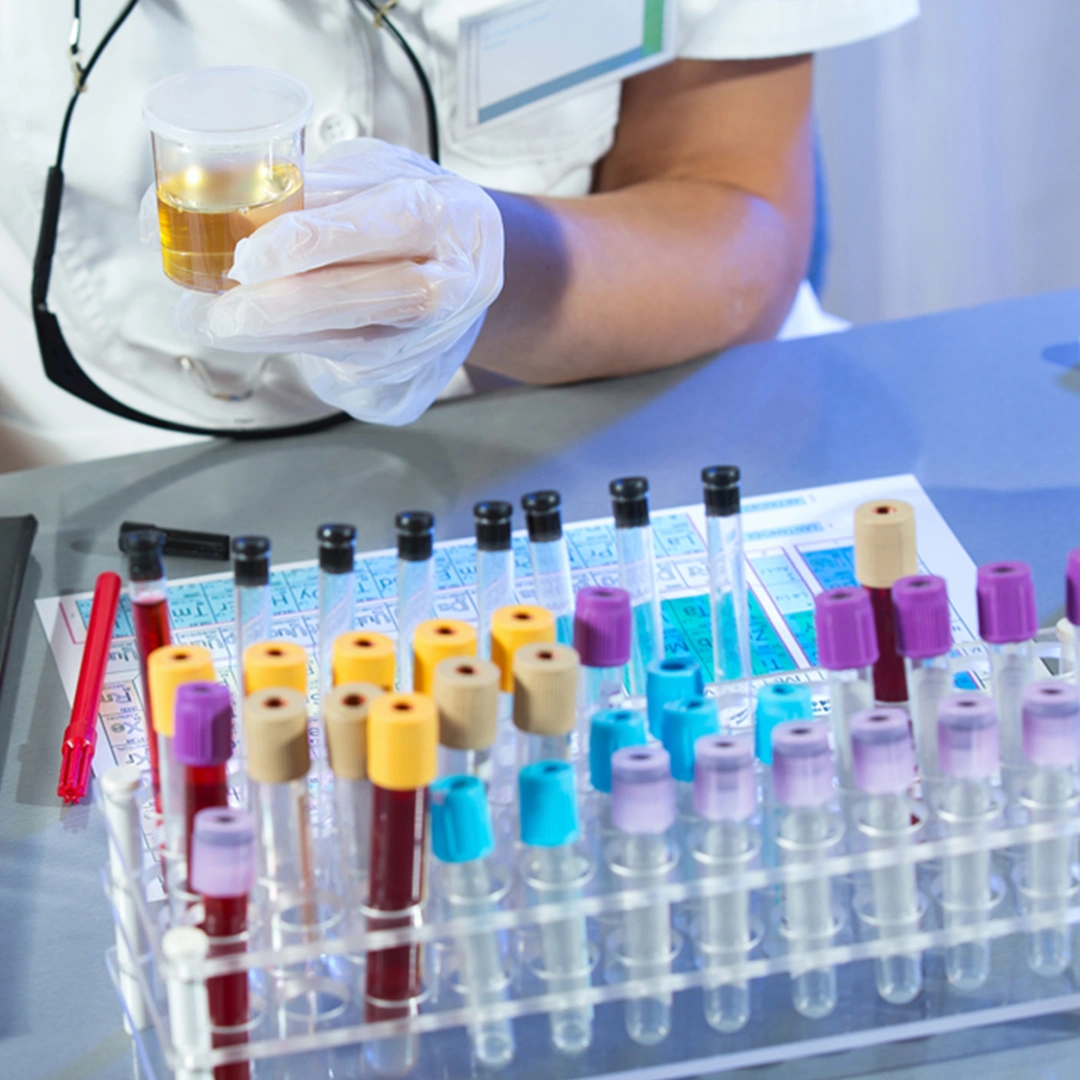
The profile requires blood samples and carries minimal risks, including:
- Mild pain, bruising, or discomfort at the puncture site.
- Rare chance of infection or dizziness after blood draw.


Reviews
There are no reviews yet.