Insulin Resistance (HOMA-IR)
What it is
The Insulin Resistance (HOMA-IR) test is a calculation that estimates how effectively the body uses insulin. It is derived from fasting blood glucose and fasting insulin levels. HOMA-IR (Homeostatic Model Assessment of Insulin Resistance) helps identify early signs of insulin resistance, a condition in which the body’s cells do not respond properly to insulin, leading to higher blood sugar and increased risk of type 2 diabetes and heart disease.
Uses
This test is used to assess insulin sensitivity, detect prediabetes and early type 2 diabetes, monitor individuals with obesity or metabolic syndrome, and evaluate women with polycystic ovary syndrome (PCOS). It can also guide treatment decisions for lifestyle interventions or medications targeting insulin resistance.
Symptoms That May Lead to the Test
Doctors may recommend this test if you have symptoms or risk factors such as unexplained weight gain, abdominal obesity, fatigue after meals, frequent urination, excessive thirst, darkened skin patches (acanthosis nigricans), high blood pressure, abnormal cholesterol, or irregular menstrual cycles in women with PCOS.
Abnormal Results
High HOMA-IR Score: Indicates insulin resistance, suggesting increased risk for prediabetes, type 2 diabetes, cardiovascular disease, or metabolic syndrome.
Low or Normal HOMA-IR Score: Suggests healthy insulin sensitivity and effective glucose metabolism. However, results should always be interpreted with clinical context and other lab findings.
Risks
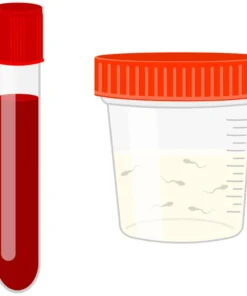
The test requires fasting blood glucose and fasting insulin measurements, which involve routine blood draws. Risks are minimal and limited to mild pain, bruising, or dizziness at the puncture site.


Reviews
There are no reviews yet.