Ionised Calcium, Serum
What it is
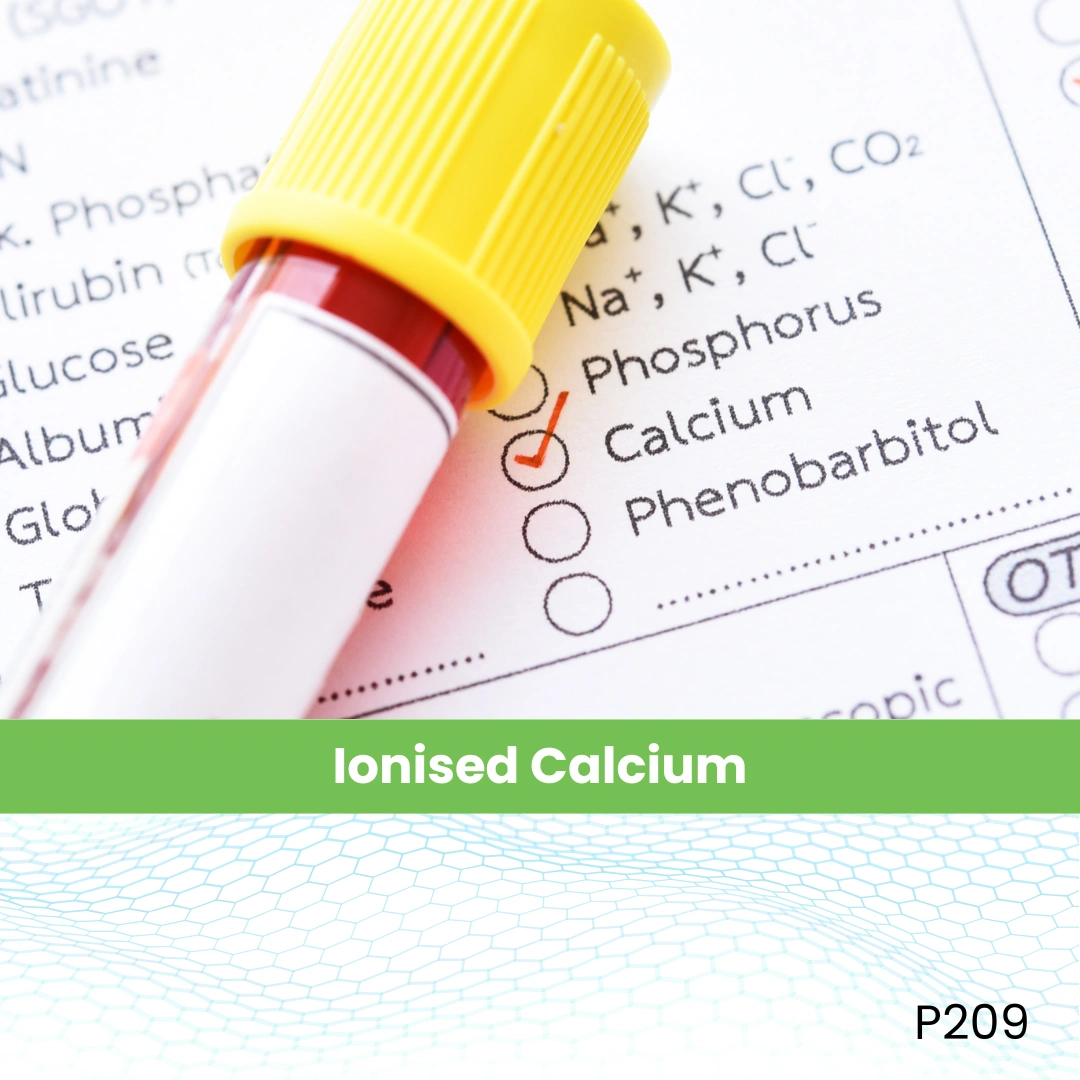
The Ionised Calcium test measures the amount of free, biologically active calcium in the blood. Unlike total calcium, which includes calcium bound to proteins like albumin, ionised calcium reflects the fraction that directly supports vital functions such as nerve transmission, muscle contraction, blood clotting, and heart rhythm. It provides a more accurate assessment of calcium status, especially when protein levels are abnormal.
Uses
This test is used to evaluate calcium metabolism, diagnose and monitor parathyroid disorders, assess kidney disease, investigate abnormal total calcium results, and guide treatment in critically ill patients. It is often performed in hospital or ICU settings where rapid and accurate calcium measurement is essential.
Symptoms That May Lead to the Test
Doctors may order this test if you experience symptoms such as muscle cramps, tingling or numbness in the fingers, fatigue, confusion, abnormal heart rhythms, bone pain, kidney stones, or frequent urination. It is also commonly requested in patients with suspected parathyroid dysfunction or severe illness.
Abnormal Results
Low Ionised Calcium (Hypocalcemia): May indicate hypoparathyroidism, vitamin D deficiency, kidney disease, pancreatitis, or low blood protein levels. Symptoms can include muscle spasms, seizures, or abnormal heart rhythms.
High Ionised Calcium (Hypercalcemia): May suggest hyperparathyroidism, certain cancers, vitamin D excess, or prolonged immobility. High levels can cause kidney stones, bone weakness, abdominal pain, and mental confusion.
Risks
The test requires a standard blood draw, which carries minimal risks such as slight pain, bruising, or dizziness at the puncture site. In ICU patients, it may also be measured directly from arterial blood gas samples.


Reviews
There are no reviews yet.