Lactate Dehydrogenase (LDH), Serum
What it is
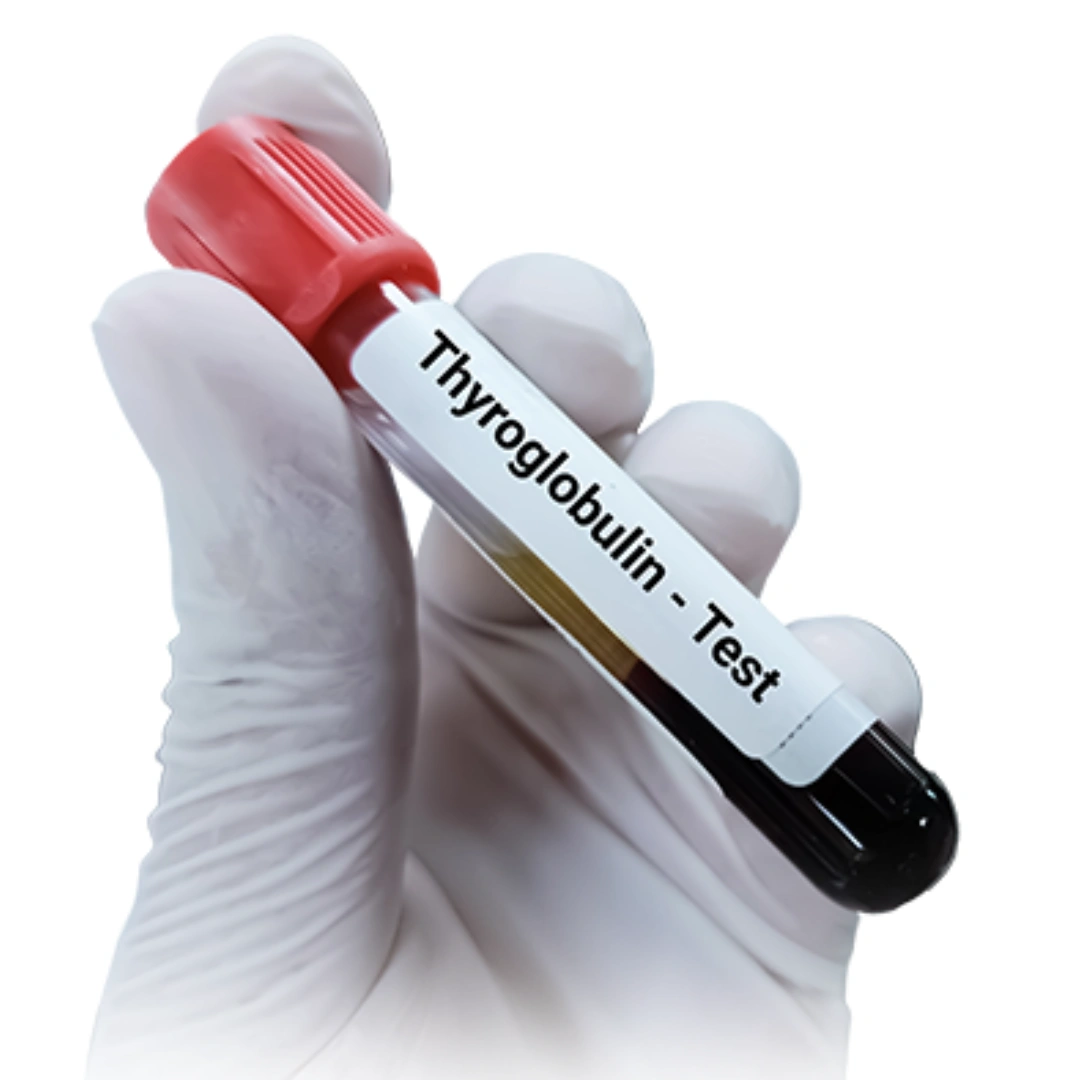
The Lactate Dehydrogenase (LDH), Serum test measures the level of LDH enzyme in the blood. LDH is found in nearly all body tissues, including the heart, liver, kidneys, muscles, brain, lungs, and red blood cells. When cells are damaged or destroyed, LDH is released into the bloodstream. Elevated serum LDH levels may therefore indicate tissue damage, inflammation, infection, or certain cancers.
Uses
This test is used to detect and monitor conditions that cause cell or tissue injury. It is often ordered to help diagnose blood disorders such as anemia and leukemia, monitor cancer progression, assess liver or muscle injury, and evaluate infections or inflammatory conditions. LDH may also be used as a general marker of disease activity when more specific tests are not available.
Symptoms That May Lead to the Test
Doctors may recommend an LDH serum test if you have symptoms such as unexplained fatigue, weakness, fever, enlarged lymph nodes, chest pain, shortness of breath, jaundice, muscle pain, or neurological changes. It may also be ordered if you have anemia, suspected cancer, or unexplained organ dysfunction.
Abnormal Results
High LDH Levels: May indicate tissue damage from conditions such as heart attack, liver disease, muscle injury, infections, anemia, or cancers (like lymphoma or leukemia). Persistently high LDH levels can suggest ongoing disease activity.
Low LDH Levels: Are uncommon but may be seen in rare inherited enzyme deficiencies. Typically, low results are not clinically significant.
Risks
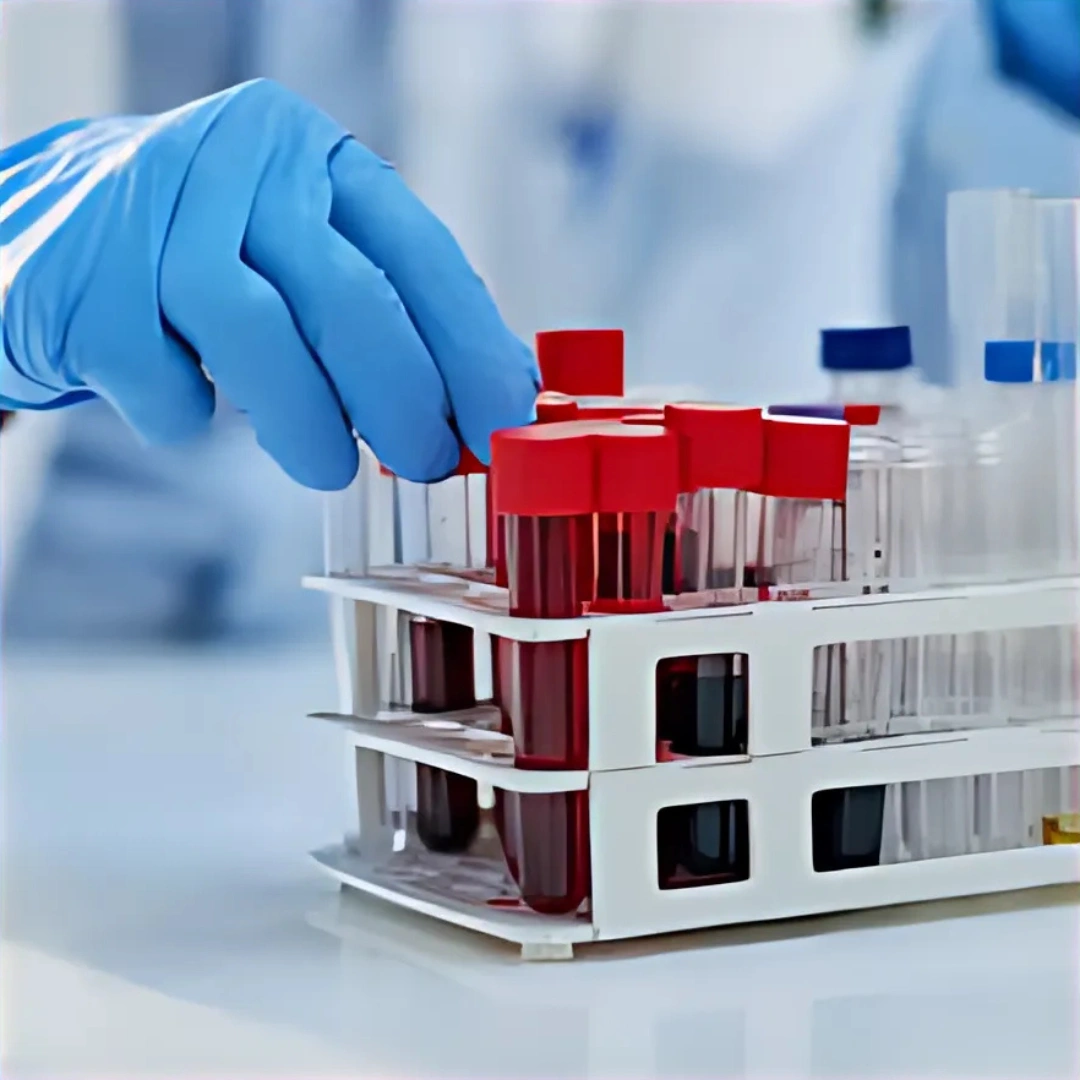
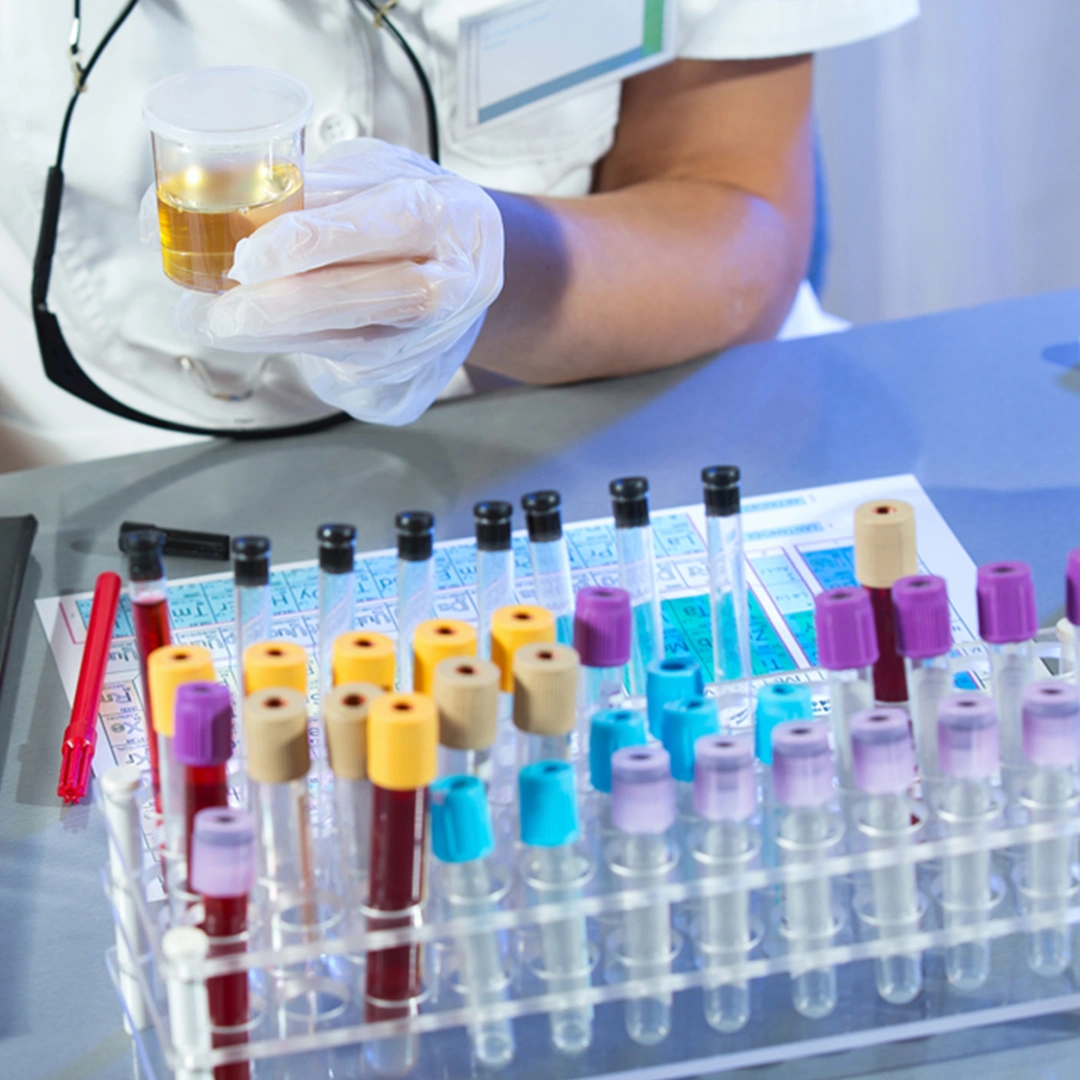
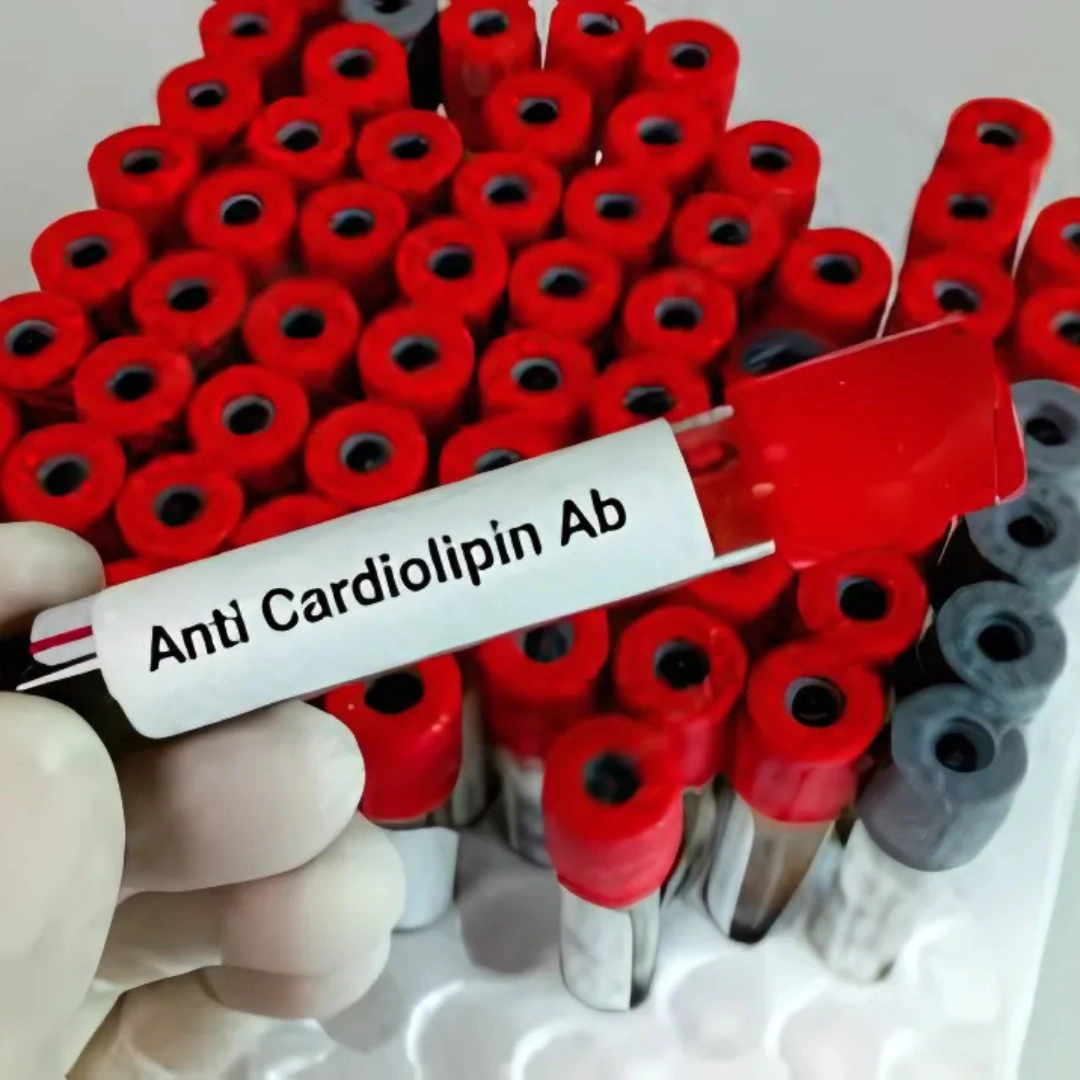
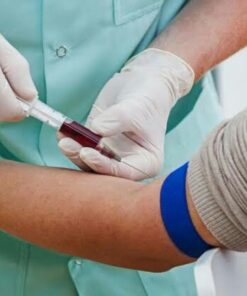
The test involves a routine blood draw, with minimal risks such as mild pain, bruising, or dizziness at the puncture site. Serious complications are very rare.


Reviews
There are no reviews yet.