LDH Isoenzymes Gel Electrophoresis, Serum
What it is
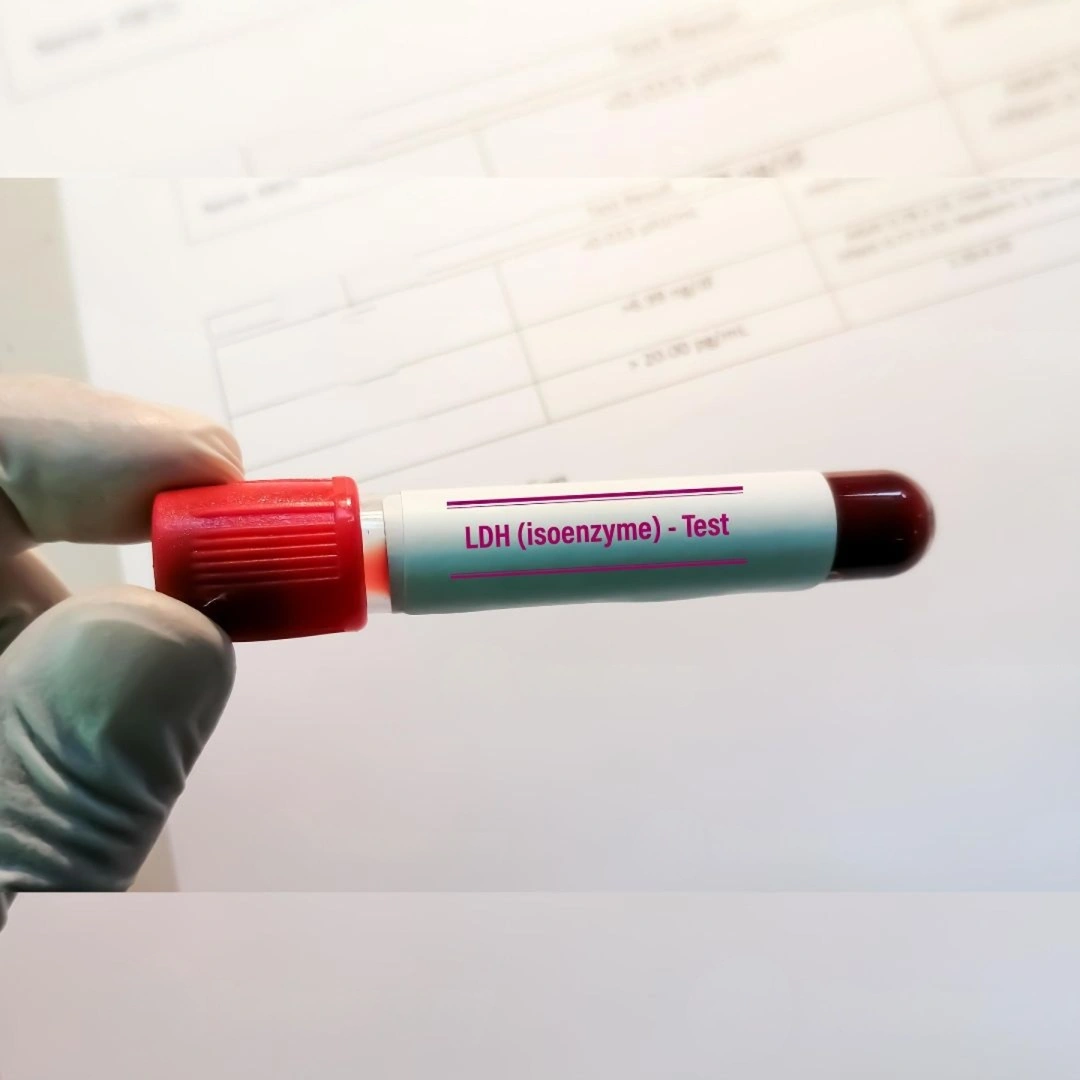
The LDH Isoenzymes Gel Electrophoresis, Serum test separates and measures the different isoenzymes of lactate dehydrogenase (LDH) in the blood. LDH is an enzyme found in many tissues, including the heart, liver, muscles, kidneys, lungs, and red blood cells. By identifying which isoenzymes are elevated, this test helps pinpoint the location and possible cause of tissue damage.
Uses
This test is used to help diagnose and monitor conditions involving tissue injury or disease. It can aid in distinguishing between heart, liver, lung, muscle, or blood-related damage. Clinically, it may be ordered to evaluate suspected heart attacks, liver disease, hemolytic anemia, or certain cancers, especially when standard LDH levels are elevated but the source is unclear.
Symptoms That May Lead to the Test
Doctors may recommend this test if you experience chest pain, shortness of breath, unexplained fatigue, jaundice, dark urine, persistent muscle pain, enlarged lymph nodes, or anemia-related symptoms. It is also used when general LDH testing shows high levels without a clear cause.
Abnormal Results
LDH-1 & LDH-2 Elevation: Suggests heart damage (such as myocardial infarction) or hemolytic anemia.
LDH-3 Elevation: Often linked to lung disease or certain cancers.
LDH-4 & LDH-5 Elevation: Associated with liver disease, muscle injury, or progressive cancers.
The pattern of isoenzyme elevation helps determine the affected organ system and guides further testing or treatment.
Risks
The test requires a standard blood draw, which carries minimal risks such as mild pain, bruising, or dizziness at the puncture site. Serious complications are very rare.


Reviews
There are no reviews yet.