Leptin
What it is
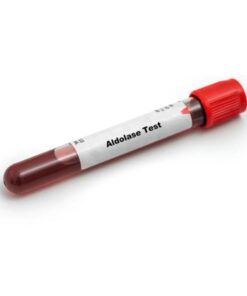
The Leptin test measures the level of leptin, a hormone primarily produced by fat (adipose) tissue, in the blood. Leptin plays a crucial role in regulating appetite, energy balance, and metabolism by signaling the brain to reduce hunger when fat stores are sufficient. Abnormal leptin levels can be associated with obesity, metabolic disorders, or rare conditions such as congenital leptin deficiency.
Uses
This test is used to study metabolic health, obesity, and conditions related to abnormal appetite control. It may be ordered to investigate unexplained weight gain, evaluate suspected leptin resistance (commonly seen in obesity), or monitor patients with rare genetic disorders affecting leptin production. It is also sometimes used in research settings for studying metabolic syndrome, diabetes, and endocrine disorders.
Symptoms That May Lead to the Test
Doctors may recommend a leptin test if you have persistent obesity, abnormal fat distribution, unexplained weight gain, intense hunger, or signs of metabolic syndrome such as high blood pressure, elevated blood sugar, or abnormal cholesterol levels. In children, it may be ordered if there is early-onset obesity suggestive of a genetic cause.
Abnormal Results
High Leptin Levels: Commonly seen in obesity due to leptin resistance, where the body produces leptin but the brain does not respond effectively, leading to increased appetite and reduced energy expenditure.
Low Leptin Levels: May indicate congenital leptin deficiency, severe malnutrition, or significant loss of fat tissue. Very low levels are sometimes linked to infertility and metabolic disturbances.
Risks
The test involves a routine blood draw, which carries minimal risks such as slight pain, bruising, or dizziness at the puncture site. Serious complications are extremely rare.


Reviews
There are no reviews yet.