Leptospira Antibody, IgG, Serum
What it is
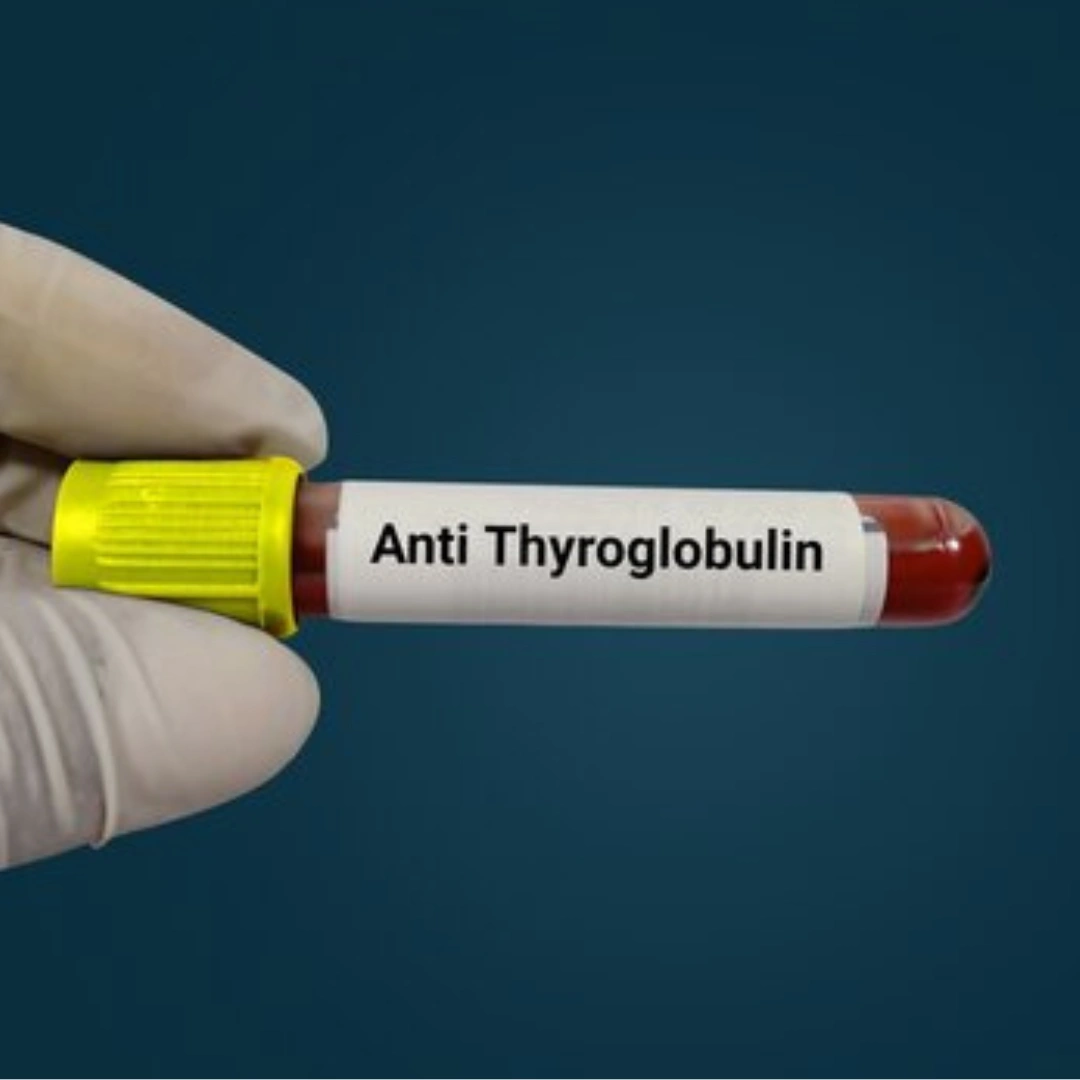
The Leptospira Antibody, IgG, Serum test detects IgG antibodies produced by the immune system in response to infection with Leptospira bacteria. IgG antibodies typically appear later in the course of leptospirosis and may remain detectable for months to years, indicating past exposure or recovery from infection. This test helps differentiate between past and current infection when combined with IgM testing.
Uses
This test is used to confirm previous exposure to Leptospira bacteria, monitor disease progression, and support diagnosis in patients with suspected leptospirosis. It is often ordered alongside IgM antibody testing to distinguish between recent and older infections. It may also be useful in epidemiological studies in regions where leptospirosis is common.
Symptoms That May Lead to the Test
Doctors may recommend this test if you have a history of fever, chills, severe headache, muscle pain, jaundice, abdominal discomfort, vomiting, red eyes, or rash, especially after exposure to contaminated water or animals. In severe cases, leptospirosis may lead to kidney damage, liver failure, meningitis, or respiratory complications.
Abnormal Results
Positive IgG Antibodies: Suggest past infection or late-stage leptospirosis. Rising IgG levels on repeat testing may indicate an ongoing or recent infection.
Negative IgG Antibodies: Indicate no previous exposure. However, in early infection, IgG may not yet be detectable, so follow-up testing or IgM measurement is often necessary.
Risks
The test requires a simple blood draw, which carries minimal risks such as mild pain, bruising, or dizziness at the puncture site. Serious complications are very rare.


Reviews
There are no reviews yet.