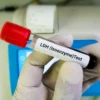
Lipase, Serum
What it is
The Lipase, Serum test measures the level of lipase, an enzyme produced mainly by the pancreas, in the blood. Lipase plays a vital role in digesting fats. Elevated levels in the blood often indicate pancreatic inflammation or damage, making this test particularly important in diagnosing acute and chronic pancreatitis.
Uses
This test is commonly used to help diagnose acute pancreatitis, monitor chronic pancreatitis, and detect other pancreatic disorders. It may also be ordered to evaluate abdominal pain, digestive problems, or suspected pancreatic injury. In some cases, it helps differentiate pancreatic disease from other causes of abdominal pain.
Symptoms That May Lead to the Test
Doctors may recommend the Lipase test if you experience severe abdominal pain (especially in the upper abdomen radiating to the back), nausea, vomiting, fever, loss of appetite, or unexplained weight loss. It is also ordered in individuals with a history of gallstones, heavy alcohol use, or conditions affecting the pancreas.
Abnormal Results
High Lipase Levels: Commonly indicate acute pancreatitis, chronic pancreatitis flare-ups, gallstones, pancreatic cancer, or other pancreatic injury. Elevated lipase may also occur in kidney disease, bowel obstruction, or peptic ulcers.
Low or Normal Lipase Levels: Usually normal, but in chronic pancreatitis or pancreatic insufficiency, levels may drop due to reduced enzyme production.
Risks
The test requires a standard blood draw, which carries minimal risks such as mild pain, bruising, or dizziness at the puncture site. Serious complications are extremely rare.


Reviews
There are no reviews yet.