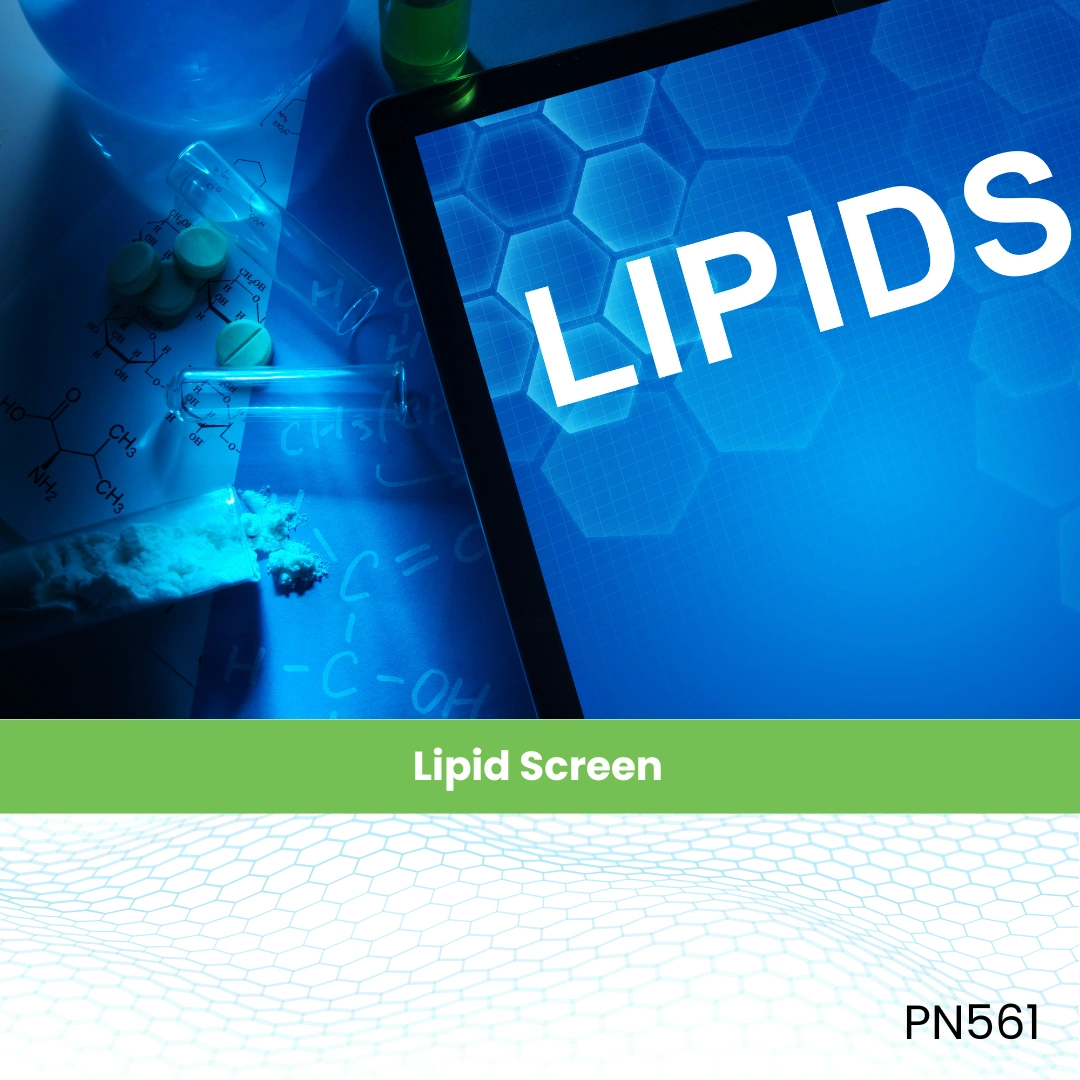
Lipid Screen
What it is
The Lipid Screen is a basic blood test that measures key lipids (fats) in the bloodstream to assess cardiovascular health. It generally includes total cholesterol, LDL cholesterol (bad cholesterol), HDL cholesterol (good cholesterol), and triglycerides. These markers are used to evaluate the risk of developing heart disease, stroke, or atherosclerosis.
Uses
This test is primarily used to screen for high cholesterol and lipid disorders as part of preventive healthcare. It helps doctors assess cardiovascular risk, guide lifestyle changes, and determine if cholesterol-lowering medication is needed. It is often included in routine health check-ups or wellness panels.
Symptoms That May Lead to the Test
Doctors may recommend a lipid screen if you have risk factors such as obesity, diabetes, high blood pressure, smoking, sedentary lifestyle, or a family history of premature heart disease. Symptoms like chest pain, shortness of breath, or visible cholesterol deposits (xanthomas) may also prompt testing, though it is most often ordered even without symptoms.
Abnormal Results
High Total or LDL Cholesterol: Indicates higher risk of blocked arteries, heart attack, or stroke.
Low HDL Cholesterol: Suggests reduced protection against cardiovascular disease.
High Triglycerides: May be linked to obesity, metabolic syndrome, uncontrolled diabetes, or risk of pancreatitis.
Normal Lipid Levels: Indicate a healthy balance of cholesterol and lower risk of heart-related complications.
Risks
The test requires a simple blood sample. Risks are minimal and may include slight pain, bruising, or dizziness at the puncture site. Some labs may ask for 9–12 hours of fasting to ensure accurate triglyceride measurements.


Reviews
There are no reviews yet.