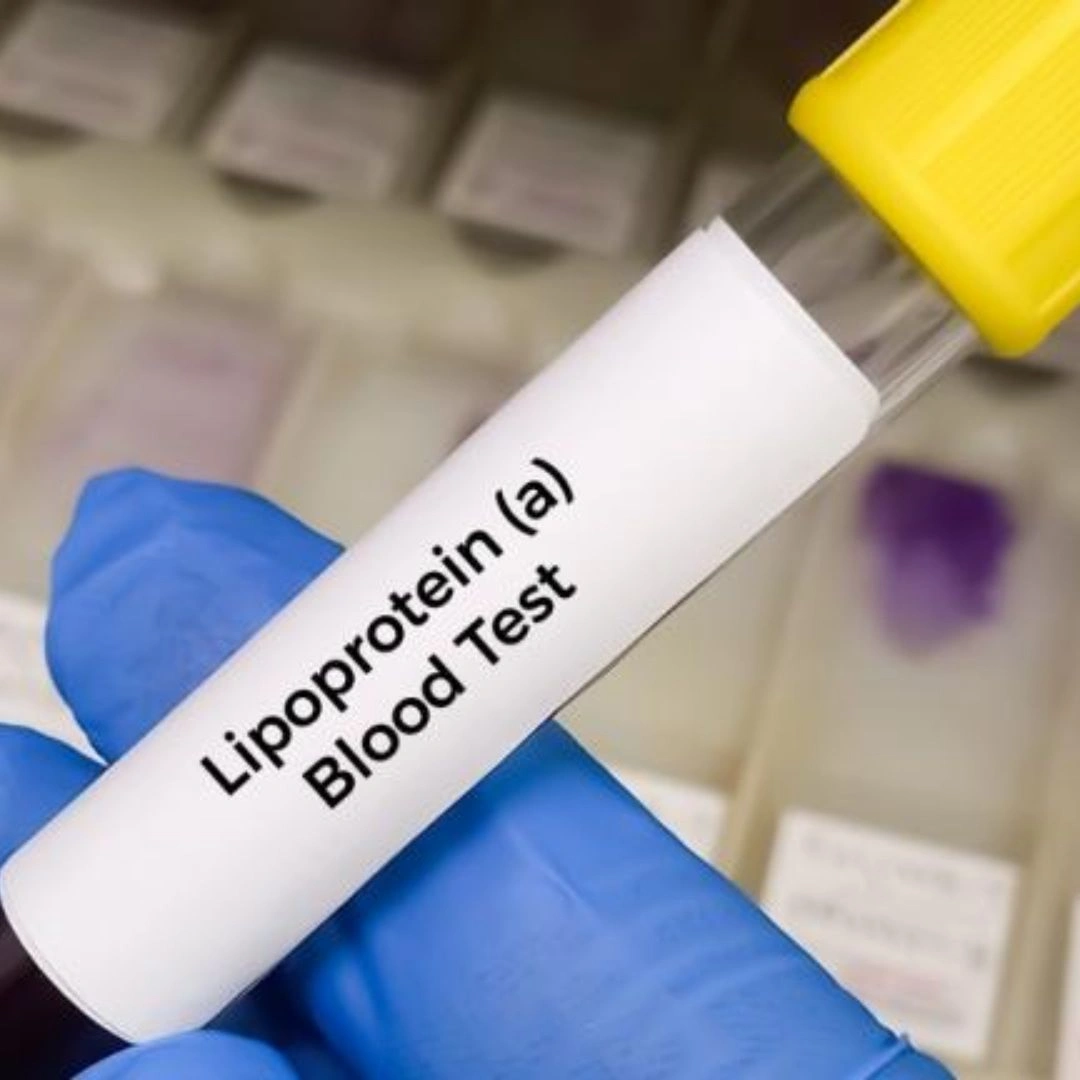
Lipoprotein (a) [Lp(a)], Serum
What it is
The Lipoprotein (a), or Lp(a), Serum test measures the level of Lp(a), a type of lipoprotein that carries cholesterol in the blood. Structurally similar to LDL (“bad cholesterol”), Lp(a) has an added protein called apolipoprotein(a), which makes it more likely to promote blood clotting and plaque buildup in arteries. Elevated Lp(a) is considered an independent risk factor for heart disease and stroke, even if standard cholesterol levels are normal.
Uses
This test is used to assess inherited cardiovascular risk, especially in individuals with a family history of premature heart disease, stroke, or high cholesterol that does not respond to lifestyle changes. It helps identify patients at risk for atherosclerosis, heart attack, and peripheral artery disease. Unlike standard cholesterol tests, Lp(a) levels are largely determined by genetics and do not change much with diet or exercise.
Symptoms That May Lead to the Test
Since high Lp(a) usually does not cause direct symptoms, doctors may recommend this test if you have early-onset cardiovascular disease in your family, unexplained high cholesterol, recurrent heart or vascular problems despite normal lipid levels, or other risk factors such as diabetes or hypertension.
Abnormal Results
High Lp(a) Levels: Suggest an increased risk of developing atherosclerosis, heart attack, or stroke, even if LDL and total cholesterol are within the normal range. Elevated Lp(a) is not significantly lowered by lifestyle changes, but certain medications or treatments may help reduce risk.
Normal Lp(a) Levels: Indicate no additional inherited risk from this lipoprotein, though overall cardiovascular risk should still be evaluated using standard lipid tests and other health factors.
Risks
The test requires a routine blood draw, which carries minimal risks such as mild pain, bruising, or dizziness at the puncture site. It is a safe and commonly performed laboratory test.


Reviews
There are no reviews yet.