LKM-1 Antibodies
What it is
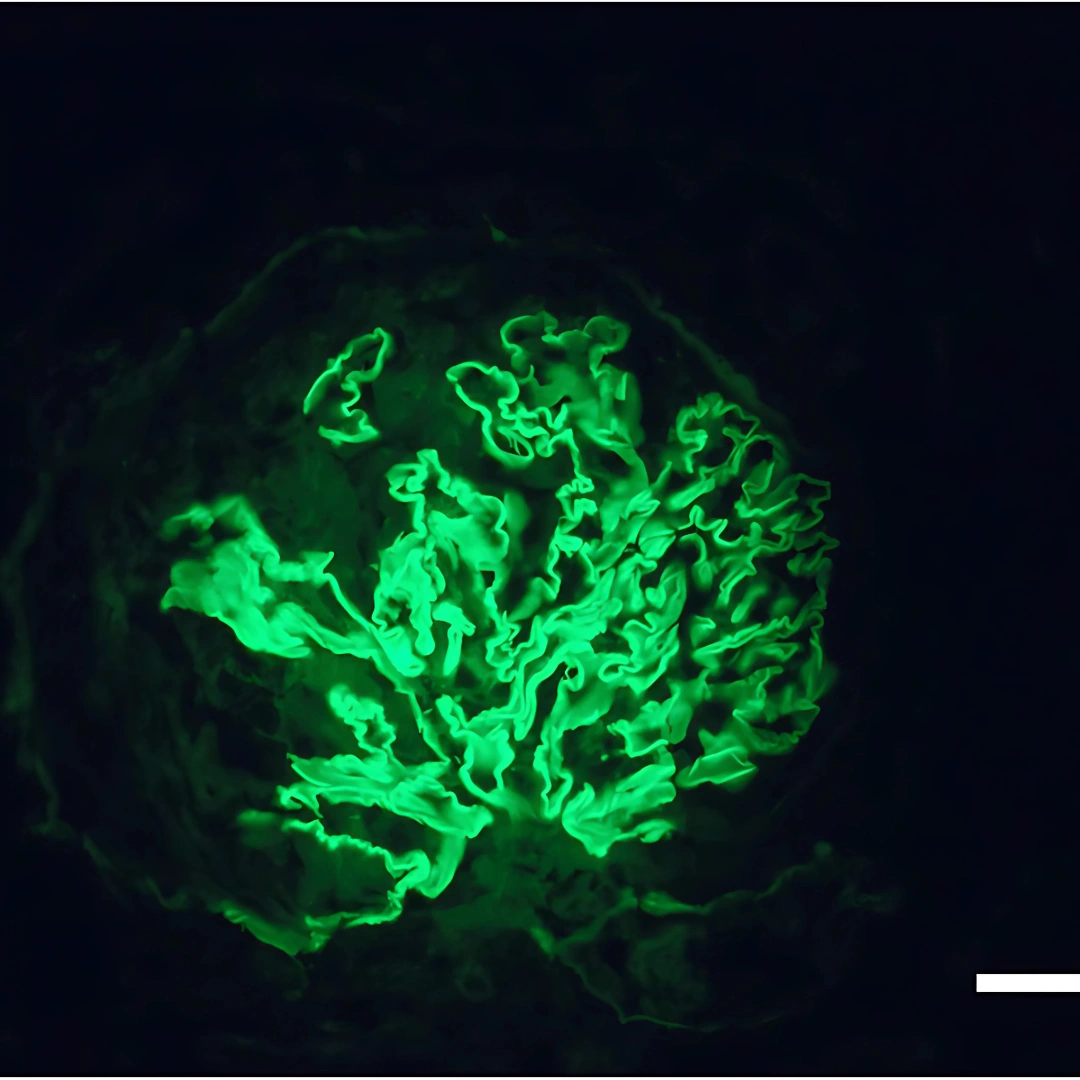
The LKM-1 (Liver Kidney Microsomal Type 1) Antibodies test detects the presence of autoantibodies directed against liver and kidney microsomal antigens in the blood. These antibodies are strongly associated with autoimmune hepatitis type 2, a chronic inflammatory liver disease that primarily affects children and young adults. The test is part of autoimmune liver disease screening and helps differentiate between different types of hepatitis.
Uses
This test is used to diagnose autoimmune hepatitis type 2 and distinguish it from other forms of chronic hepatitis, including viral hepatitis and autoimmune hepatitis type 1. It may also be used to evaluate unexplained liver function abnormalities or to confirm an autoimmune cause in patients with chronic liver disease.
Symptoms That May Lead to the Test
Doctors may recommend the LKM-1 antibody test if you show symptoms such as persistent fatigue, jaundice (yellowing of the skin and eyes), abdominal swelling or pain, nausea, vomiting, dark urine, pale stools, joint pain, or unexplained elevated liver enzymes. Children and young adults with chronic hepatitis symptoms are more likely to be tested.
Abnormal Results
Positive LKM-1 Antibodies: Suggest the presence of autoimmune hepatitis type 2. This finding is often accompanied by elevated liver enzymes and clinical features of chronic hepatitis. Positive results may also rarely be seen in some cases of hepatitis C infection.
Negative LKM-1 Antibodies: Suggest that autoimmune hepatitis type 2 is unlikely, though other types of autoimmune hepatitis or liver disease may still be present.
Risks
The test requires a routine blood sample. Risks are minimal and may include mild pain, bruising, or dizziness at the puncture site. Serious complications are extremely rare.


Reviews
There are no reviews yet.