Lupus Anticoagulant Screening (DRVVT), Plasma
What it is
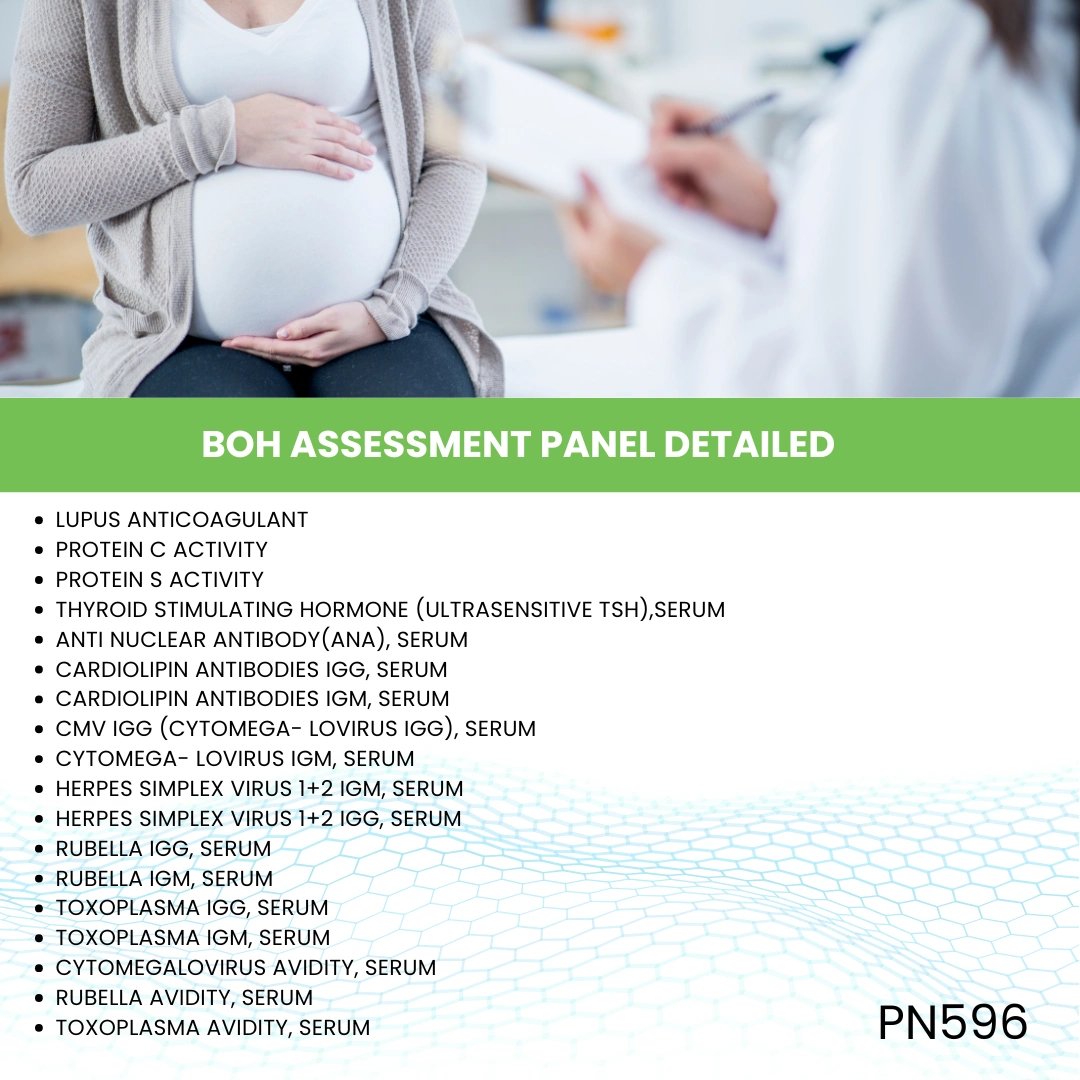
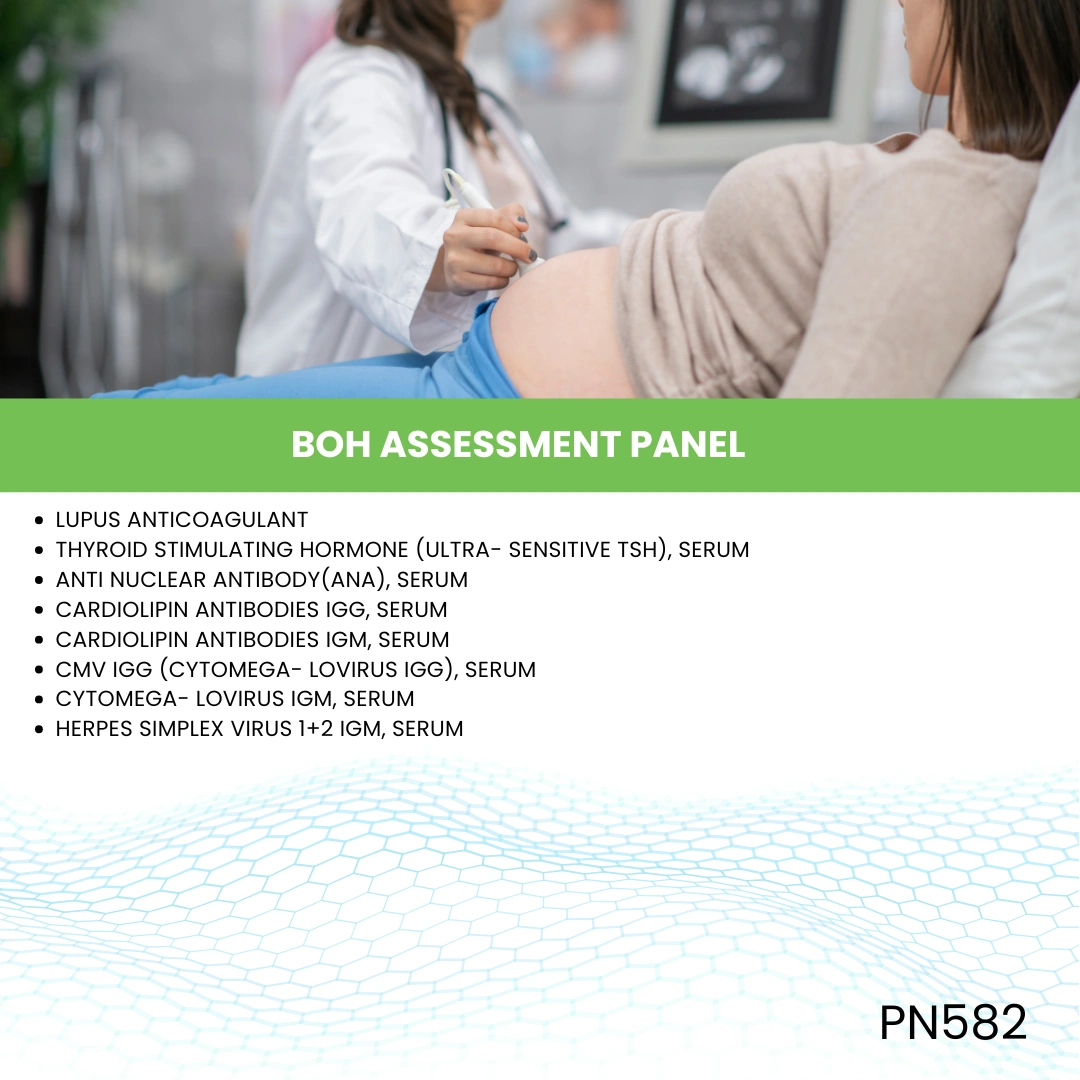
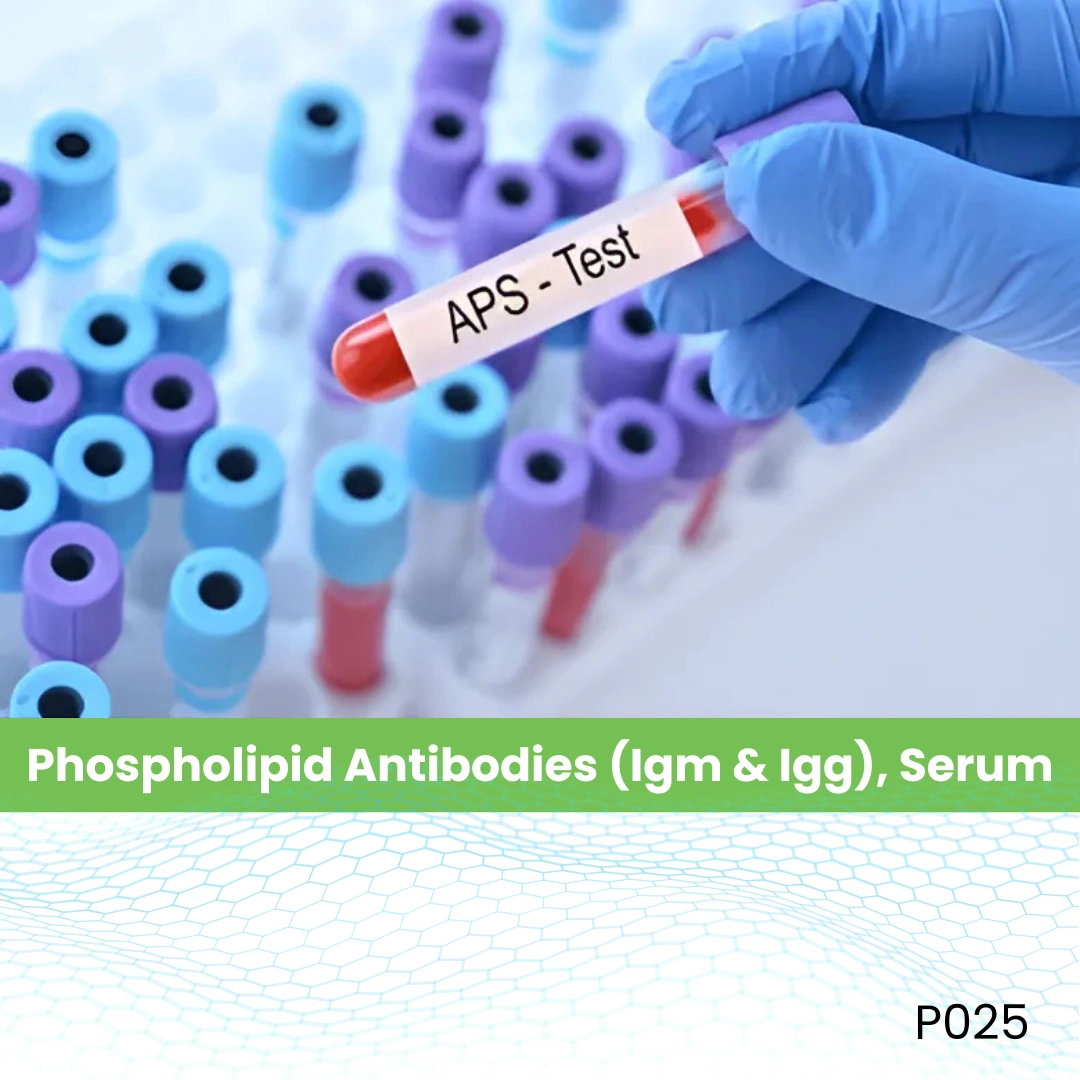
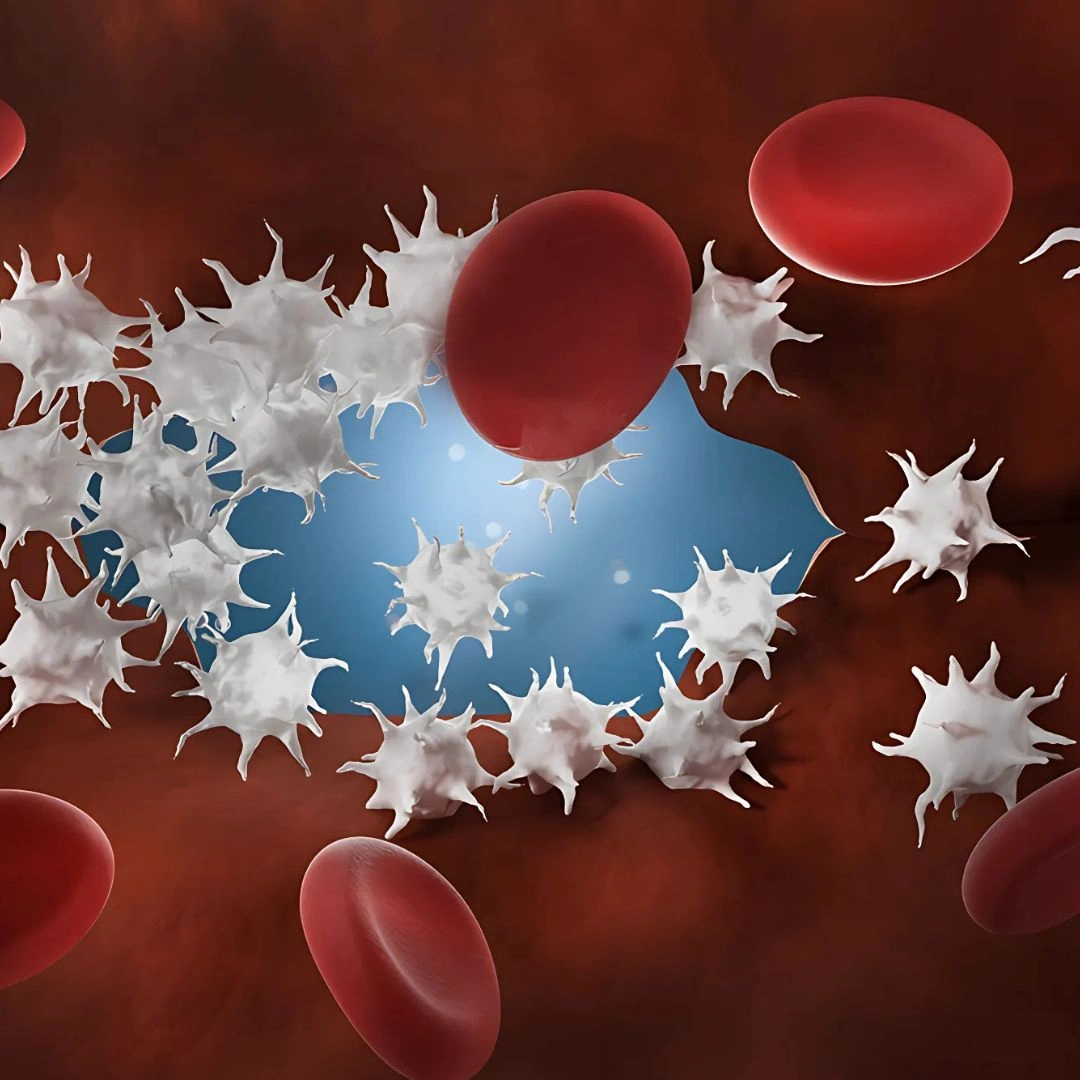
The Lupus Anticoagulant Screening (DRVVT), Plasma test is a specialized clotting assay used to detect lupus anticoagulants (LA) in the blood. DRVVT stands for Dilute Russell’s Viper Venom Time, a test that measures how long it takes for plasma to clot in response to venom enzymes that directly activate clotting factors. Prolonged clotting times that correct with excess phospholipid suggest the presence of lupus anticoagulants, which are antibodies linked to abnormal blood clot formation.
Uses
This test is primarily used to evaluate patients suspected of having Antiphospholipid Syndrome (APS), a condition associated with recurrent miscarriages, venous or arterial thrombosis, and certain autoimmune disorders such as systemic lupus erythematosus (SLE). It is also ordered to investigate unexplained prolonged clotting tests (like aPTT), recurrent blood clots, or unexplained pregnancy complications.
Symptoms That May Lead to the Test
A doctor may recommend this test if you have a history of recurrent deep vein thrombosis (DVT), pulmonary embolism, strokes or heart attacks at a young age, repeated pregnancy loss, or unexplained abnormal clotting test results. It may also be performed in patients with autoimmune diseases where antiphospholipid antibodies are suspected.
Abnormal Results
Positive DRVVT Screening: Indicates the likely presence of lupus anticoagulants, suggesting increased risk of abnormal blood clots. A confirmatory step (DRVVT confirm) is usually performed to validate the result. Persistent positivity over 12 weeks supports a diagnosis of Antiphospholipid Syndrome.
Negative DRVVT Screening: Suggests no evidence of lupus anticoagulants at the time of testing. However, repeat testing may be required if clinical suspicion remains high.
Risks
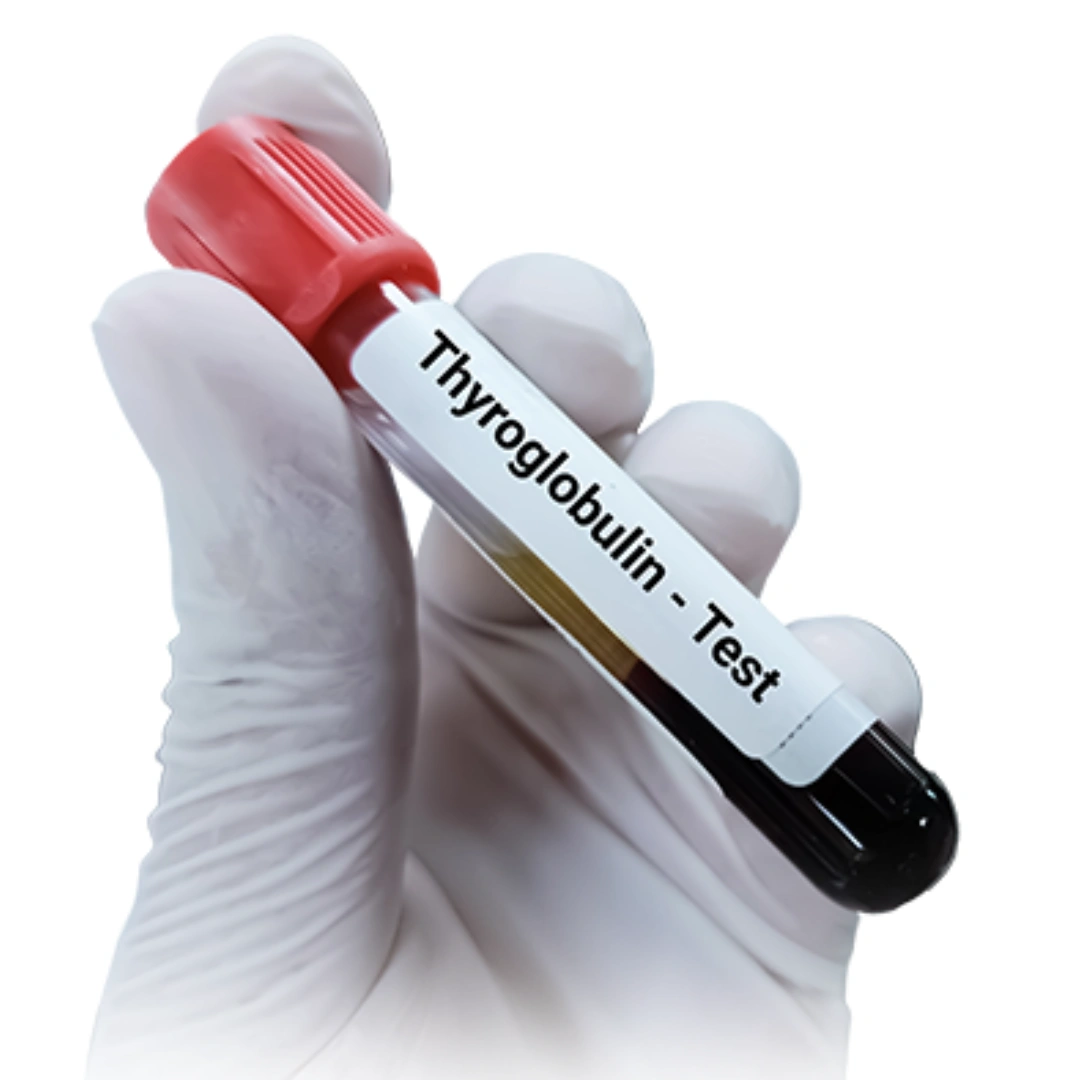
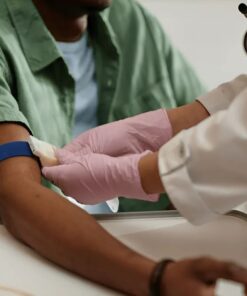
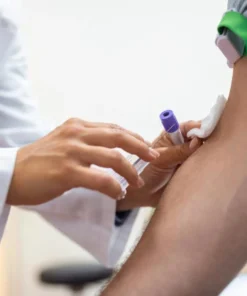
The test requires a blood sample from a vein. Risks are minimal and may include mild pain, bruising, or lightheadedness at the puncture site, which usually resolve quickly.


Reviews
There are no reviews yet.