Lyme Disease (Borrelia Burgdorferi) Antibodies, IgM
What it is
The Lyme Disease Antibodies, IgM test detects the presence of IgM antibodies against Borrelia burgdorferi, the bacterium responsible for Lyme disease. IgM antibodies are the first to appear in response to infection, typically within 1–2 weeks of exposure, making this test useful for identifying early-stage Lyme disease. It is usually performed using ELISA and confirmed with Western blot testing.
Uses
This test is used to help diagnose recent or active Lyme disease, particularly in individuals who show signs and symptoms consistent with infection. It is often ordered when a person has been exposed to tick bites in endemic areas or presents with suspicious clinical features. The IgM test is usually interpreted alongside IgG antibody testing for a more accurate diagnosis.
Symptoms That May Lead to the Test
Doctors may recommend this test if you experience symptoms such as a characteristic “bull’s-eye” rash (erythema migrans), fever, chills, headache, muscle and joint pain, swollen lymph nodes, or fatigue following possible tick exposure. Later symptoms may include arthritis, neurological problems (facial palsy, neuropathy), or cardiac abnormalities.
Abnormal Results
Positive IgM: Suggests a recent or current infection with Borrelia burgdorferi. However, false positives can occur due to cross-reactivity with other infections, so confirmatory testing is required.
Negative IgM: Suggests no evidence of recent infection, or testing was performed too early (before antibodies developed). If suspicion remains high, repeat testing may be advised after a few weeks.
Risks
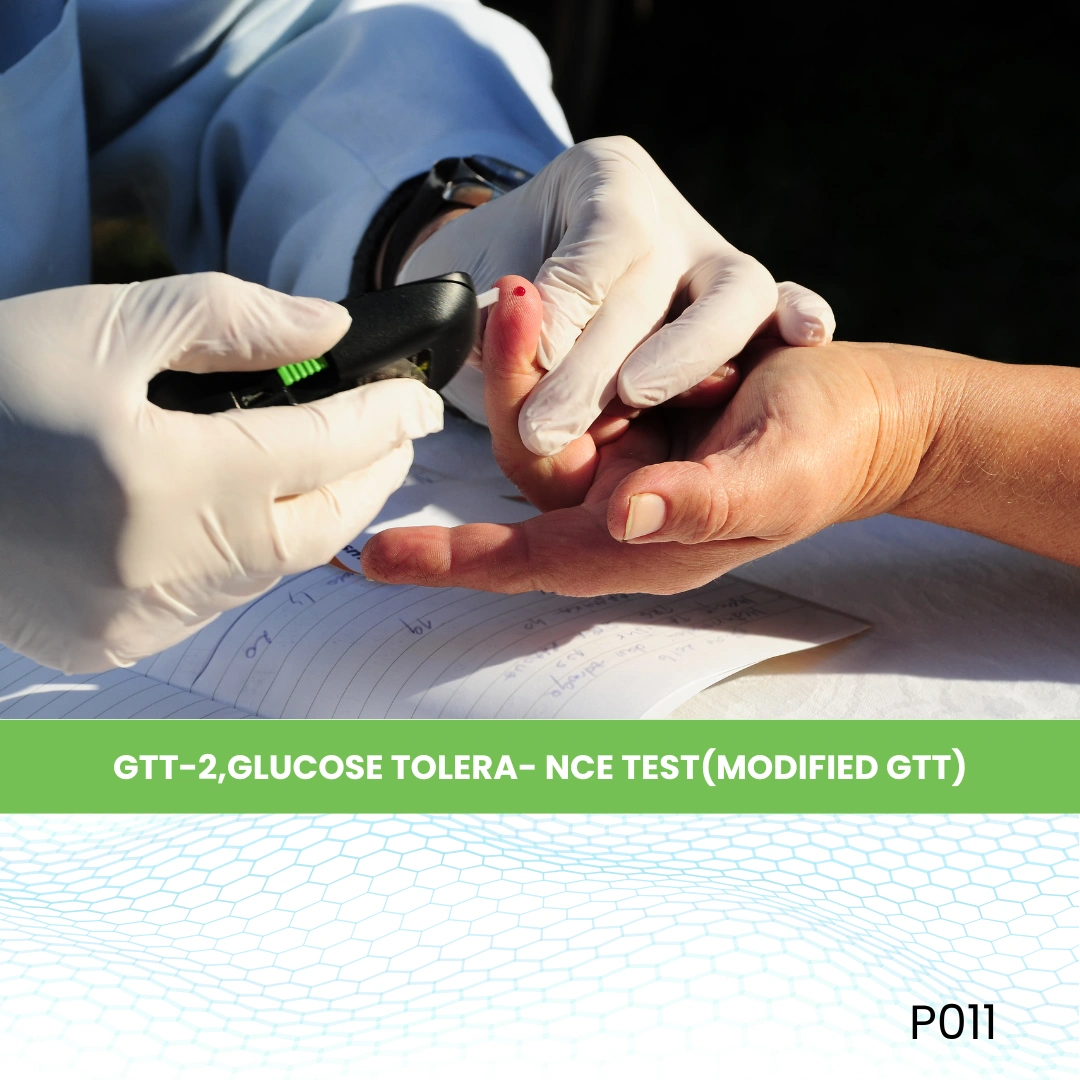
The test requires a routine blood sample. Risks are minimal and limited to temporary discomfort, mild pain, bruising, or lightheadedness at the puncture site. These effects usually resolve quickly.


Reviews
There are no reviews yet.