Malaria Antigen, Whole Blood
What it is
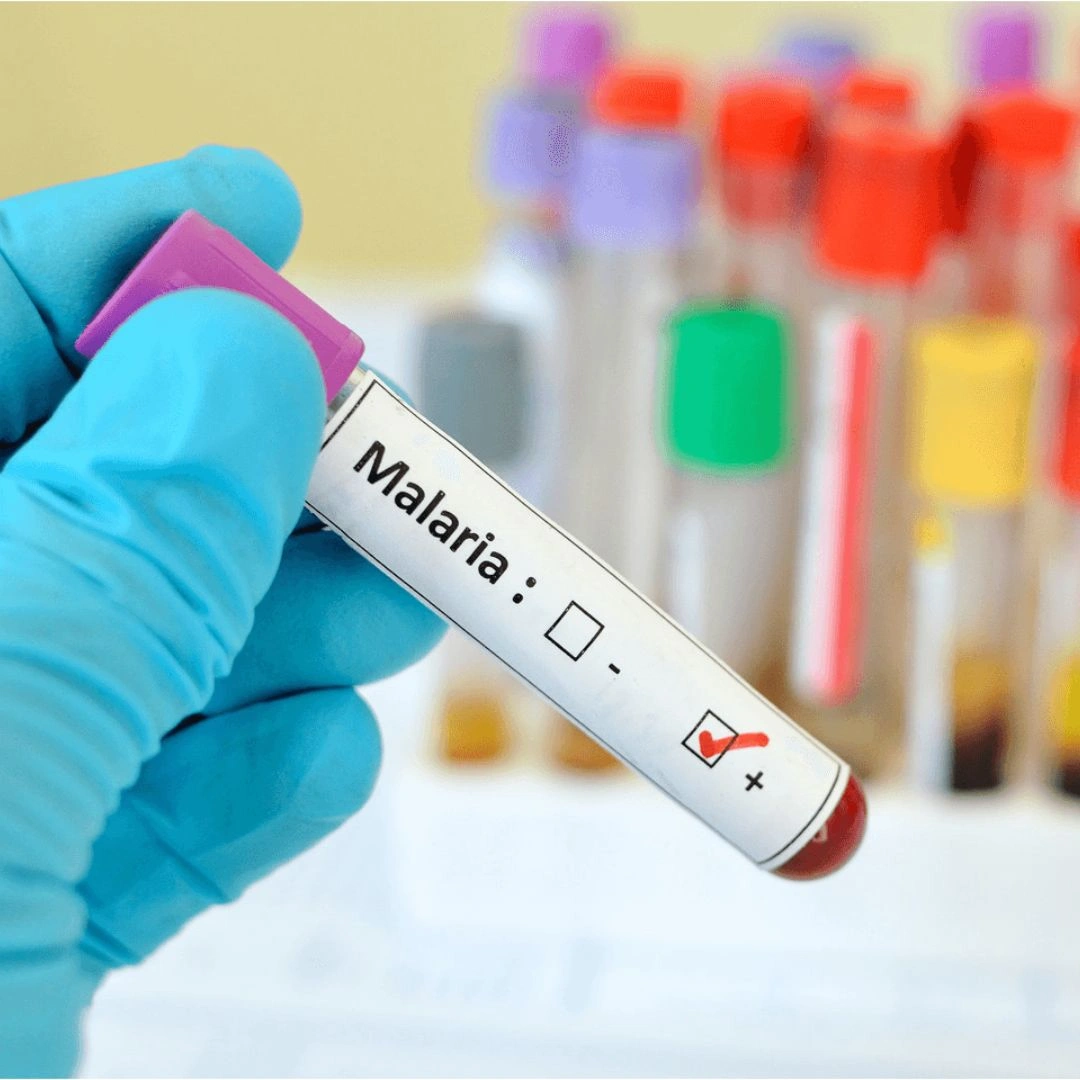
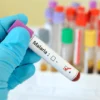
The Malaria Antigen, Whole Blood test is a rapid diagnostic test (RDT) that detects specific antigens produced by malaria parasites in a patient’s blood. Unlike traditional microscopic smear tests, it provides quicker results, making it valuable for timely diagnosis. This test can identify Plasmodium falciparum, the most dangerous malaria parasite, and sometimes differentiate it from other Plasmodium species.
Uses
This test is primarily used for the rapid detection of malaria in symptomatic patients, especially in areas where the disease is common. It helps confirm malaria infection, differentiate between types of Plasmodium, and guide immediate treatment decisions. It is particularly useful in emergencies or in locations with limited laboratory facilities.
Symptoms That May Lead to the Test
Doctors may recommend this test if you present with symptoms such as high fever with chills, sweating, fatigue, headache, nausea, vomiting, muscle pain, anemia, or an enlarged spleen—especially after travel to or residence in a malaria-endemic area.
Abnormal Results
Positive Test: Indicates the presence of malaria parasite antigens in the blood, confirming infection. A follow-up test such as a peripheral blood smear may be performed to determine parasite species and severity.
Negative Test: Suggests no detectable malaria antigens. However, false negatives can occur if parasite levels are too low, or if infection is due to a species not well-detected by the assay. If clinical suspicion remains high, further testing is recommended.
Risks
The test requires a small blood sample, usually via a finger-prick or venipuncture. Risks are minimal, limited to slight pain, bruising, or dizziness at the collection site. These effects typically resolve quickly.


Reviews
There are no reviews yet.