Malaria Parasite Smear, Whole Blood
What it is
The Malaria Parasite Smear, Whole Blood test is the gold standard diagnostic method for malaria. It involves microscopic examination of a stained blood film to directly detect the presence of Plasmodium parasites in red blood cells. The test can identify not only whether malaria is present, but also the species of parasite (such as P. falciparum, P. vivax, P. malariae, or P. ovale) and the density of parasitemia (how severe the infection is).
Uses
This test is primarily used to confirm a malaria diagnosis, differentiate between Plasmodium species, and assess the severity of infection. It also guides treatment decisions, monitors response to therapy, and helps identify drug resistance. In endemic regions, it is a routine diagnostic tool, while in non-endemic areas it is performed for individuals with fever and a history of travel to malaria-risk zones.
Symptoms That May Lead to the Test
Doctors may recommend this test if you experience high fever with chills, sweating, severe headache, fatigue, nausea, vomiting, body aches, jaundice, anemia, or an enlarged spleen—particularly after recent travel to or residence in malaria-endemic areas.
Abnormal Results
Positive Smear: Confirms malaria infection and provides details on parasite species and density. High parasite counts indicate severe infection requiring urgent treatment.
Negative Smear: Suggests no malaria parasites detected in the sample. However, since parasite levels can fluctuate, multiple smears over 24–48 hours may be necessary if clinical suspicion remains high.
Risks
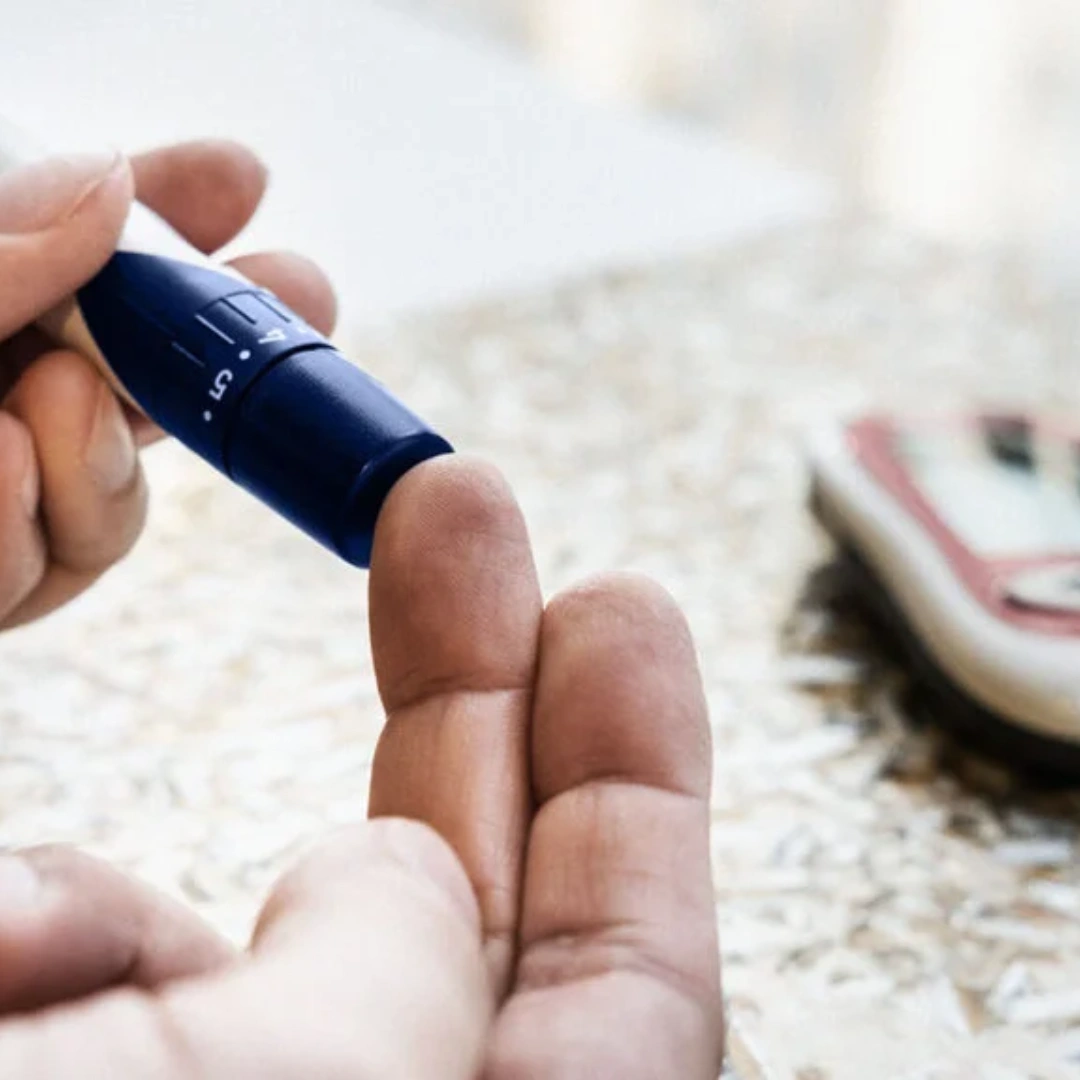
The test requires a blood sample, either from a finger-prick or venipuncture. Risks are minimal, limited to slight pain, mild bruising, or temporary dizziness at the collection site.


Reviews
There are no reviews yet.