Manganese, Spot Urine
What it is
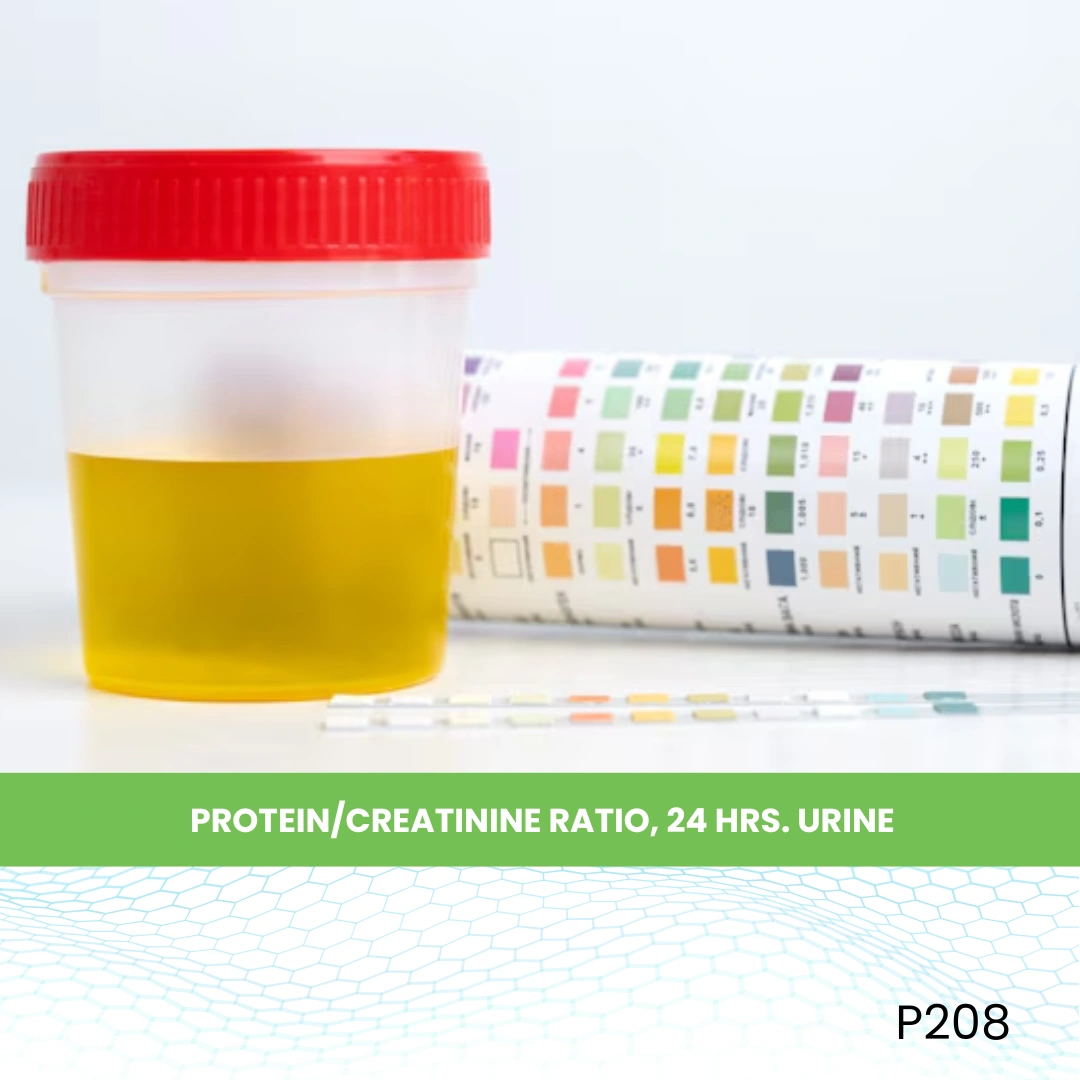
The Manganese, Spot Urine test measures the concentration of manganese in a single urine sample collected at any time of the day. Manganese is a trace element required for bone formation, metabolism, and enzyme activity, but excessive exposure can be toxic. Unlike a 24-hour urine test, a spot urine test provides a quick assessment of manganese excretion at the moment of collection.
Uses
This test is primarily used to evaluate manganese exposure in individuals who may have contact with the element through occupational or environmental sources (e.g., mining, welding, steel manufacturing). It helps screen for manganese toxicity, monitor at-risk workers, and assess patients with suspected abnormal manganese metabolism. It may also be used in combination with blood and 24-hour urine tests for a more complete evaluation.
Symptoms That May Lead to the Test
A doctor may recommend this test if you present with neurological symptoms such as tremors, muscle rigidity, memory issues, mood changes, or difficulty walking—symptoms often linked to manganese toxicity. It may also be ordered in patients with known exposure to manganese dust or contaminated environments.
Abnormal Results
High Urinary Manganese: Indicates increased excretion due to recent exposure or toxicity, often related to occupational or environmental contact. It may also reflect impaired liver function since manganese is normally excreted through bile.
Low Urinary Manganese: Is less common but may suggest dietary deficiency, malabsorption, or low exposure. Typically, low levels are not as clinically significant as high levels.
Risks
The test requires only a single urine sample, making it safe and non-invasive. There are no direct risks, but accuracy may be influenced by timing of sample collection and recent dietary or environmental exposure.


Reviews
There are no reviews yet.