Menarche – I
What it is
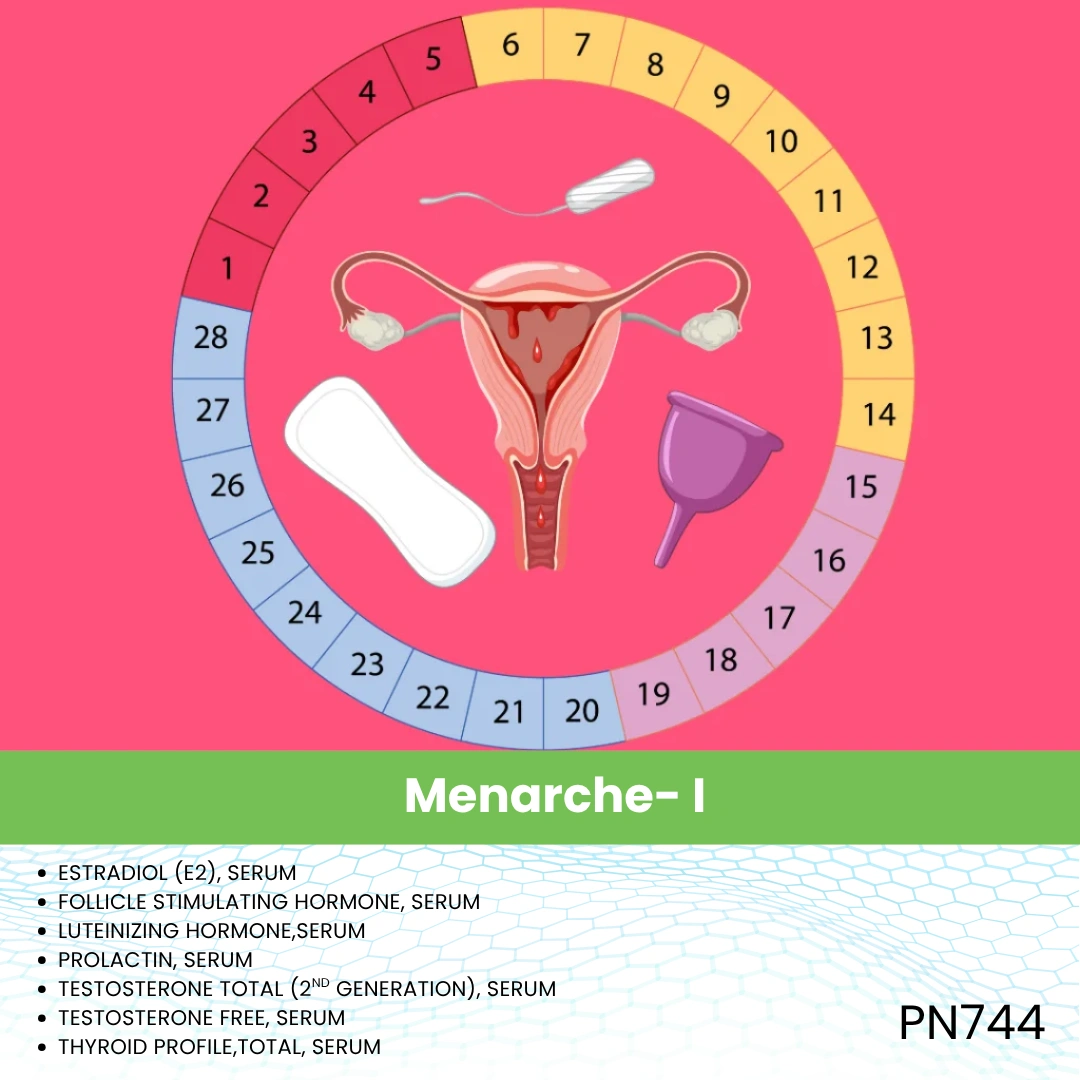
Menarche is the medical term for a female’s first menstrual period, marking the onset of reproductive capability. The average age of menarche varies globally but usually occurs between ages 11 and 14. The timing of menarche is influenced by genetics, nutrition, overall health, and environmental factors. Documenting the age of menarche (Menarche – I) is important in clinical and research settings to evaluate normal growth and development.
Uses
Recording the age of menarche is used in pediatric and adolescent health assessments, gynecology, endocrinology, and epidemiological studies. It helps in identifying delayed or precocious puberty, hormonal imbalances, and potential reproductive health concerns. Early or late menarche may be linked to conditions such as polycystic ovary syndrome (PCOS), thyroid disorders, or nutritional deficiencies.
Symptoms That May Lead to Evaluation
Doctors may investigate menarche timing if there is an absence of menstruation by age 15, onset before age 9, or if menstrual cycles remain irregular years after menarche. Concerns such as delayed puberty, rapid pubertal changes, or abnormal menstrual bleeding may also prompt evaluation.
Abnormal Findings
Early Menarche (before age 9): May be associated with precocious puberty, obesity, or endocrine disorders. It can increase the risk of reproductive and metabolic conditions later in life.
Late Menarche (after age 15): May indicate delayed puberty due to genetic factors, malnutrition, eating disorders, excessive exercise, chronic illnesses, or hormonal imbalances.
Risks
There are no risks associated with documenting menarche, as it is a natural biological event rather than a laboratory test. However, abnormal timing may signal underlying health issues that require medical evaluation.


Reviews
There are no reviews yet.