Meningoencephalitis Panel
What it is
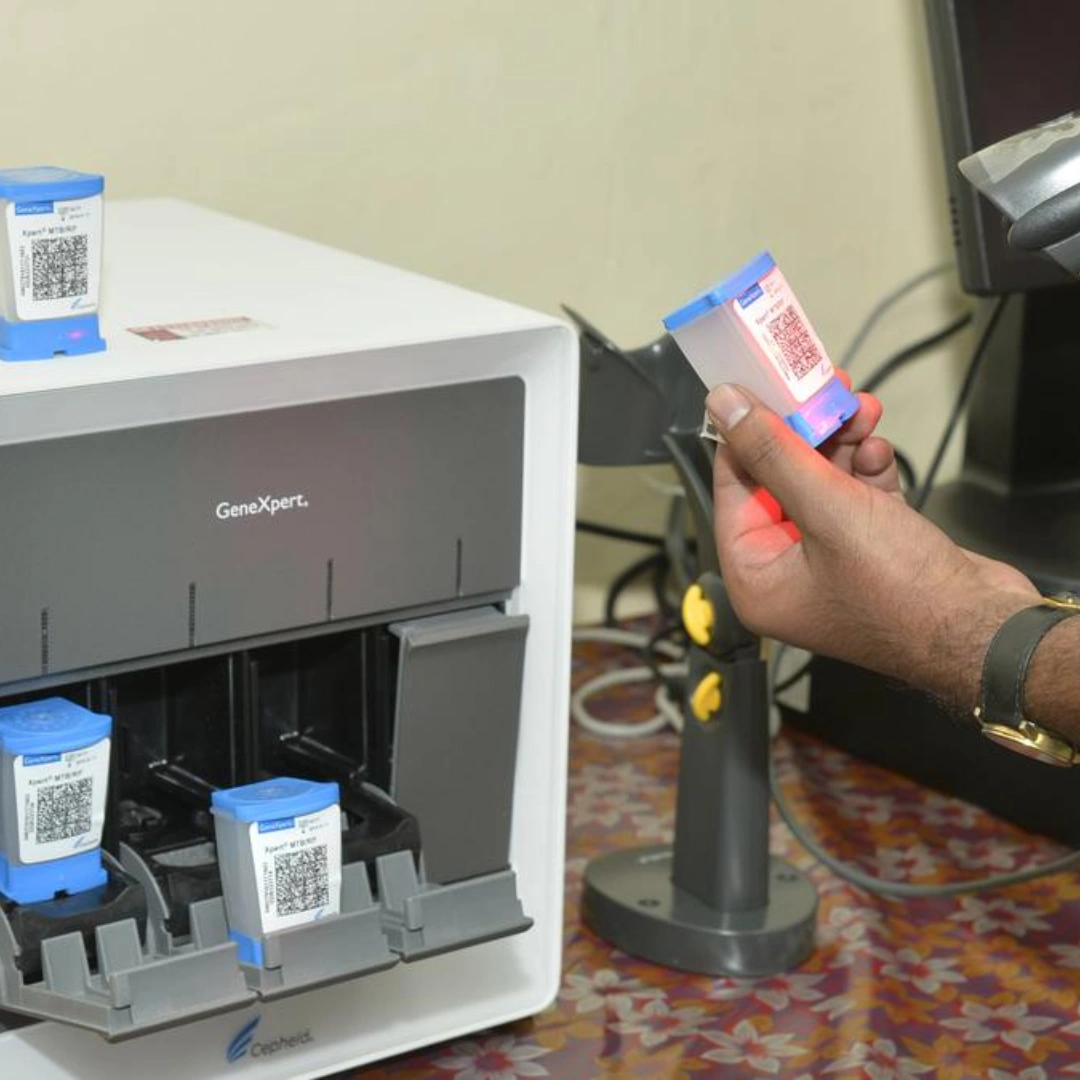
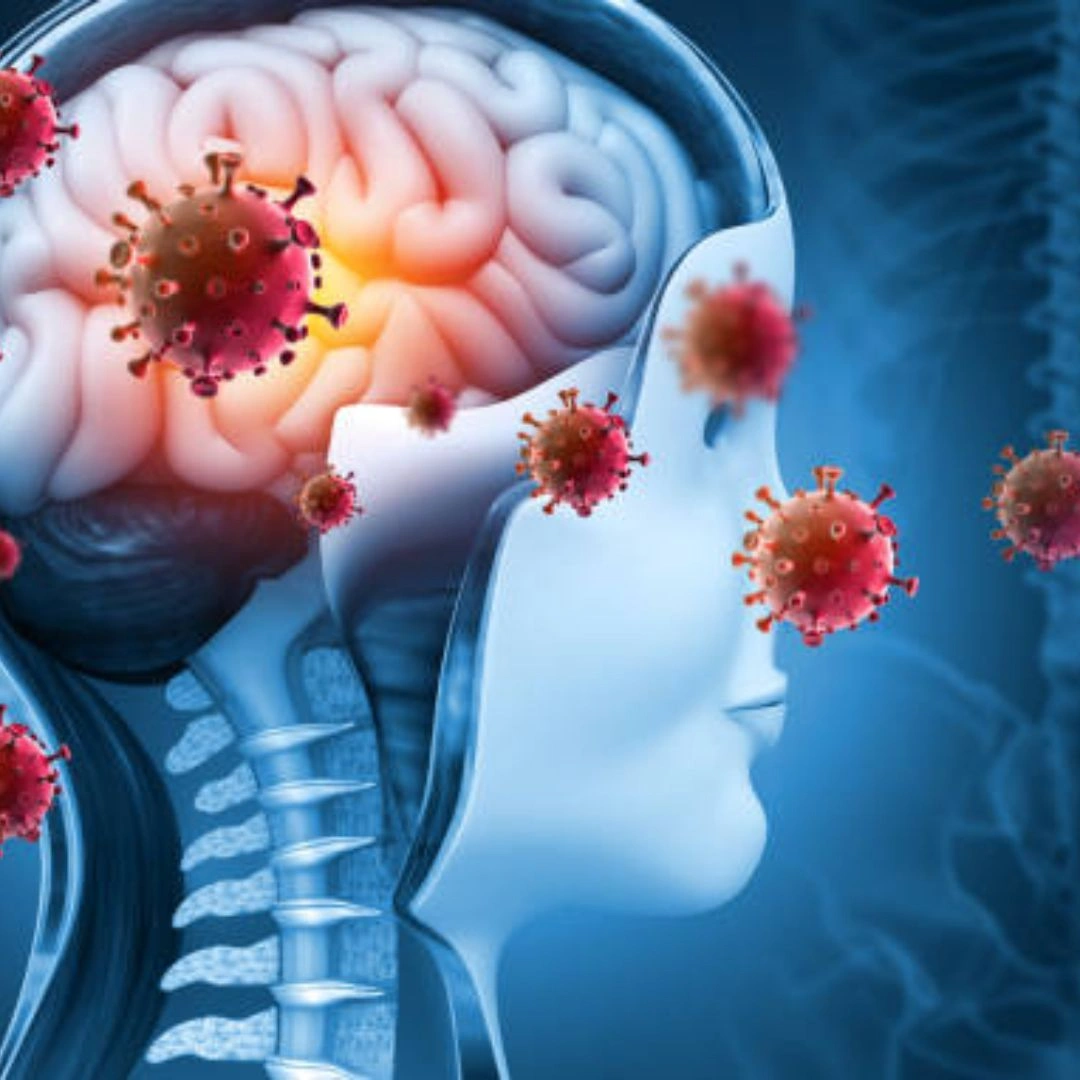
The Meningoencephalitis Panel is a molecular diagnostic test designed to detect multiple pathogens that can cause meningitis and encephalitis. Using advanced PCR (polymerase chain reaction) technology, it analyzes cerebrospinal fluid (CSF) to identify bacterial, viral, and sometimes fungal organisms in a single test. This rapid and accurate panel allows physicians to distinguish between different infectious causes more efficiently than traditional culture methods.
Uses
This panel is used for the rapid diagnosis of central nervous system (CNS) infections. It helps clinicians differentiate between bacterial and viral causes, which is crucial since bacterial infections often require urgent antibiotics while viral cases may not. The test typically screens for pathogens such as *Neisseria meningitidis, Streptococcus pneumoniae, Haemophilus influenzae, Listeria monocytogenes, Herpes simplex virus (HSV), Varicella zoster virus (VZV), Enteroviruses,* and others depending on the panel configuration.
Symptoms That May Lead to the Test
Doctors may order this test if you present with severe headache, fever, neck stiffness, seizures, confusion, altered mental status, nausea, vomiting, or photophobia. In infants and children, irritability, poor feeding, or bulging fontanelle may also prompt testing. The test is often performed urgently when meningitis or encephalitis is clinically suspected.
Abnormal Results
Positive Result: Indicates the presence of a specific pathogen causing meningitis or encephalitis. Identifying the exact organism guides targeted therapy, helps improve outcomes, and reduces unnecessary antibiotic use.
Negative Result: Suggests no detectable pathogens included in the panel. However, this does not fully rule out infection, as some less common organisms may not be part of the test.
Risks
The test itself has no direct risks since it analyzes CSF. However, obtaining the CSF sample requires a lumbar puncture (spinal tap), which carries minor risks such as headache, temporary back pain, bleeding, or—in rare cases—infection. These risks are generally low and manageable under medical supervision.


Reviews
There are no reviews yet.