Metanephrine – Plasma
What it is
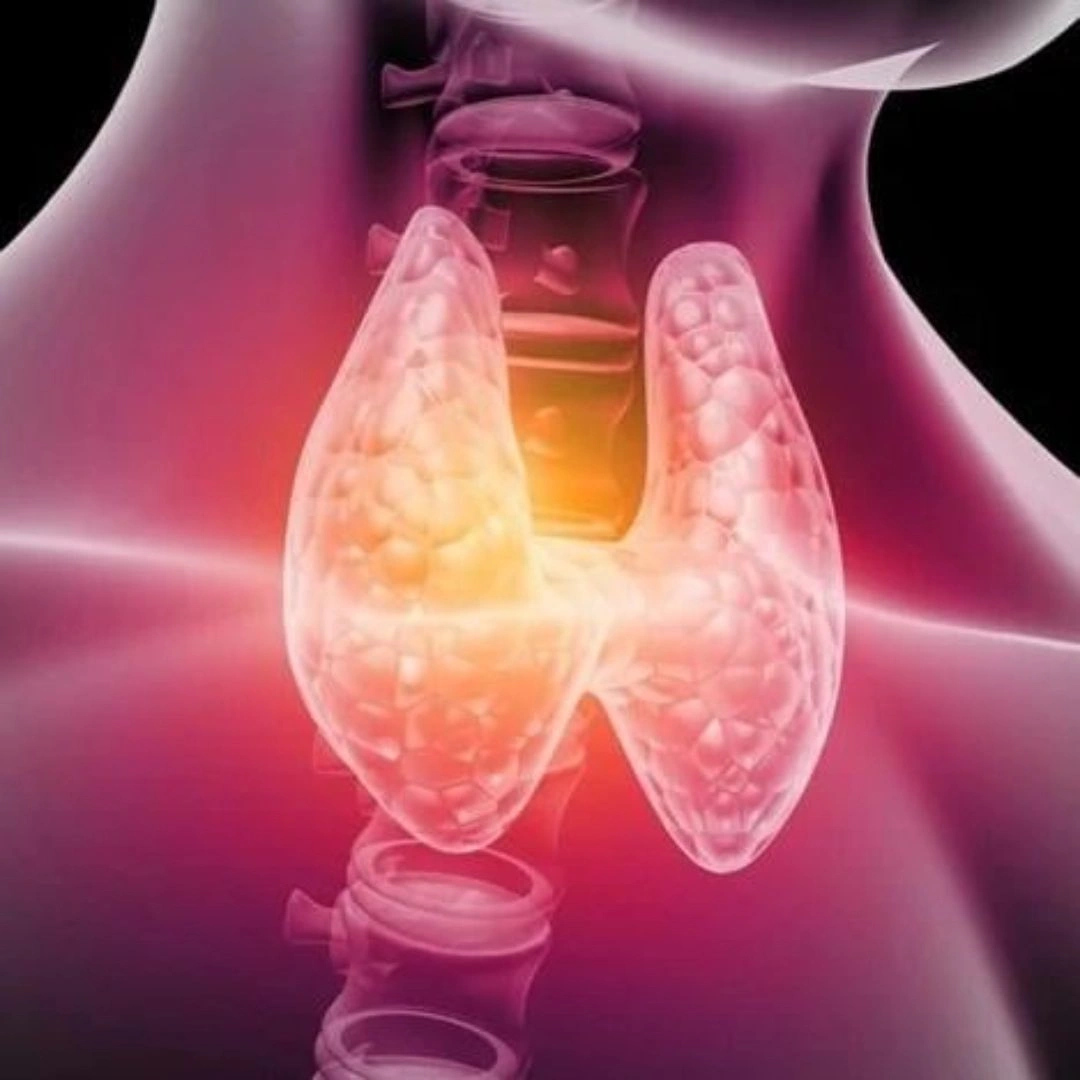
The Metanephrine – Plasma test measures the levels of metanephrines (metanephrine and normetanephrine) in the blood. Metanephrines are metabolites of adrenaline (epinephrine) and noradrenaline (norepinephrine), hormones released by the adrenal glands. Elevated levels can indicate tumors of the adrenal medulla, such as pheochromocytoma or paraganglioma, which cause excessive hormone production.
Uses
This test is used to help diagnose or rule out adrenal gland tumors like pheochromocytoma and paraganglioma. It may also be ordered to investigate unexplained high blood pressure, episodes of palpitations, sweating, headaches, and other symptoms linked to catecholamine excess. Plasma metanephrine testing is considered highly sensitive for detecting these conditions.
Symptoms That May Lead to the Test
Doctors may recommend this test if you experience sudden or persistent high blood pressure (especially in young patients), severe headaches, rapid heartbeat, sweating, tremors, anxiety, chest pain, or unexplained weight loss. It is also ordered if imaging studies suggest an adrenal or extra-adrenal mass.
Abnormal Results
High Plasma Metanephrines: May indicate pheochromocytoma, paraganglioma, or other conditions causing excess catecholamine release. False positives can occur due to stress, certain medications, caffeine, or strenuous exercise.
Normal or Low Plasma Metanephrines: Suggests no biochemical evidence of catecholamine-producing tumors. However, repeat testing or 24-hour urine metanephrine testing may be required if suspicion remains high.
Risks
The test requires a blood sample, usually drawn while the patient is resting in a calm environment to avoid false elevations. Risks are minimal and may include mild pain, bruising, or dizziness at the puncture site, which resolve quickly.


Reviews
There are no reviews yet.