Micro Nirogyam E Health Check-Up Package
What it is
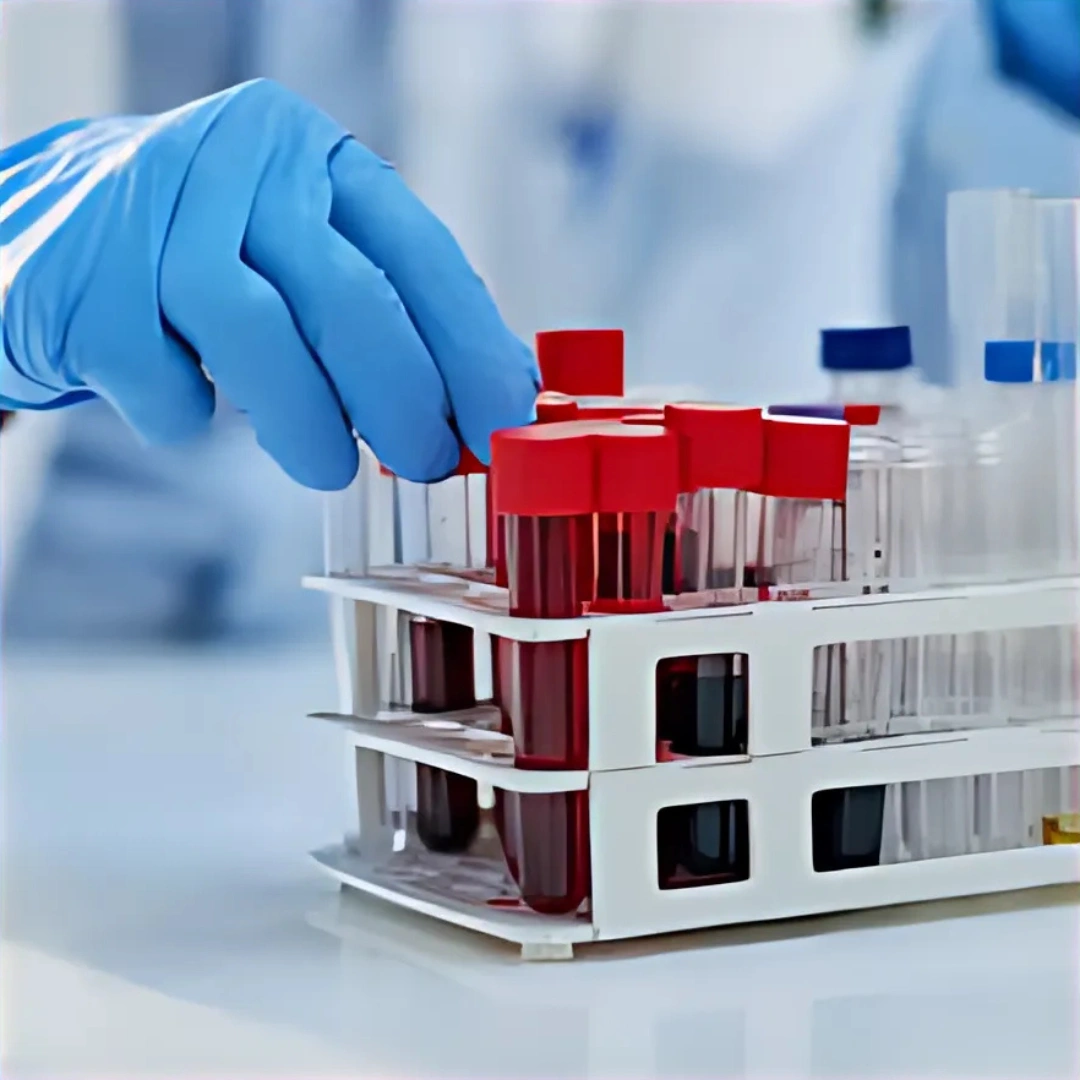
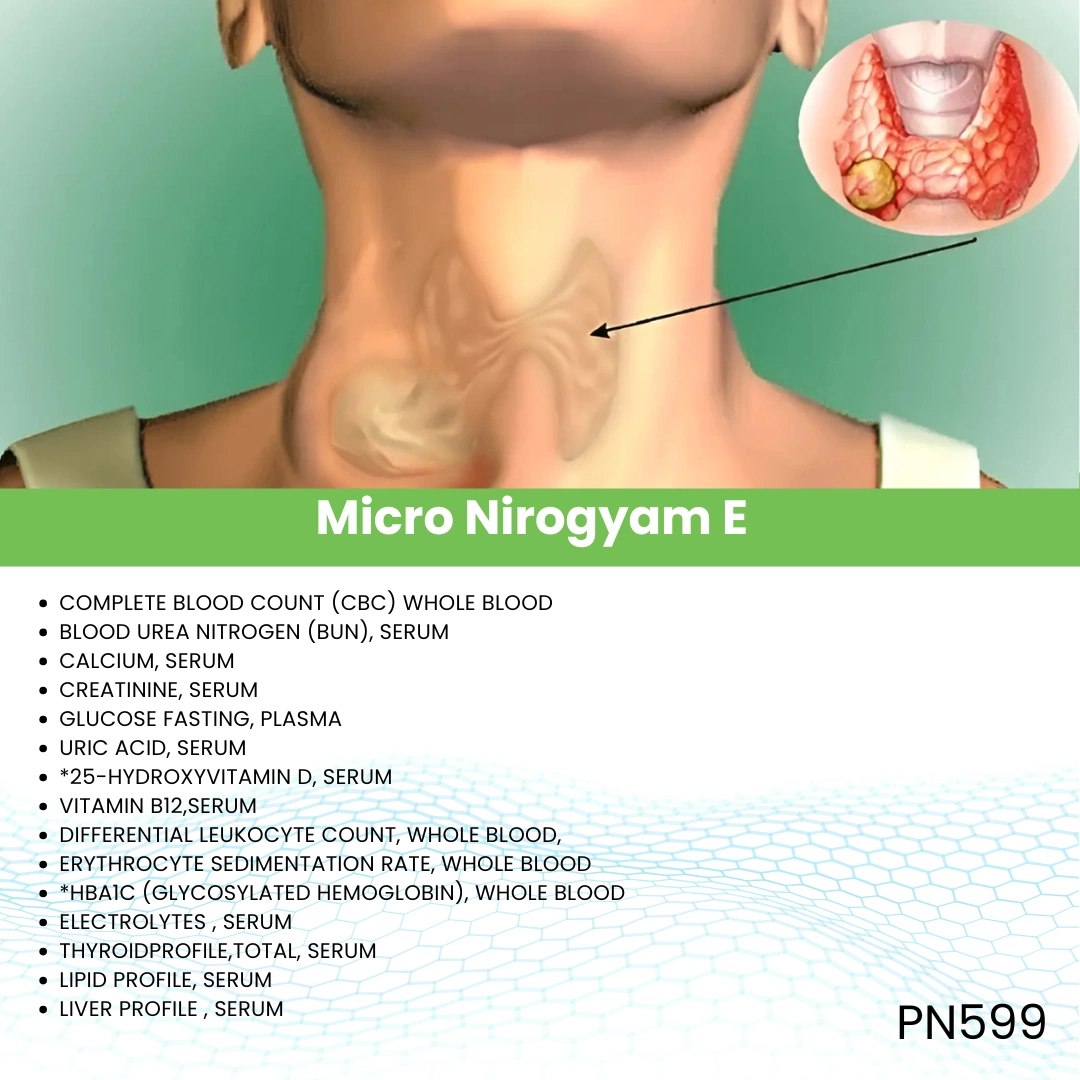
The Micro Nirogyam E package is a preventive health check-up panel offered by diagnostic laboratories. It includes a set of ~44 laboratory tests (blood, urine, sometimes imaging) that assess key body systems—like metabolism, kidney & liver function, heart risk, endocrinal status—to help detect early disease or health risk factors. :contentReference[oaicite:0]{index=0}
Uses
This check-up is used as a “baseline” health assessment for relatively healthy adults or those wanting to monitor their internal health. It’s useful for early detection of metabolic syndrome, diabetes risk, thyroid issues, kidney/liver stress, lipid (cholesterol) problems, and nutritional/hormonal imbalances. It helps doctors & patients plan lifestyle changes and possibly treatment, before serious disease develops. :contentReference[oaicite:1]{index=1}
Typical Tests Included / Parameters
Some of the common tests that are part of Nirogyam E include:
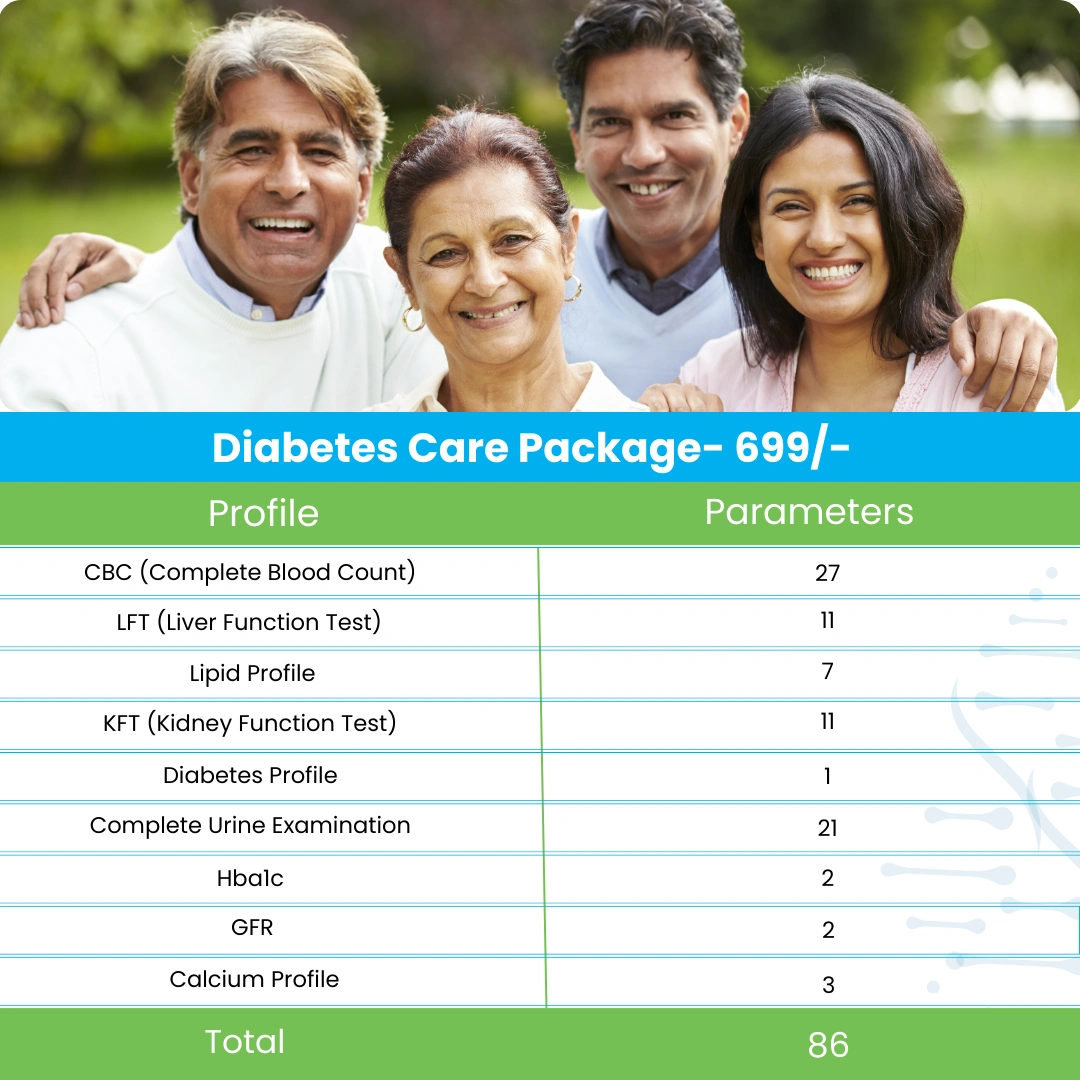
- Complete Blood Count (CBC) / Haemogram
- Liver Function Tests (LFT)
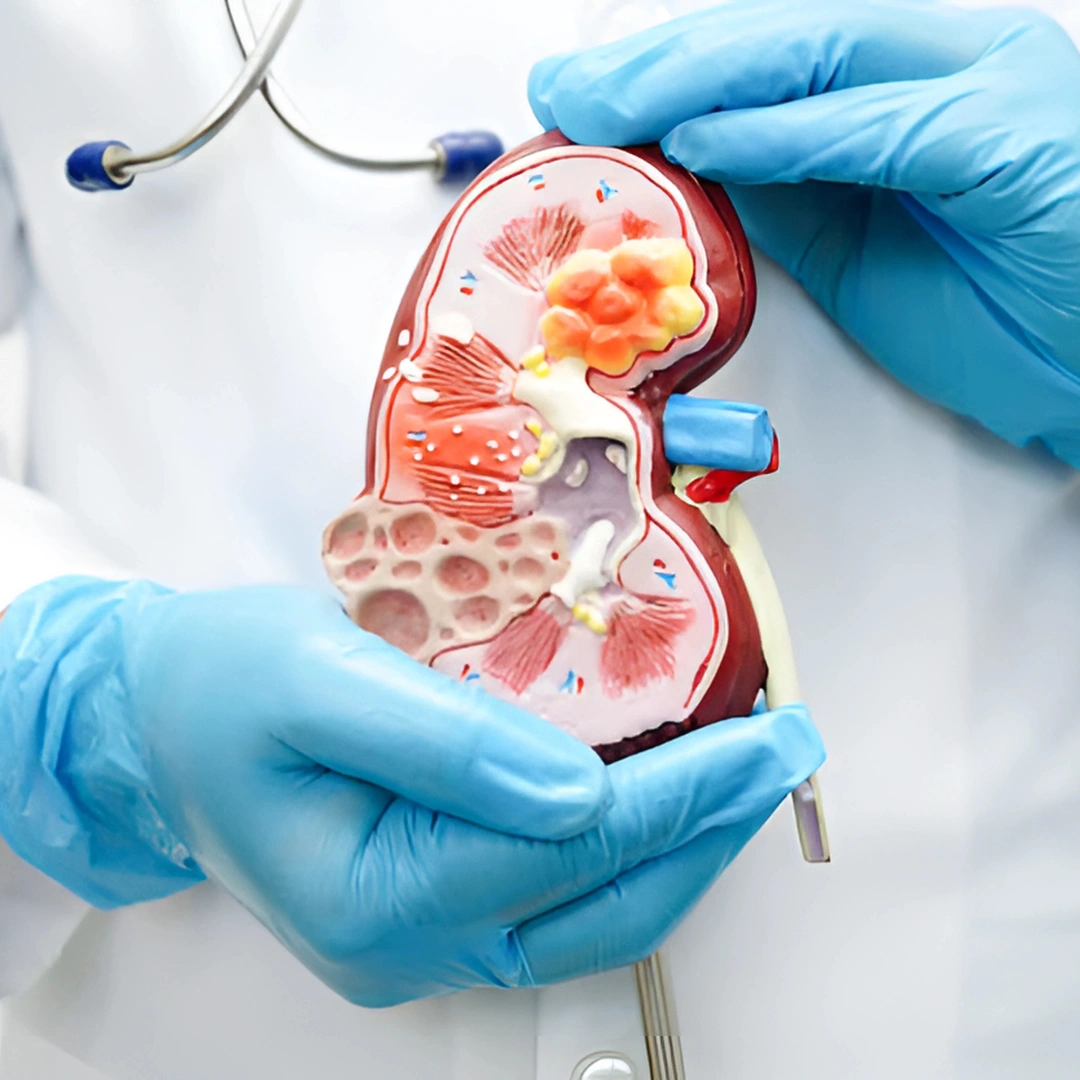
- Kidney Function Tests (KFT), possibly eGFR
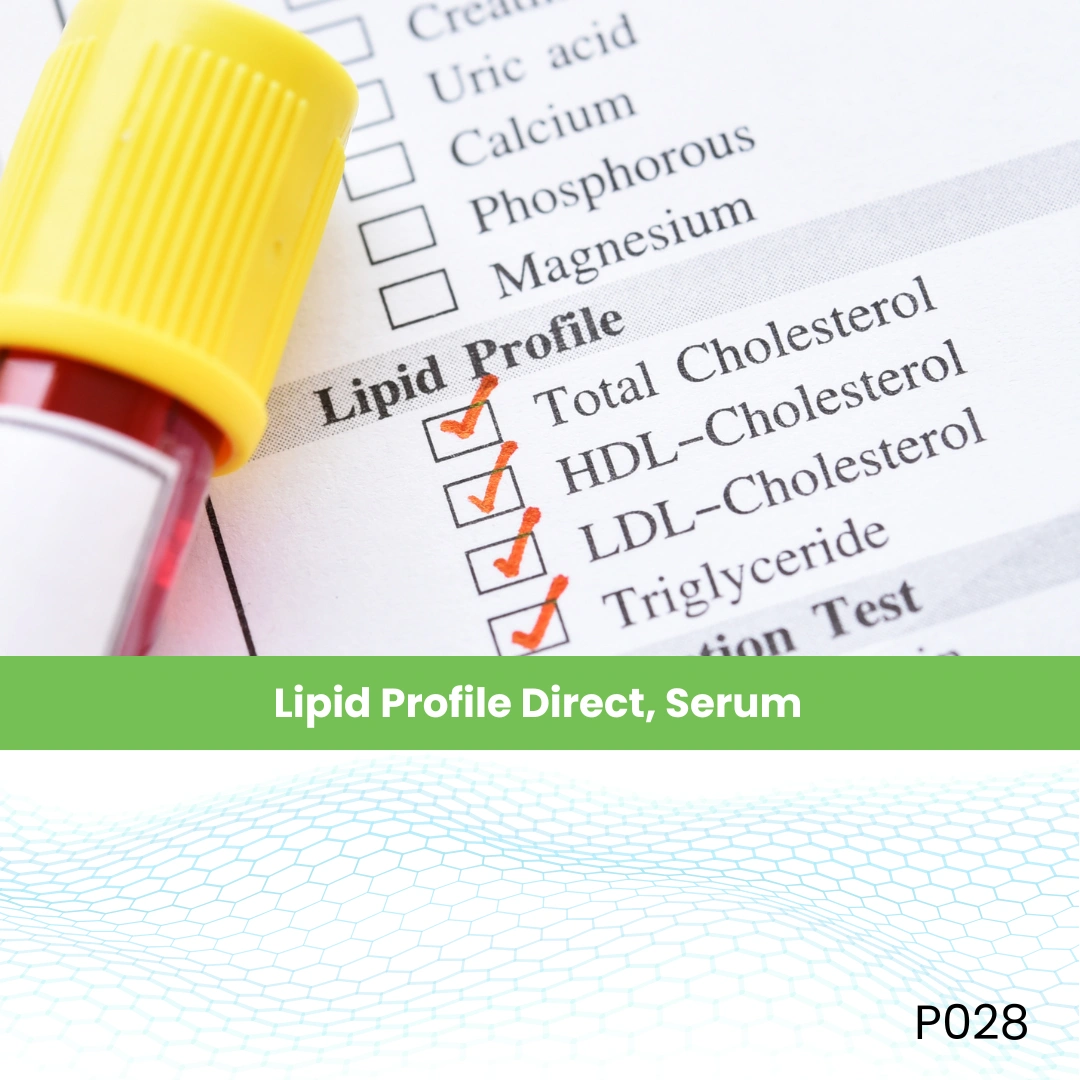
- Lipid Profile (cholesterol, triglycerides, etc.)
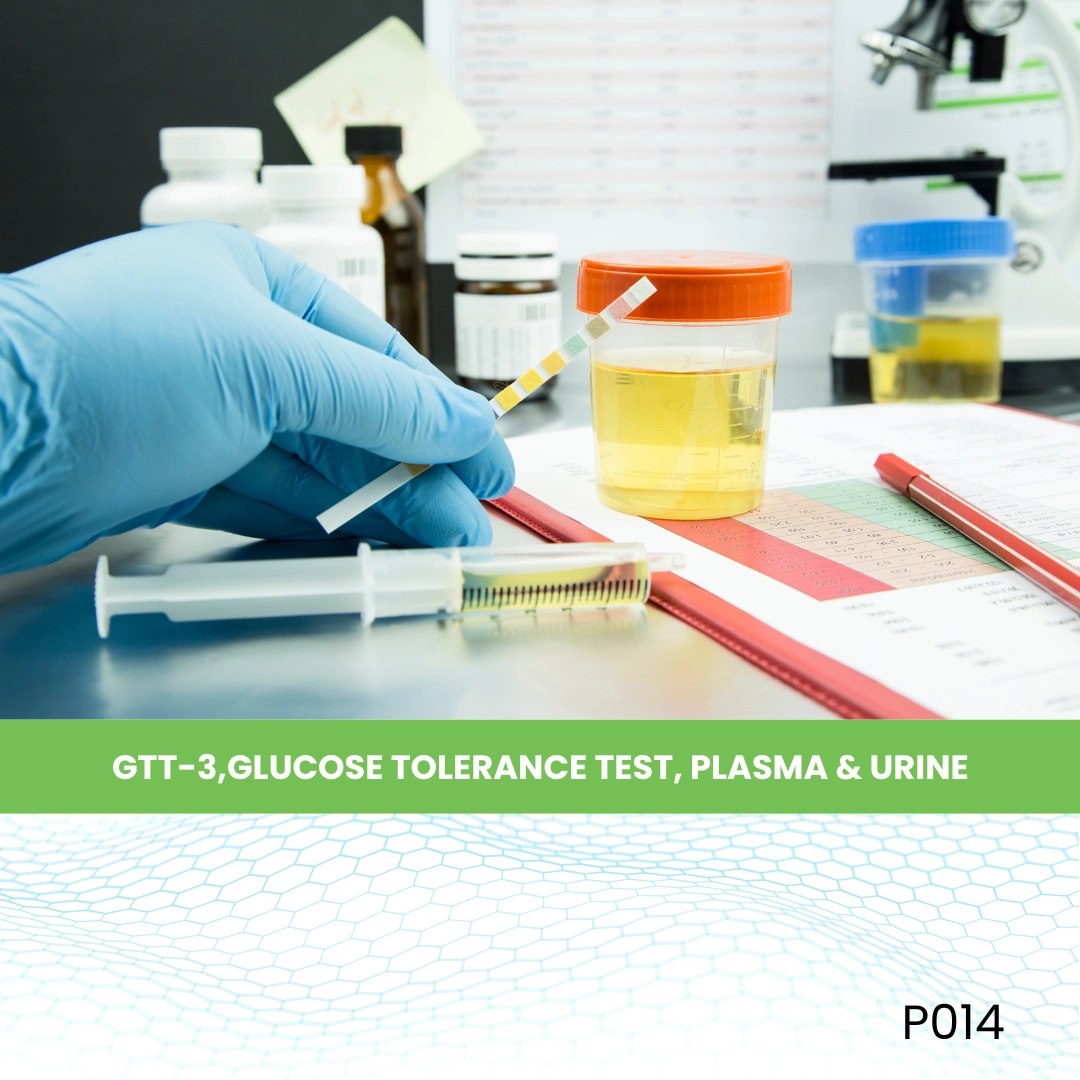
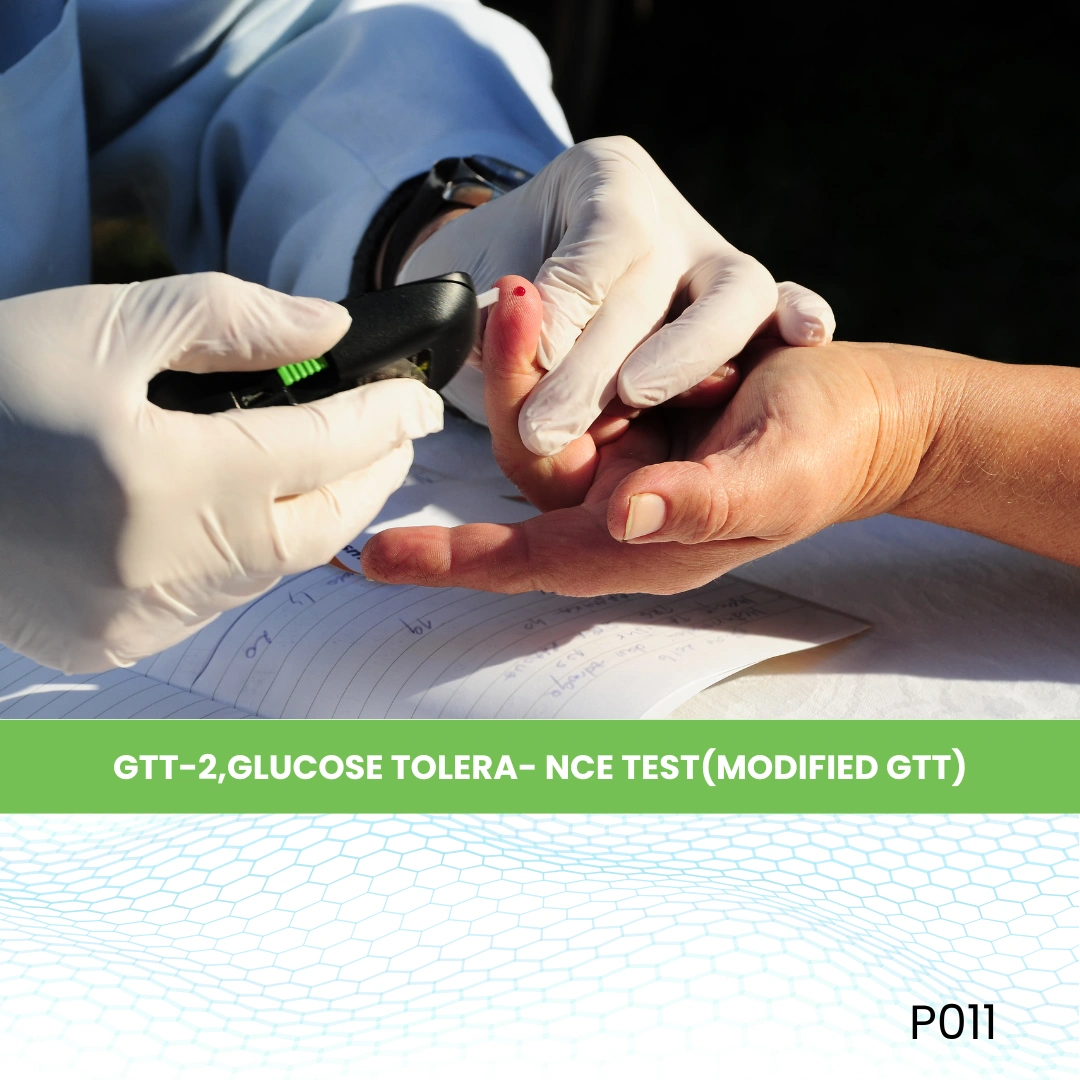
- Blood Sugar (fasting / maybe HbA1c)
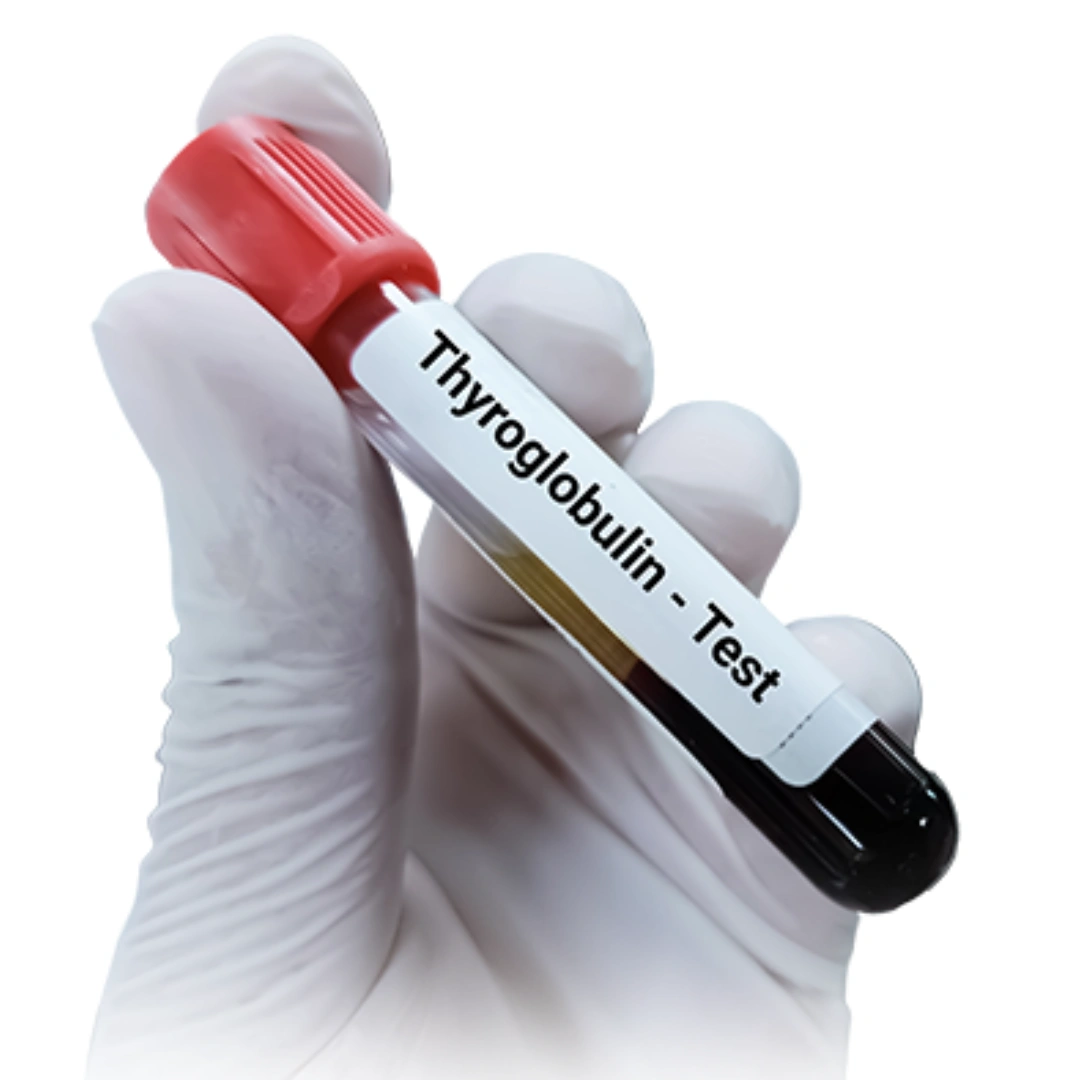
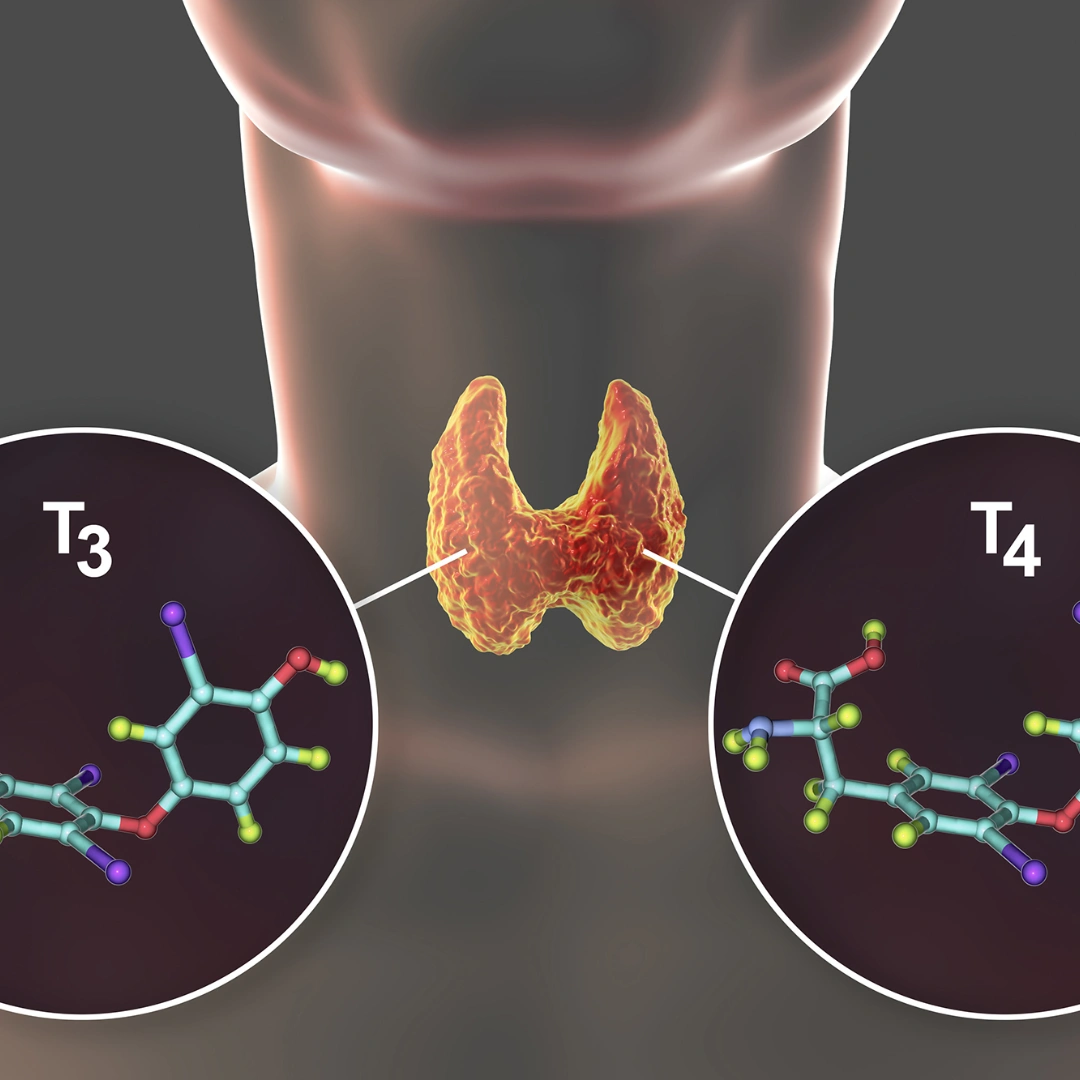
- Thyroid Profile (T3, T4, TSH)
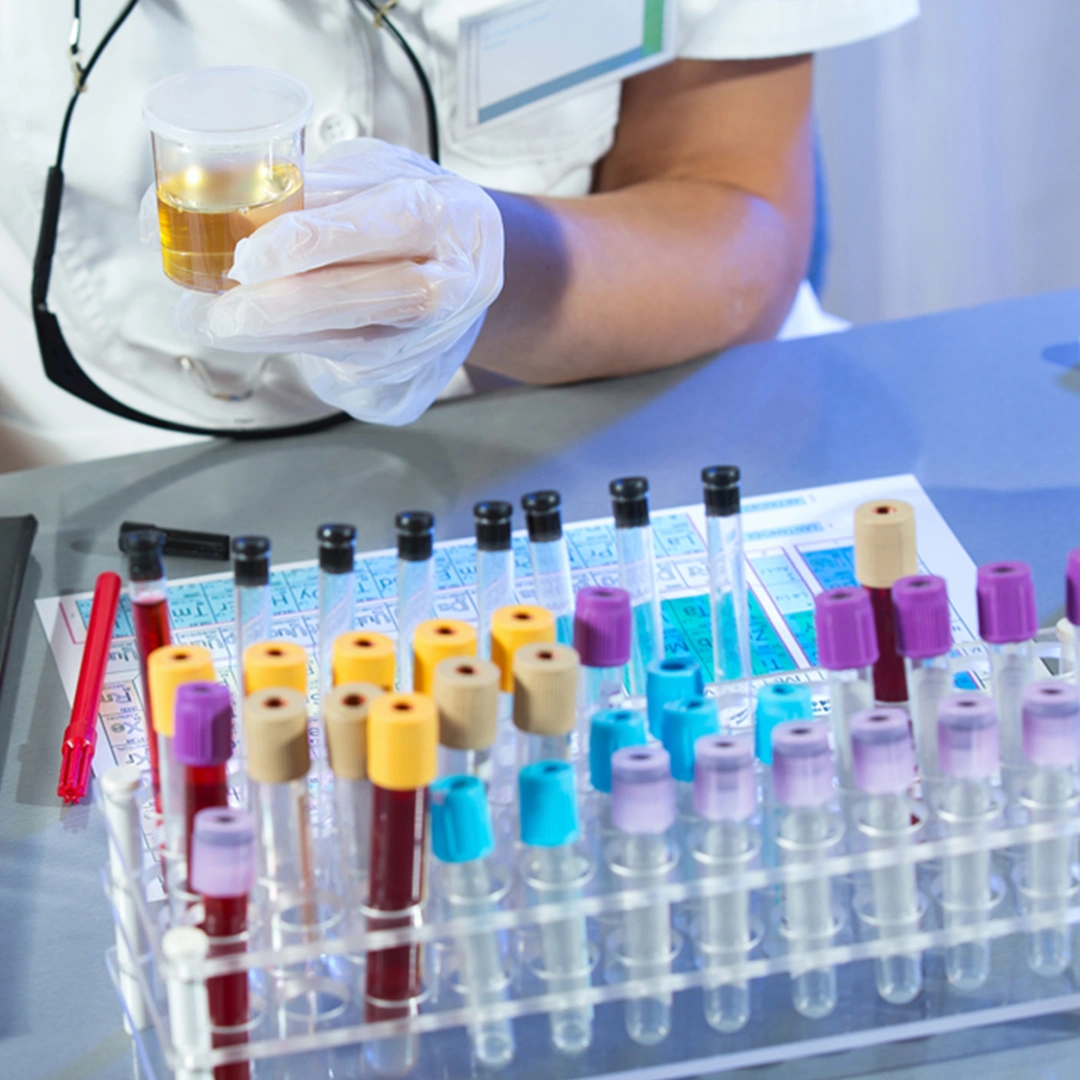
- Urine Routine Analysis
- Vitamin / Nutritional Markers (in some versions)
- Other metabolic & chemical parameters—electrolytes, etc. :contentReference[oaicite:2]{index=2}
Who should consider this package
This package is suitable for:
- Individuals without overt symptoms who want a general health check.
- People over certain age (often >30-40) as risk of metabolic / endocrine disease rises.
- Those with family histories of diabetes, heart disease, thyroid or kidney disease.
- People wanting to monitor lifestyle impact (diet, exercise, etc.).
Abnormal Results / Next Steps
What abnormal results might mean:
- Elevated blood sugar or HbA1c → risk of pre-diabetes / diabetes.
- Abnormal lipid profile → risk factor for cardiovascular disease.
- Abnormal kidney or liver tests → possible organ stress or disease.
- Thyroid abnormalities → under/over function of thyroid that can affect energy, weight, metabolism.
Next steps: Consult doctor to interpret results in context of medical history. May need further testing, lifestyle modifications (diet, exercise), medications if needed. Often done yearly or as advised.
Risks / Considerations
The risks are minimal: routine blood draws (slight pain, bruising, chance for fainting), handling of samples. Key considerations: test results should be interpreted by qualified professionals; occasionally false positives/negatives; results can vary based on recent diet, hydration, medications, and lab standards. Cost & time for sample collection (fasting required for some tests).


Reviews
There are no reviews yet.