Microalbumin / Creatinine Ratio (ACR)
What it is
The Microalbumin / Creatinine Ratio (ACR) test measures the amount of albumin (a protein) relative to creatinine in a urine sample. Creatinine adjustment helps account for variations in urine concentration, making the test more accurate than measuring albumin alone. Elevated ACR levels may indicate early kidney damage, often before other symptoms or standard urine tests detect abnormalities.
Uses
This test is primarily used to detect early signs of kidney disease, especially in people at risk due to diabetes, high blood pressure, or cardiovascular disease. It is also used to monitor kidney function over time and evaluate treatment effectiveness in patients with chronic kidney disease (CKD).
Symptoms That May Lead to the Test
Although kidney disease may not cause noticeable symptoms in the early stages, doctors may order this test if you have diabetes, hypertension, swelling in the feet or ankles, persistent fatigue, foamy urine, or a family history of kidney problems. It may also be included as part of a routine diabetic or hypertensive check-up.
Abnormal Results
High ACR (Microalbuminuria): Indicates increased albumin leakage into urine, suggesting early kidney damage. Moderately high levels may be reversible with treatment and lifestyle changes.
Very High ACR (Macroalbuminuria): Suggests more advanced kidney damage and higher risk of progression to chronic kidney disease.
Normal ACR: Indicates healthy kidney function, with little or no protein leakage.
Risks
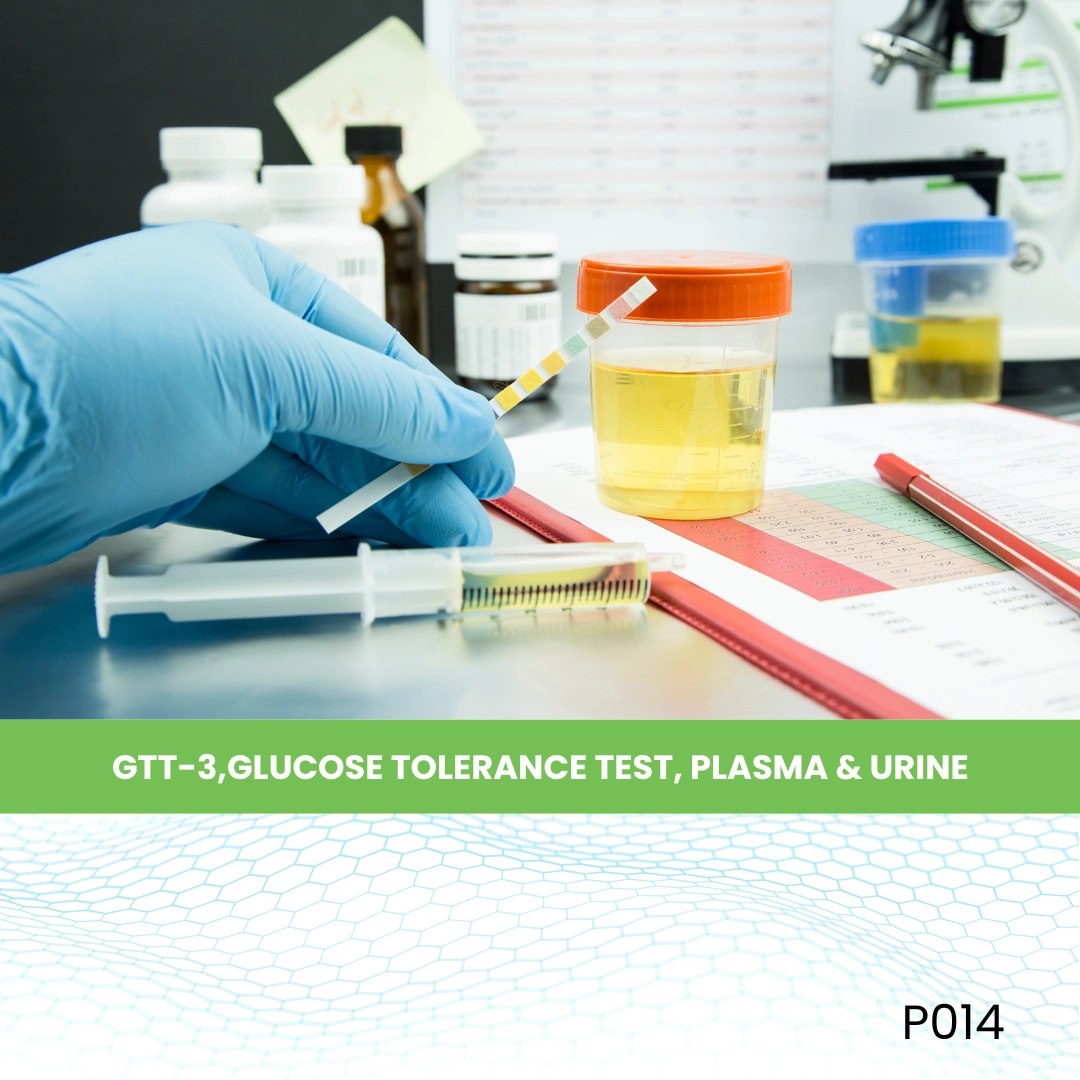
The test requires only a urine sample, either from a spot collection or a timed collection. It is safe, simple, and non-invasive, with no direct risks. Accuracy depends on proper collection and handling.


Reviews
There are no reviews yet.