Microfilaria Smear, Whole Blood
What it is
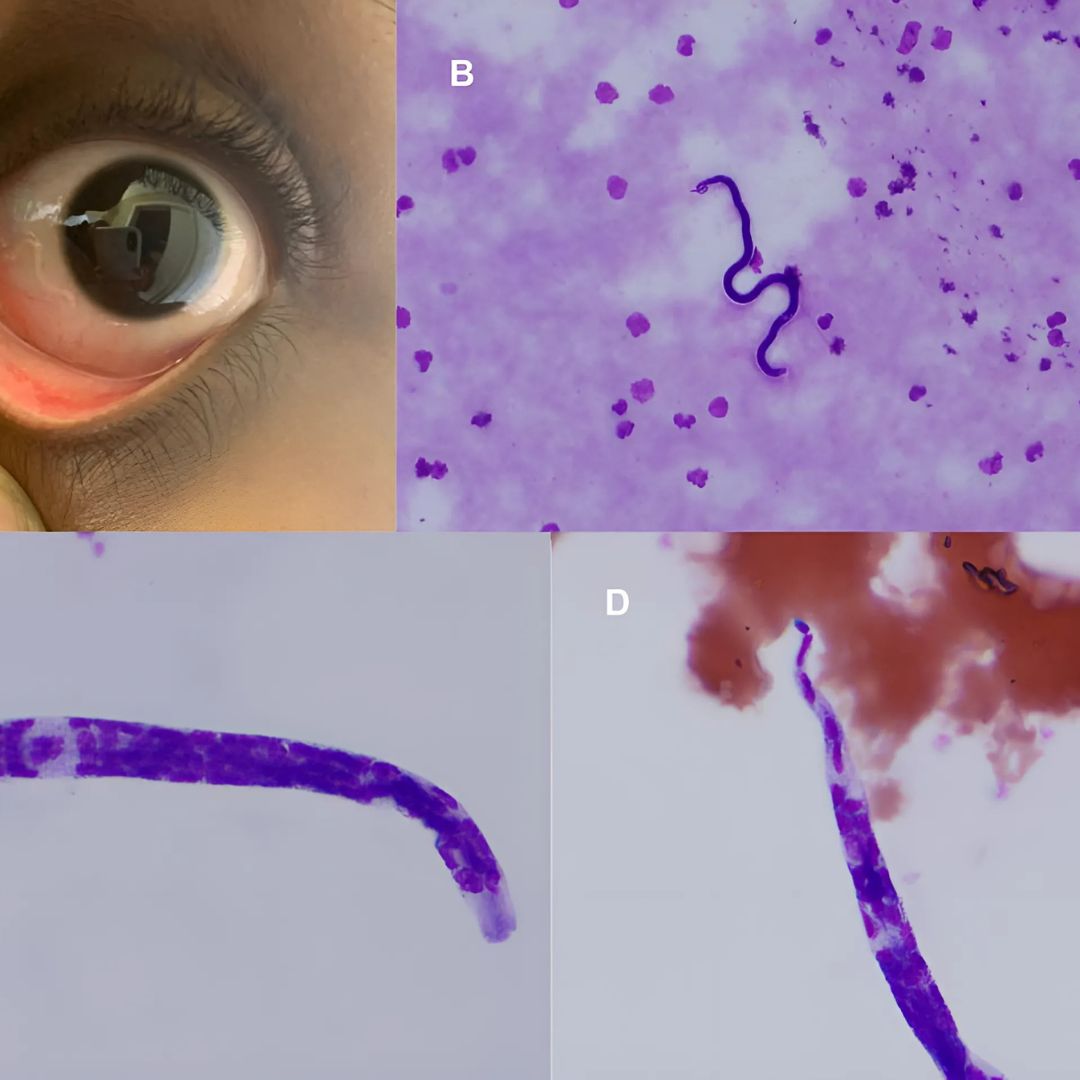
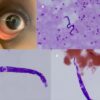
The Microfilaria Smear, Whole Blood test is a microscopic examination of a blood sample to detect microfilariae — the larval stage of parasitic worms such as Wuchereria bancrofti, Brugia malayi, and Brugia timori. These parasites cause lymphatic filariasis, commonly known as filaria. The smear is usually prepared from capillary or venous blood and stained for easier visualization of the worms under a microscope.
Uses
This test is used to diagnose lymphatic filariasis, monitor treatment effectiveness, and support epidemiological studies in endemic areas. It helps confirm infection in patients with suggestive symptoms and differentiate filarial infections from other causes of swelling or fever.
Symptoms That May Lead to the Test
A doctor may order this test if you present with symptoms such as unexplained fever (especially at night), recurrent chills, lymph node swelling, swelling of limbs or genitals (lymphedema, elephantiasis), fatigue, or a history of exposure in filariasis-endemic regions.
Abnormal Results
Positive Smear: Confirms the presence of microfilariae in the blood, indicating active infection with filarial parasites.
Negative Smear: Suggests absence of detectable infection. However, a negative result does not always rule out filariasis since microfilariae may circulate intermittently. Further tests such as antigen detection or molecular methods may be needed.
Risks
The test requires a standard blood sample, with minimal risks such as mild pain, bruising, or dizziness at the puncture site. No significant long-term risks are associated with this test.


Reviews
There are no reviews yet.