MuSK Antibody (Muscle-Specific Kinase Antibody, MuSK Ab)
What it is
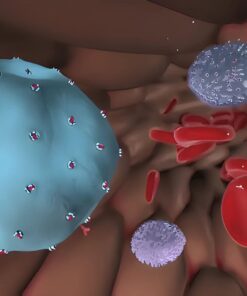
The MuSK Antibody test detects autoantibodies directed against muscle-specific kinase (MuSK), a protein essential for communication between nerves and muscles. These antibodies are associated with a subset of generalized myasthenia gravis (MG), an autoimmune neuromuscular disorder that causes fluctuating muscle weakness. Unlike the more common acetylcholine receptor (AChR) antibodies, MuSK antibodies are found in a smaller group of patients, often with distinct clinical features.
Uses
This test is used to confirm or support the diagnosis of myasthenia gravis in patients who test negative for AChR antibodies but still have symptoms suggestive of MG. It helps distinguish MuSK-positive MG from other neuromuscular conditions and guides appropriate treatment, as these patients often respond differently to standard therapies.
Symptoms That May Lead to the Test
A doctor may order the MuSK antibody test if you experience symptoms such as fluctuating muscle weakness, drooping eyelids (ptosis), double vision, difficulty swallowing, slurred speech, neck weakness, or generalized fatigue. Patients with MuSK-positive MG often present with bulbar weakness (affecting speech and swallowing) and may have more severe symptoms than those with AChR-positive MG.
Abnormal Results
Positive MuSK Antibody: Strongly suggests the presence of MuSK-positive myasthenia gravis. This form of MG may require specific treatment strategies, such as immunosuppressive therapy, since response to acetylcholinesterase inhibitors may be limited.
Negative MuSK Antibody: Suggests that MuSK-associated MG is unlikely, although other antibody types (AChR, LRP4) or seronegative MG should be considered depending on symptoms and clinical findings.
Risks
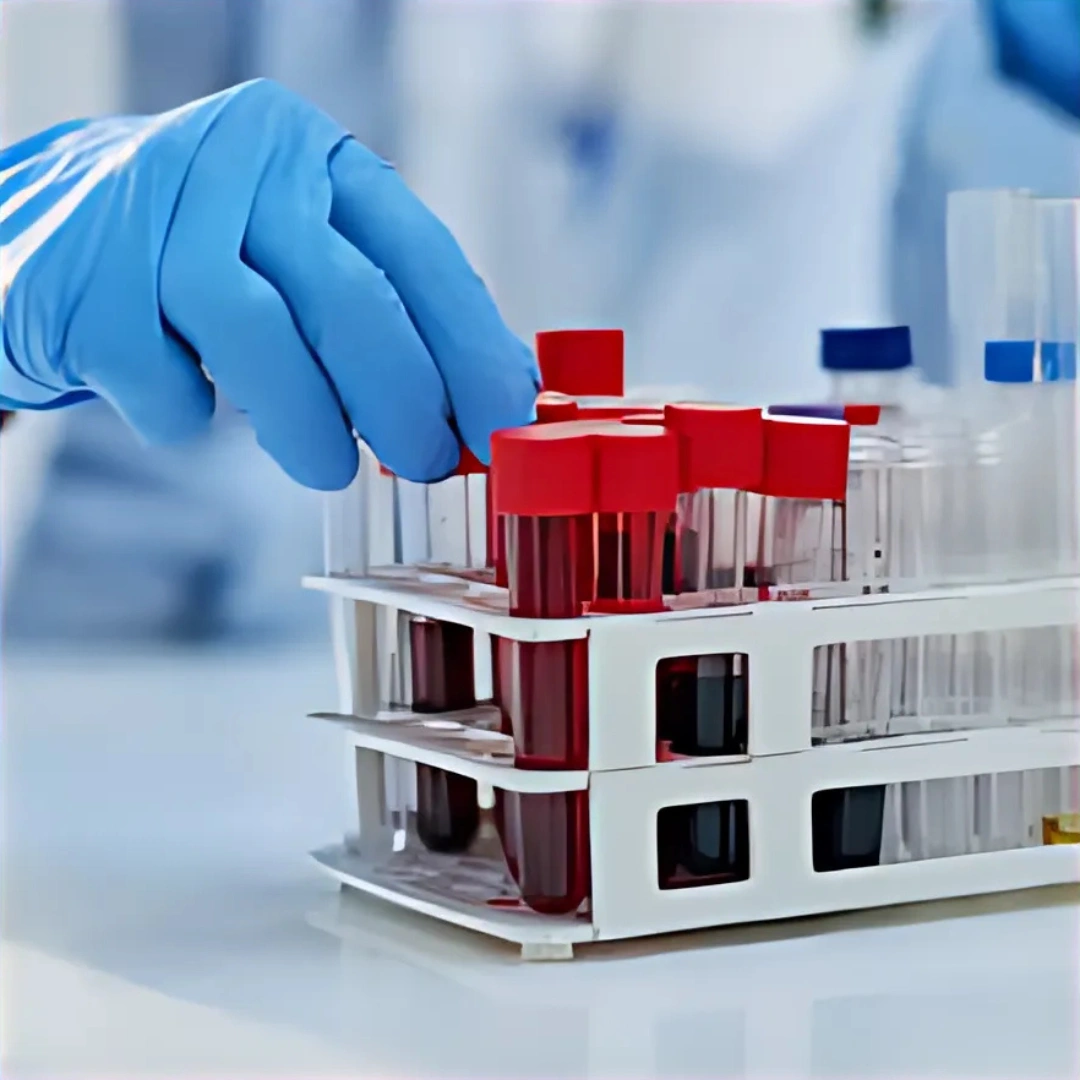
The test requires a standard blood draw. Risks are minimal and limited to mild pain, bruising, or lightheadedness at the puncture site, all of which usually resolve quickly.


Reviews
There are no reviews yet.