NIPT Test (Maternal Blood)
What it is
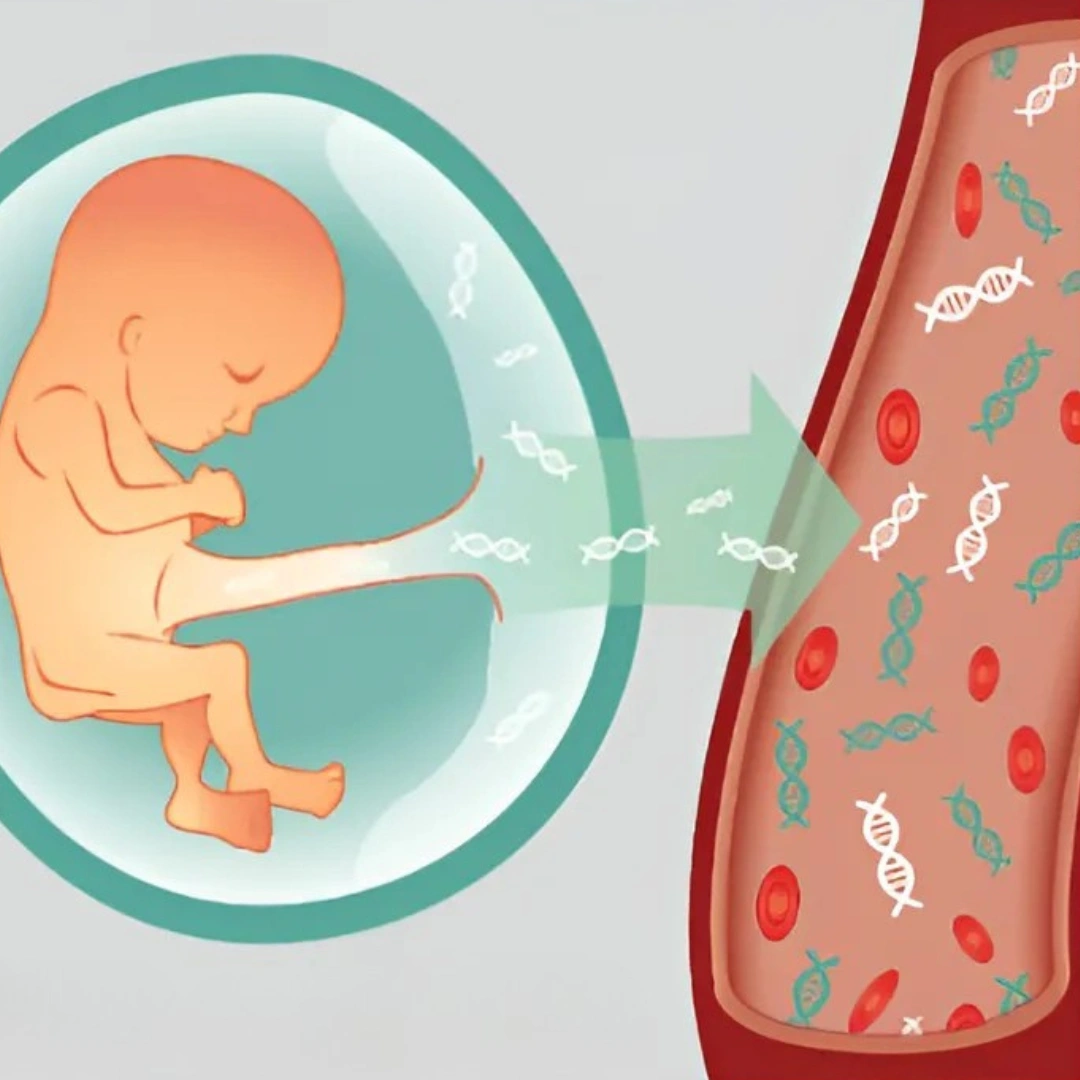
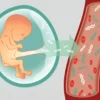
The Non-Invasive Prenatal Test (NIPT) is a blood test performed on pregnant women to screen for certain genetic conditions in the developing baby. It analyzes small fragments of fetal DNA circulating in the mother’s blood to detect chromosomal abnormalities such as Down syndrome (trisomy 21), Edwards syndrome (trisomy 18), Patau syndrome (trisomy 13), and sex chromosome abnormalities. Since it is non-invasive, it poses no risk to the baby, unlike invasive procedures such as amniocentesis or chorionic villus sampling.
Uses
NIPT is used as a prenatal screening tool to estimate the risk of common chromosomal disorders. It can also determine the baby’s sex and sometimes detect other conditions depending on the test type. It is most often recommended for women at increased risk of chromosomal abnormalities, such as advanced maternal age, abnormal ultrasound findings, or a family history of genetic conditions.
Symptoms That May Lead to the Test
NIPT is not ordered based on symptoms but rather on risk factors. Doctors may recommend it if the mother is over 35 years old, has abnormal results from first-trimester screening, has had a previous pregnancy affected by chromosomal abnormalities, or if there is a family history of genetic disorders.
Abnormal Results
High-Risk Result: Suggests the baby has an increased chance of having a chromosomal abnormality. However, NIPT is a screening test, not a diagnostic test. Confirmatory testing (amniocentesis or CVS) is required for a definitive diagnosis.
Low-Risk Result: Suggests that the baby is unlikely to have the tested conditions, though it does not completely rule them out.
Risks
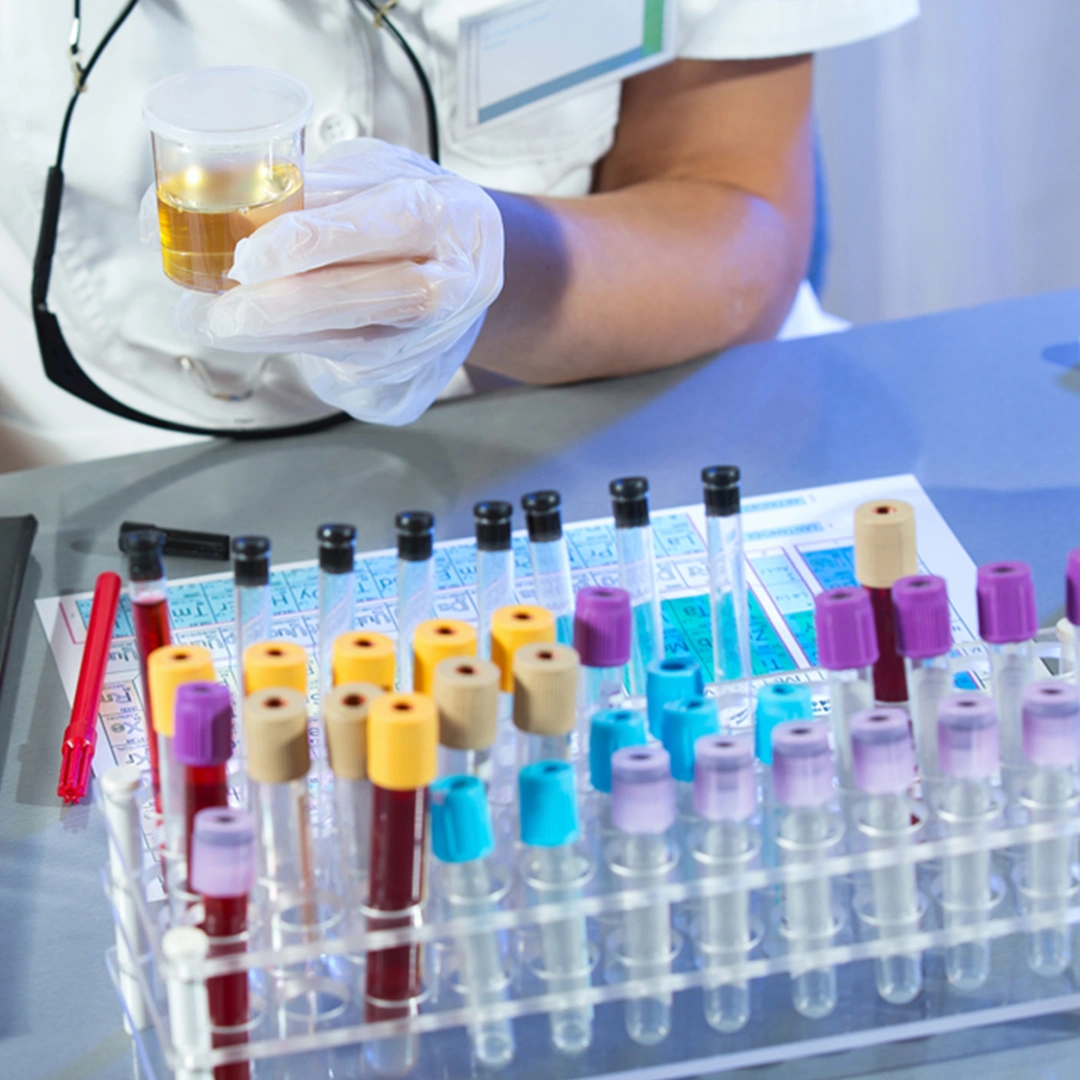
The NIPT requires only a maternal blood sample, making it safe for both mother and baby. Risks are minimal and limited to those associated with a standard blood draw, such as mild pain, bruising, or dizziness at the puncture site.


Reviews
There are no reviews yet.