NMDA Profile, Serum
What it is
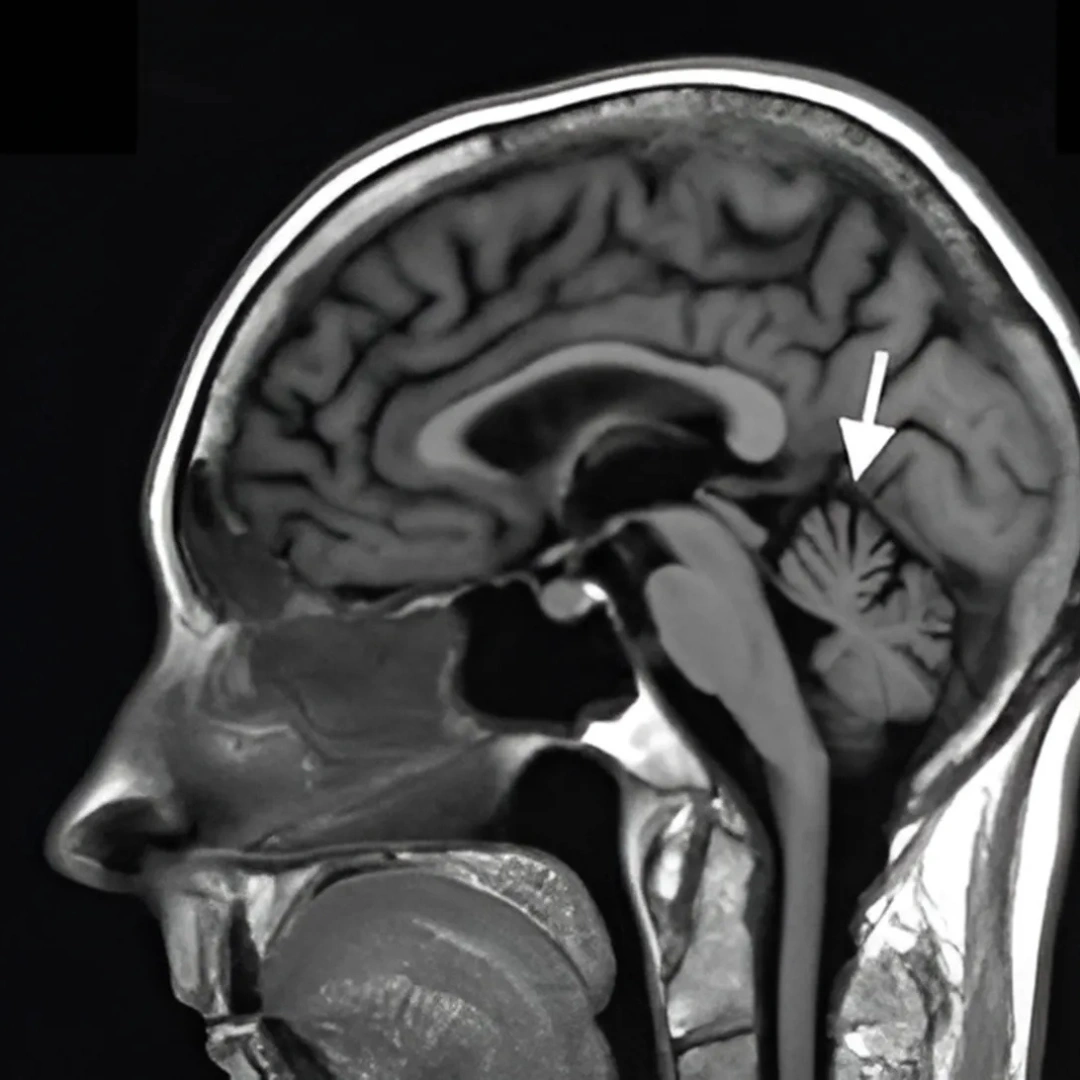
The NMDA Profile, Serum test detects antibodies against N-methyl-D-aspartate (NMDA) receptors in the blood. These antibodies are associated with autoimmune encephalitis, a serious neurological condition in which the immune system attacks NMDA receptors in the brain. While cerebrospinal fluid (CSF) testing is considered more specific, serum antibody testing is often used as an initial and less invasive screening method.
Uses
This test is used to help diagnose NMDA receptor encephalitis and related autoimmune neurological disorders. It is also helpful in monitoring patients with suspected autoimmune encephalitis, guiding further confirmatory CSF testing, and assessing treatment response during follow-up.
Symptoms That May Lead to the Test
Doctors may recommend the NMDA Profile, Serum test if you present with sudden psychiatric changes, confusion, hallucinations, memory loss, seizures, abnormal movements, difficulty speaking, or unexplained altered consciousness. It is often ordered when common causes such as infections or metabolic conditions are ruled out.
Abnormal Results
Positive NMDA Receptor Antibodies: Suggest autoimmune encephalitis, especially when supported by clinical findings. A positive serum result often requires confirmation with a CSF NMDA antibody test for higher diagnostic accuracy.
Negative Result: Suggests no NMDA receptor antibodies detected. However, since some cases may only be positive in CSF, a lumbar puncture may still be advised if symptoms strongly suggest NMDA receptor encephalitis.
Risks
The test requires a routine blood draw. Risks are minimal and may include mild pain, bruising, or dizziness at the puncture site. Serious complications are extremely rare compared to CSF testing, making it a safer initial option.


Reviews
There are no reviews yet.