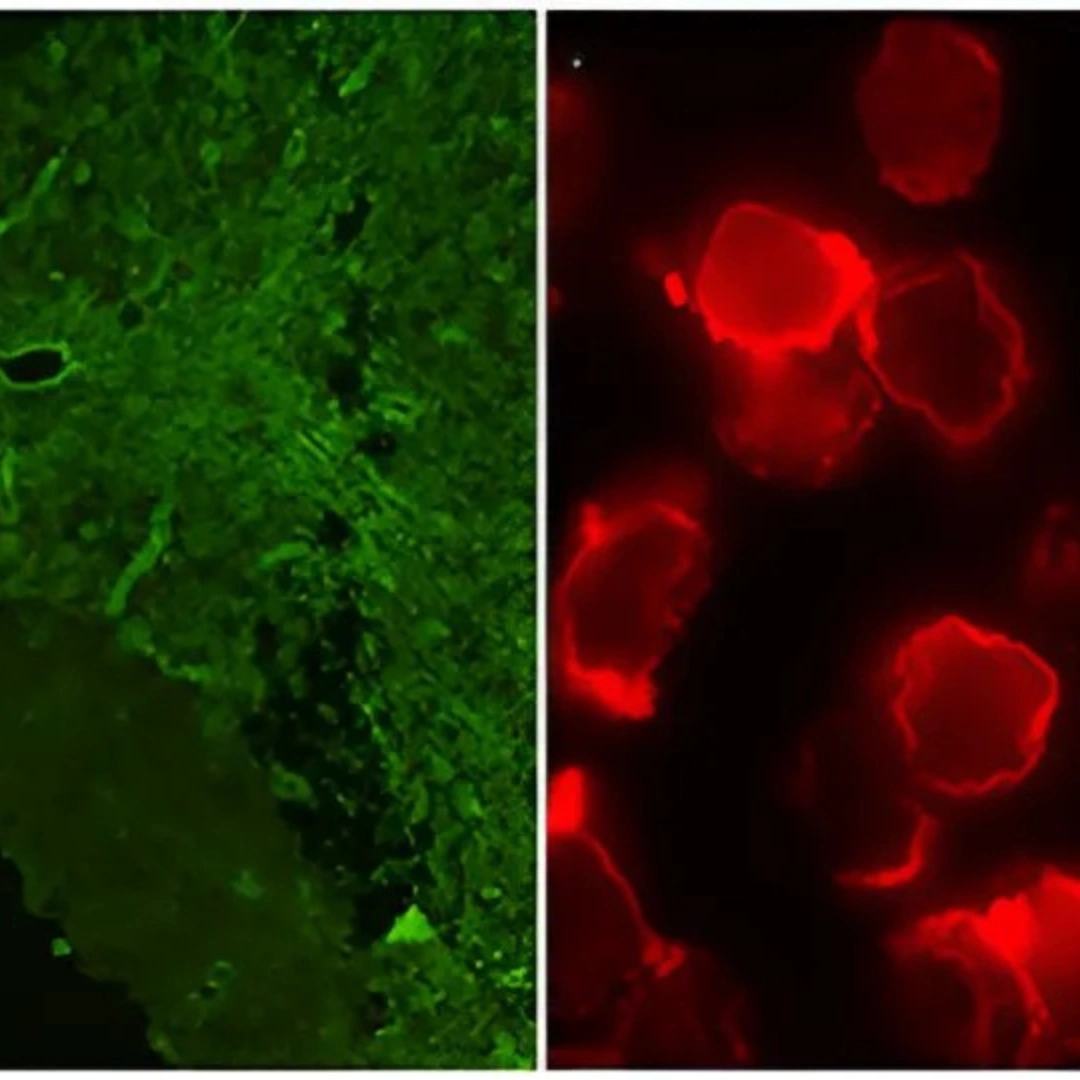
NMO (Aquaporin-4) IgG, Serum
What it is
The NMO (Aquaporin-4) IgG, Serum test detects antibodies against aquaporin-4, a water channel protein found in the central nervous system. These antibodies are highly specific markers for Neuromyelitis Optica Spectrum Disorder (NMOSD), a rare autoimmune condition that primarily affects the optic nerves and spinal cord. Testing for AQP4-IgG in the blood helps distinguish NMOSD from multiple sclerosis (MS) and other demyelinating diseases.
Uses
This test is used to diagnose NMOSD, differentiate it from MS, and guide treatment decisions. It is also used to monitor disease progression and predict relapse risk. Since NMOSD often requires different therapies than MS, accurate diagnosis with this antibody test is crucial.
Symptoms That May Lead to the Test
Doctors may recommend the NMO (Aquaporin-4) IgG test if you experience symptoms such as sudden vision loss, eye pain, weakness or paralysis in the limbs, frequent vomiting or hiccups, loss of bladder/bowel control, or episodes of transverse myelitis. It is especially advised for patients with recurrent optic neuritis or spinal cord inflammation where MS is suspected but not confirmed.
Abnormal Results
Positive Aquaporin-4 IgG: Strongly supports the diagnosis of NMOSD. A positive result helps doctors confirm autoimmune involvement and tailor treatment with immunosuppressive or biologic therapies.
Negative Aquaporin-4 IgG: Suggests that NMOSD is less likely. However, some patients may test negative and still have NMOSD, in which case further antibody testing (such as MOG-IgG) or imaging may be recommended.
Risks
The test requires a routine blood sample. Risks are minimal, including slight pain, bruising, or dizziness at the puncture site. Serious complications are extremely rare.


Reviews
There are no reviews yet.