P-ANCA
What it is
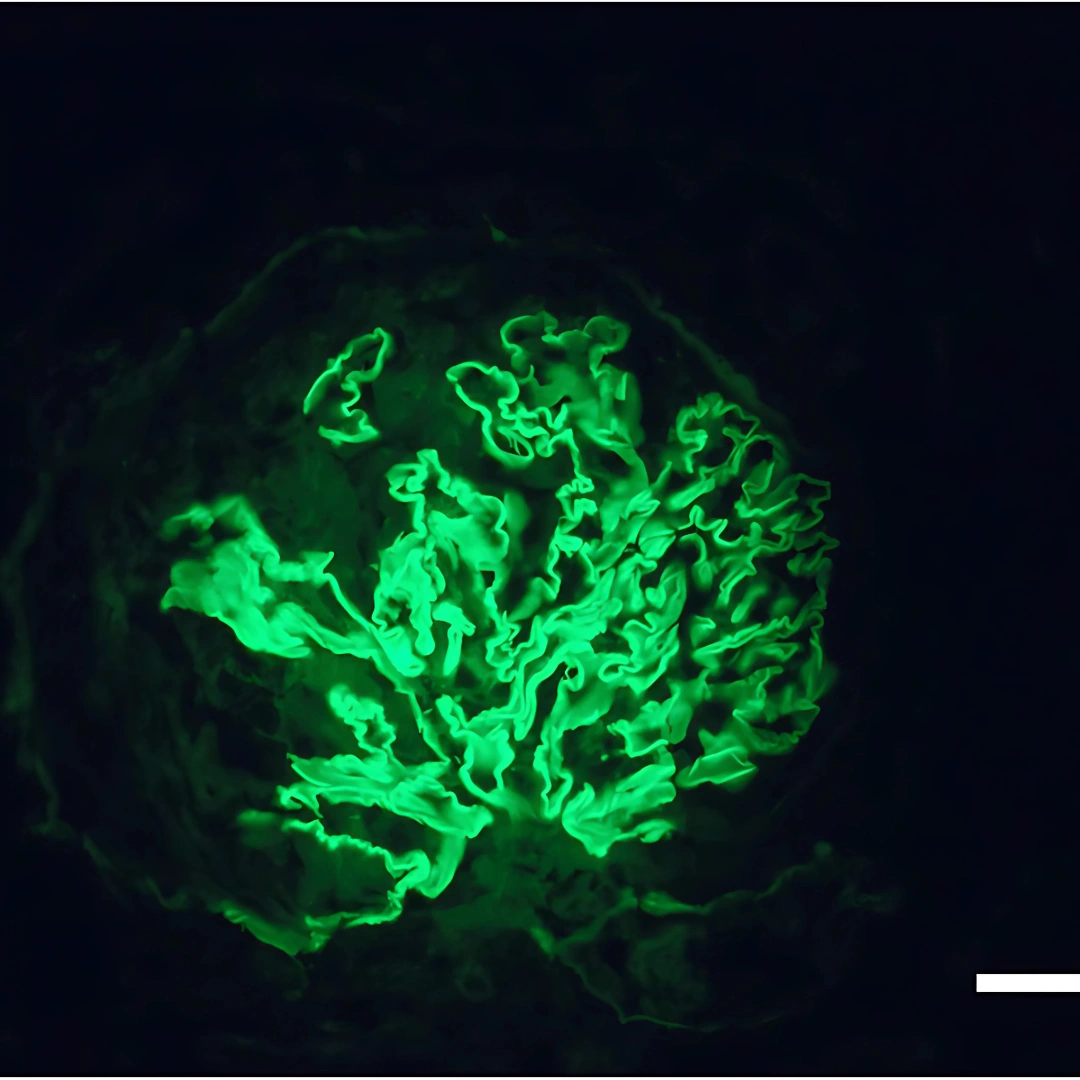
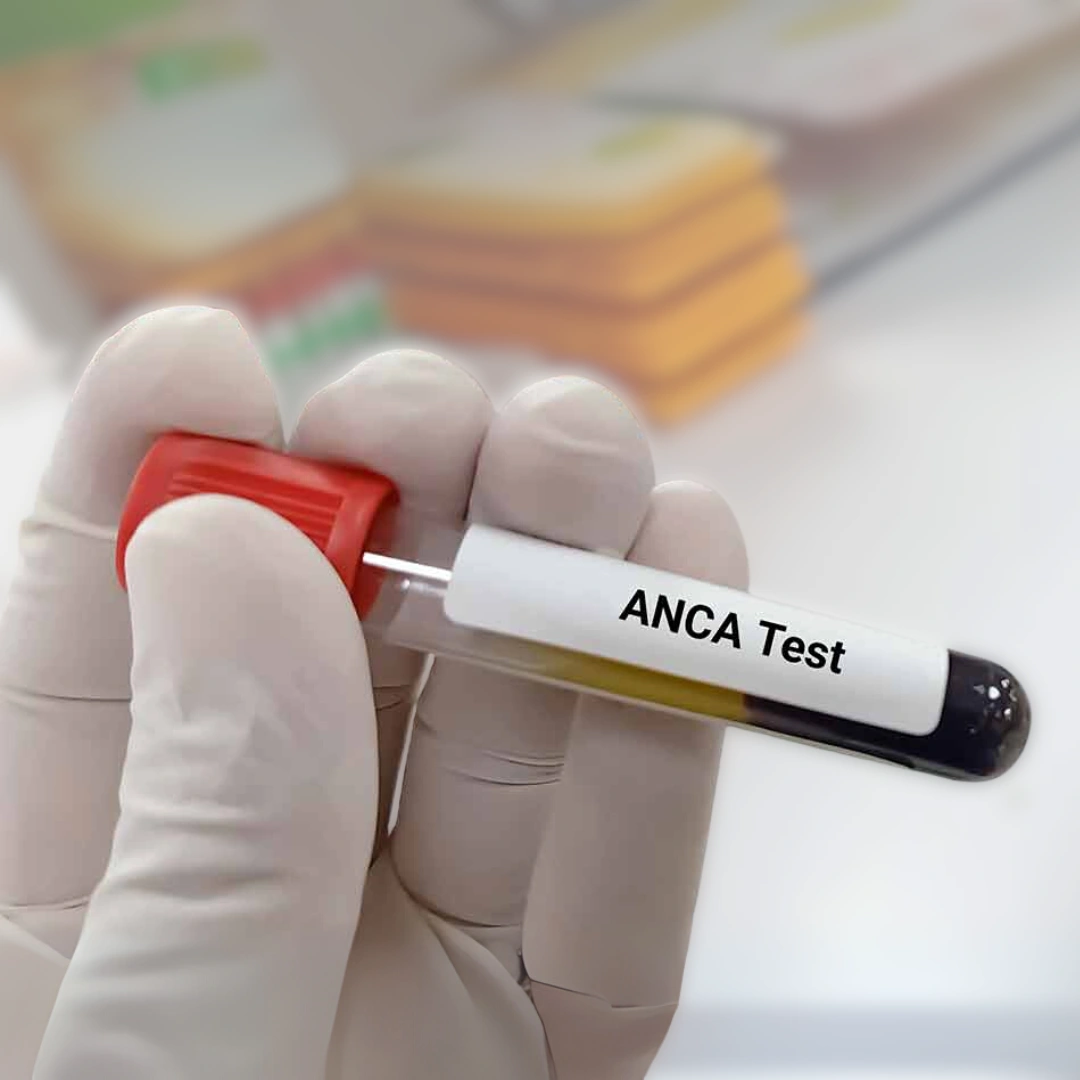
The P-ANCA (Perinuclear Anti-Neutrophil Cytoplasmic Antibodies) test detects specific autoantibodies in the blood that target proteins within neutrophils, a type of white blood cell. P-ANCA is commonly associated with autoimmune conditions, especially certain types of vasculitis (blood vessel inflammation) and inflammatory bowel disease. It is often performed alongside C-ANCA testing to help identify the underlying autoimmune disorder.
Uses
This test is primarily used to help diagnose autoimmune vasculitis, such as microscopic polyangiitis (MPA), eosinophilic granulomatosis with polyangiitis (EGPA), and sometimes ulcerative colitis. It may also help differentiate between inflammatory bowel diseases like ulcerative colitis and Crohn’s disease. Doctors often order P-ANCA along with other blood and imaging tests for accurate diagnosis.
Symptoms That May Lead to the Test
Doctors may recommend the P-ANCA test if you show symptoms such as persistent sinus infections, asthma, coughing up blood, kidney inflammation, skin rashes, abdominal pain, bloody diarrhea, or unexplained weight loss. It is especially considered if vasculitis or autoimmune bowel disease is suspected.
Abnormal Results
Positive P-ANCA: May indicate autoimmune conditions such as microscopic polyangiitis, eosinophilic granulomatosis with polyangiitis, ulcerative colitis, or primary sclerosing cholangitis. However, P-ANCA is not disease-specific and must be interpreted along with other clinical findings.
Negative P-ANCA: Suggests the absence of P-ANCA-associated autoimmune activity, though it does not completely rule out autoimmune disease.
Risks
The test requires a simple blood sample. Risks are minimal and limited to mild pain, bruising, or dizziness at the puncture site. Serious complications are extremely rare.


Reviews
There are no reviews yet.