P1NP (Total)
What it is
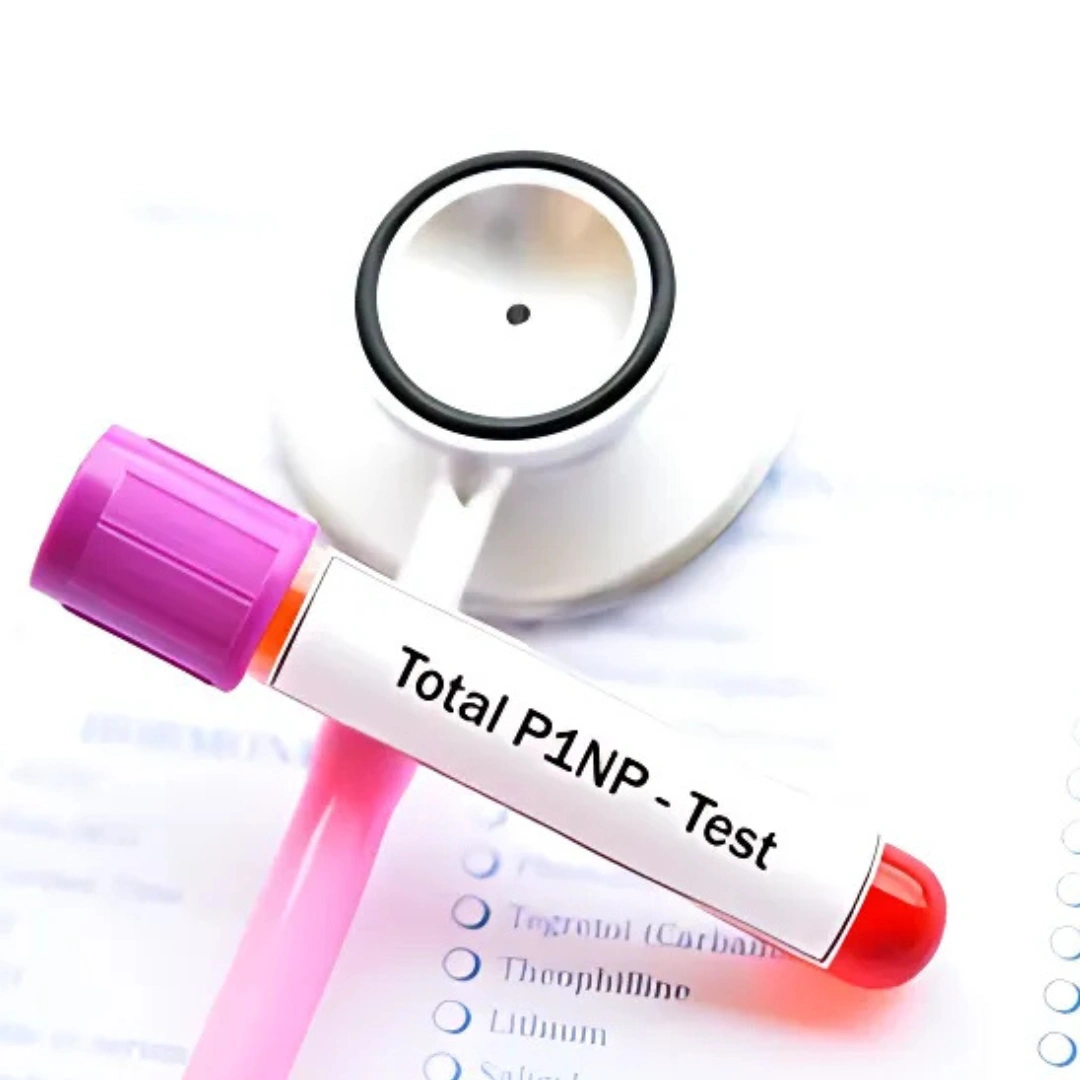
The P1NP (Procollagen Type 1 N-Terminal Propeptide) test measures the level of a collagen precursor released into the blood during bone formation. Since type I collagen is the primary protein in bone, P1NP serves as a reliable marker of bone formation and turnover. It is commonly used in the management of osteoporosis and other metabolic bone diseases.
Uses
This test is primarily used to assess bone formation activity, monitor treatment response in osteoporosis, and evaluate bone metabolism in conditions such as Paget’s disease, osteomalacia, or metastatic bone disease. It is also helpful in monitoring the effectiveness of anti-resorptive or anabolic therapies for bone health.
Symptoms That May Lead to the Test
Doctors may recommend the P1NP test if you have frequent fractures, unexplained bone pain, loss of height, curvature of the spine, or risk factors for osteoporosis such as menopause, advanced age, vitamin D deficiency, or long-term steroid use. It may also be ordered when initiating or monitoring osteoporosis treatment.
Abnormal Results
High P1NP Levels: Suggest increased bone formation, which may be due to Paget’s disease, fracture healing, or bone metastases. Elevated levels can also reflect the early response to osteoporosis treatment with anabolic agents.
Low P1NP Levels: May indicate low bone turnover, advanced osteoporosis, or reduced effectiveness of bone-forming therapies. Persistently low levels could also be linked to chronic illness or malnutrition.
Results should always be interpreted alongside other bone turnover markers (such as CTX or NTx) and imaging studies like a DEXA scan.
Risks
The test requires a simple blood draw. Risks are minimal, including slight pain, bruising, or dizziness at the puncture site. Serious complications are extremely rare.


Reviews
There are no reviews yet.