Paracetamol
What it is
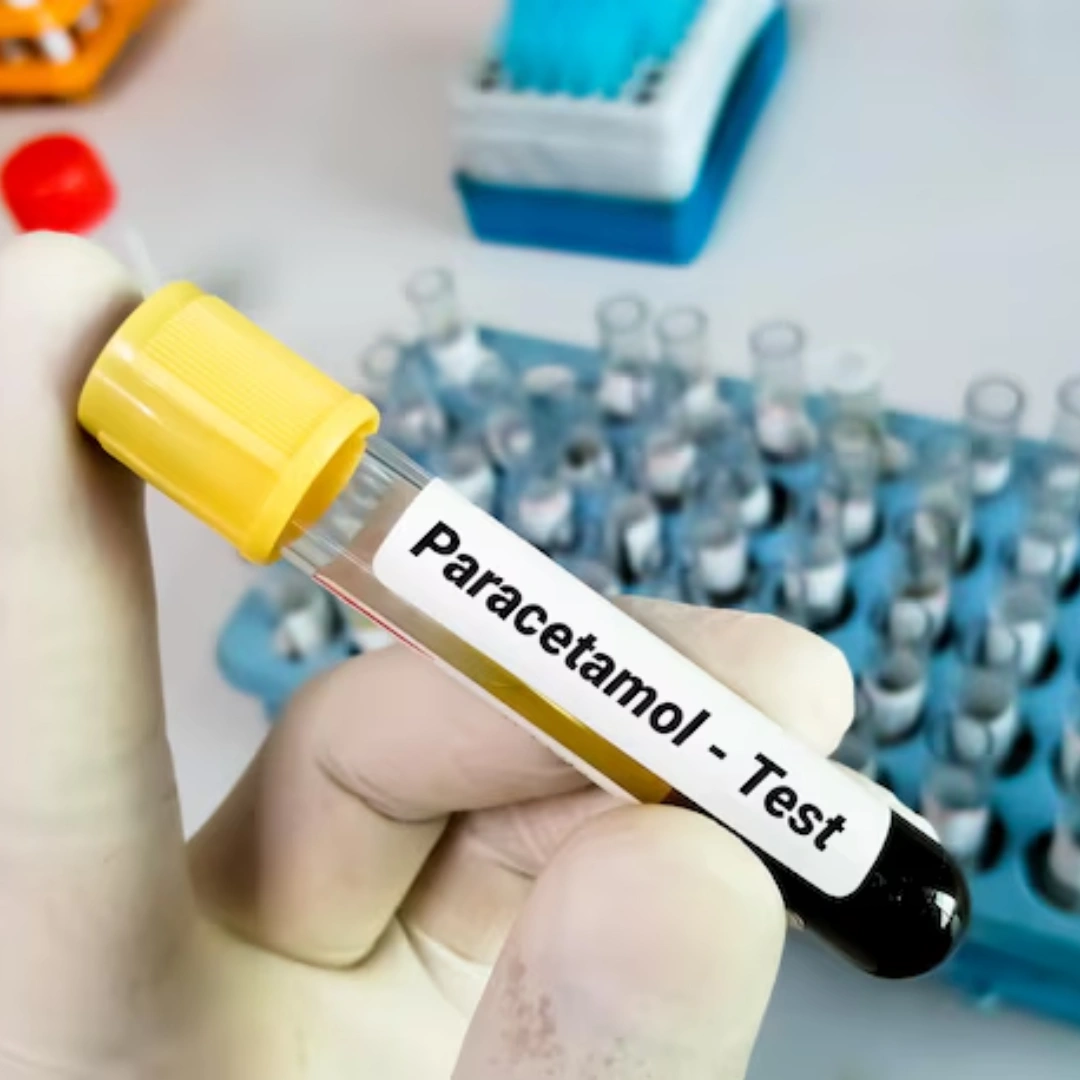
The Paracetamol test measures the level of paracetamol (acetaminophen) in the blood. Paracetamol is a widely used over-the-counter pain reliever and fever reducer. While safe at recommended doses, excessive intake can cause severe liver damage or even life-threatening toxicity. The test helps in assessing suspected overdose, monitoring therapeutic levels, and guiding treatment decisions.
Uses
This test is primarily used in emergency medicine to evaluate suspected paracetamol overdose, which is one of the most common causes of acute liver failure. It also helps doctors determine the need for antidote therapy with N-acetylcysteine (NAC). In some cases, it may be used to monitor patients on high or prolonged doses of paracetamol.
Symptoms That May Lead to the Test
Doctors may recommend this test if you present with symptoms of paracetamol toxicity such as nausea, vomiting, abdominal pain, loss of appetite, confusion, jaundice (yellowing of skin or eyes), dark urine, or unexplained fatigue. The test is often ordered in suspected overdose cases, even before symptoms appear, since early diagnosis is critical.
Abnormal Results
High Paracetamol Levels: Suggest an overdose that may lead to acute liver injury. Immediate treatment with N-acetylcysteine (NAC) is often required.
Normal or Low Levels: Suggest no overdose or safe drug concentrations, but results must be correlated with the time of ingestion and clinical symptoms.
Interpretation is often based on the “paracetamol nomogram,” which relates blood concentration to the time since ingestion.
Risks
The test requires a routine blood sample. Risks are minimal and limited to mild pain, bruising, or dizziness at the puncture site. Early and accurate testing is crucial for preventing severe liver complications in suspected overdose cases.


Reviews
There are no reviews yet.