Parietal Cell Antibody
What it is
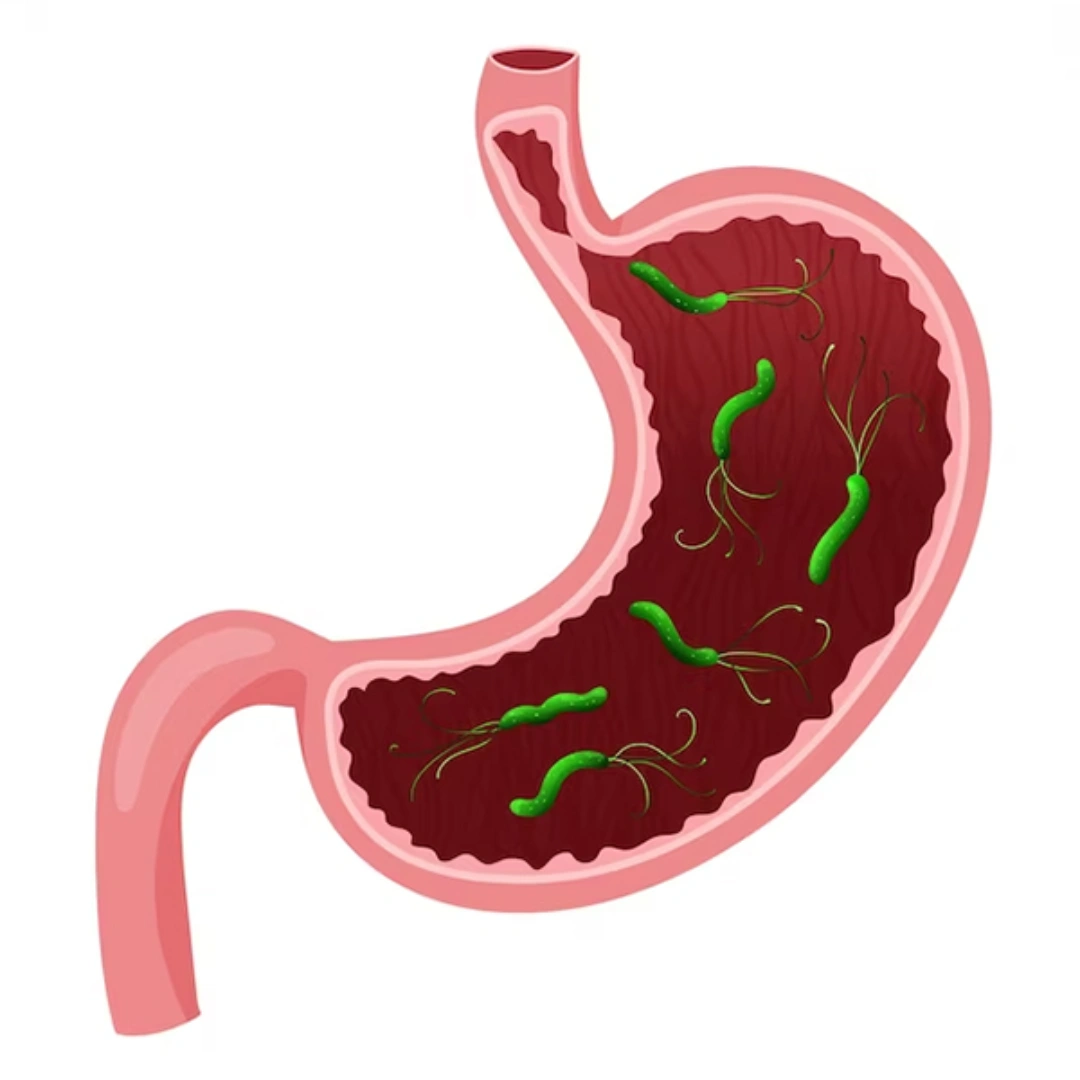
The Parietal Cell Antibody test detects autoantibodies directed against the parietal cells of the stomach lining. Parietal cells are responsible for producing stomach acid and intrinsic factor, which is essential for vitamin B12 absorption. The presence of these antibodies is associated with autoimmune gastritis and pernicious anemia, a condition where vitamin B12 deficiency occurs due to lack of intrinsic factor.
Uses
This test is used to help diagnose pernicious anemia, autoimmune gastritis, and vitamin B12 deficiency. It is also useful in identifying individuals at risk of developing gastric atrophy or stomach cancer. Doctors may order this test alongside intrinsic factor antibody and vitamin B12 tests for a comprehensive evaluation.
Symptoms That May Lead to the Test
Doctors may recommend the Parietal Cell Antibody test if you experience symptoms such as fatigue, weakness, pale skin, tingling or numbness in the hands and feet, difficulty concentrating, digestive discomfort, tongue soreness, or unexplained vitamin B12 deficiency. It may also be ordered in patients with a family history of autoimmune disorders.
Abnormal Results
Positive Parietal Cell Antibodies: Suggest autoimmune gastritis or pernicious anemia, especially when accompanied by low vitamin B12 levels or positive intrinsic factor antibodies. Positive results may also be seen in other autoimmune conditions such as thyroiditis or type 1 diabetes.
Negative Result: Suggests no detectable parietal cell autoantibodies. However, autoimmune gastritis or pernicious anemia cannot be completely ruled out without further tests.
Risks
The test requires a simple blood sample. Risks are minimal and may include mild pain, bruising, or dizziness at the puncture site. Serious complications are very rare.


Reviews
There are no reviews yet.