Parvovirus B19 IgM
What it is
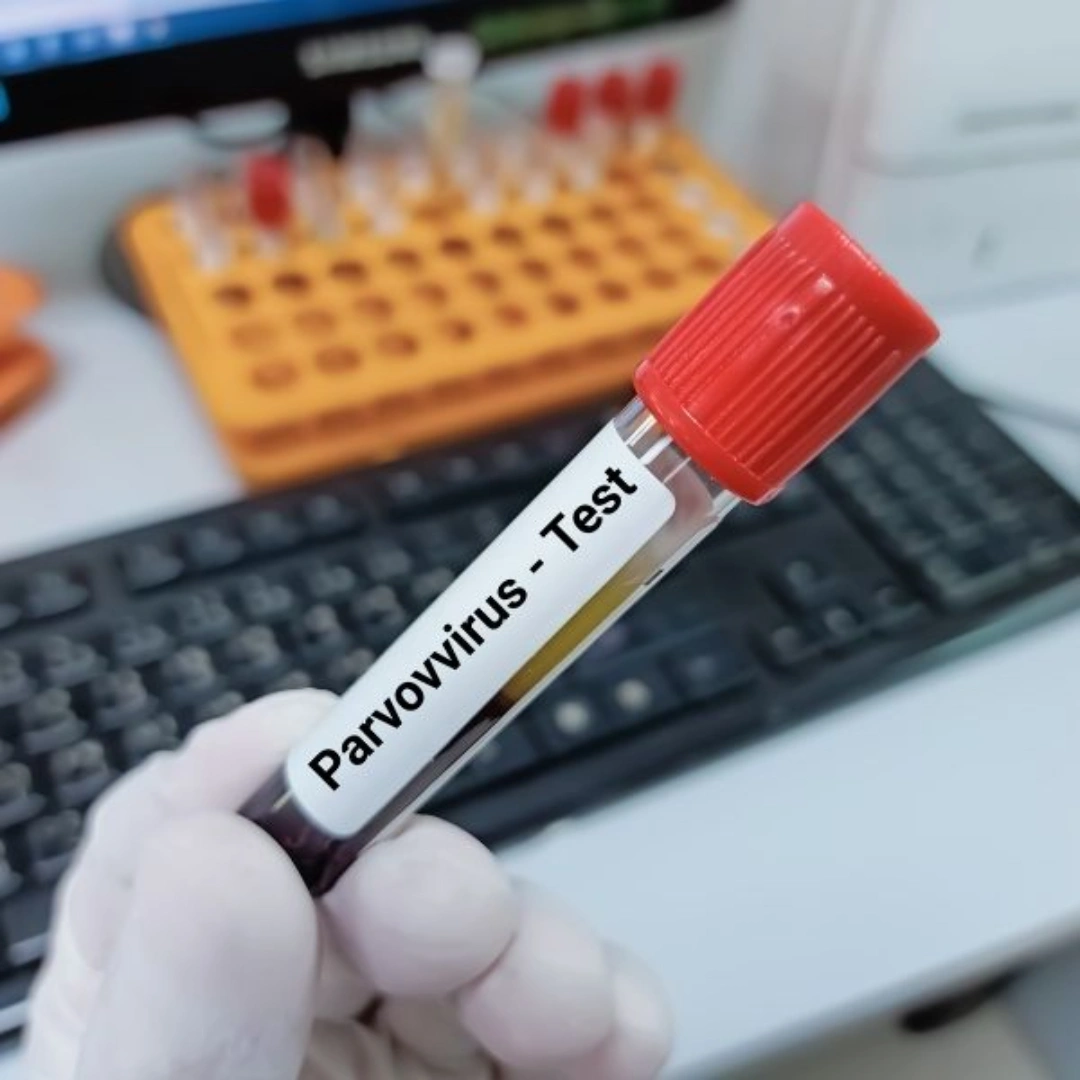
The Parvovirus B19 IgM test detects IgM antibodies in the blood that develop during an active or recent infection with Parvovirus B19. This virus causes erythema infectiosum (“fifth disease”), a childhood rash illness, but can also lead to serious complications in adults, pregnant women, and immunocompromised individuals. Unlike IgG, which indicates past infection, IgM antibodies typically appear within a few days to weeks of infection and signal recent exposure.
Uses
This test is used to diagnose recent or current Parvovirus B19 infection. It is especially important for pregnant women suspected of infection, as the virus can cause fetal hydrops or miscarriage. It is also used in patients with unexplained anemia, joint pain, or immunocompromised conditions, where the virus may cause chronic or severe illness. IgM testing is often ordered together with Parvovirus B19 IgG for a complete infection history.
Symptoms That May Lead to the Test
Doctors may recommend this test if you have symptoms such as fever, rash, fatigue, joint pain, flu-like illness, or anemia. Pregnant women with suspected exposure to Parvovirus B19, or patients with suppressed immunity and unexplained low red blood cell counts, may also require testing.
Abnormal Results
Positive IgM Result: Indicates a recent or active Parvovirus B19 infection. If IgG is also positive, it suggests the infection occurred within the past few weeks. In pregnant women, positive results warrant close monitoring of fetal health.
Negative IgM Result: Suggests no recent infection. If IgG is positive, it indicates past infection and immunity. If both IgM and IgG are negative, the person has likely never been exposed and remains susceptible.
Risks
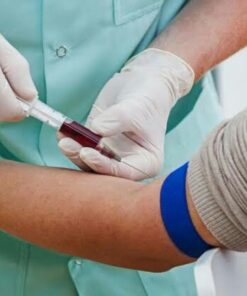
The test requires a routine blood sample. Risks are minimal and may include slight pain, bruising, or dizziness at the puncture site. Serious complications are very rare.


Reviews
There are no reviews yet.