Periodic Acid-Schiff (PAS) Stain
What it is
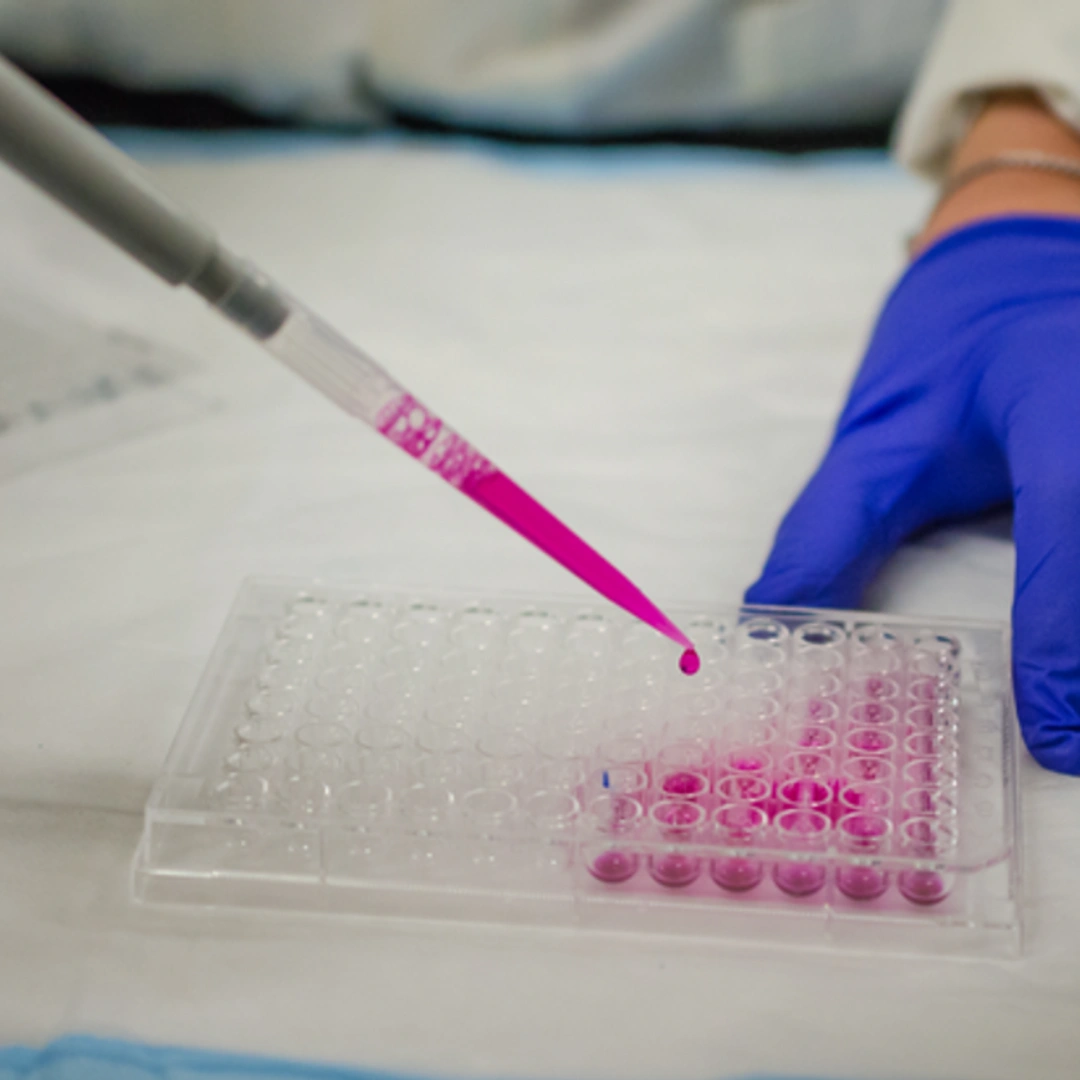
The Periodic Acid-Schiff (PAS) stain is a special histological staining technique used in pathology to detect complex carbohydrates such as glycogen, glycoproteins, glycolipids, and mucins in tissue samples. The PAS reaction highlights these substances in a bright magenta color, making it valuable in diagnosing various diseases, including infections, tumors, and storage disorders.
Uses
This test is widely used in pathology and microbiology to identify fungal infections (e.g., Candida, Histoplasma), glycogen storage diseases, and certain tumors. It is also applied in diagnosing liver disease, kidney disorders (such as glomerular basement membrane thickening), and hematological malignancies like acute lymphoblastic leukemia. PAS stain is frequently performed on biopsy tissues and bone marrow samples.
Symptoms That May Lead to the Test
Doctors may recommend a PAS stain as part of a biopsy evaluation if you present with unexplained organ dysfunction, persistent infections, abnormal blood counts, unexplained liver enlargement, chronic diarrhea, kidney abnormalities, or suspected fungal disease. It is often ordered when routine staining is insufficient for diagnosis.
Abnormal Results
Positive PAS Staining: Indicates the presence of carbohydrates, mucins, or fungal organisms. For example:
– Bright magenta fungal cell walls in fungal infections.
– PAS-positive lymphoblasts in acute lymphoblastic leukemia.
– Glycogen accumulation in storage diseases.
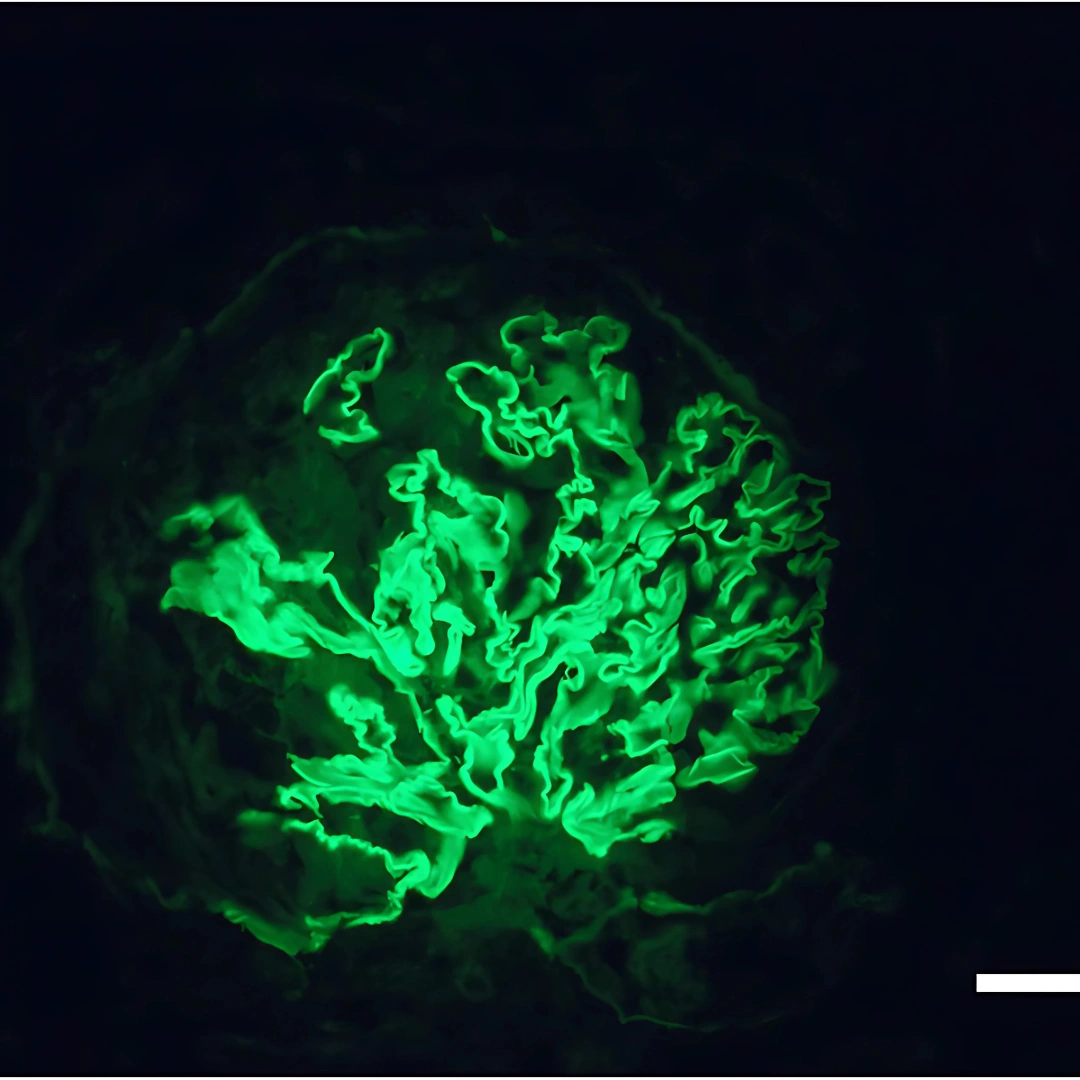
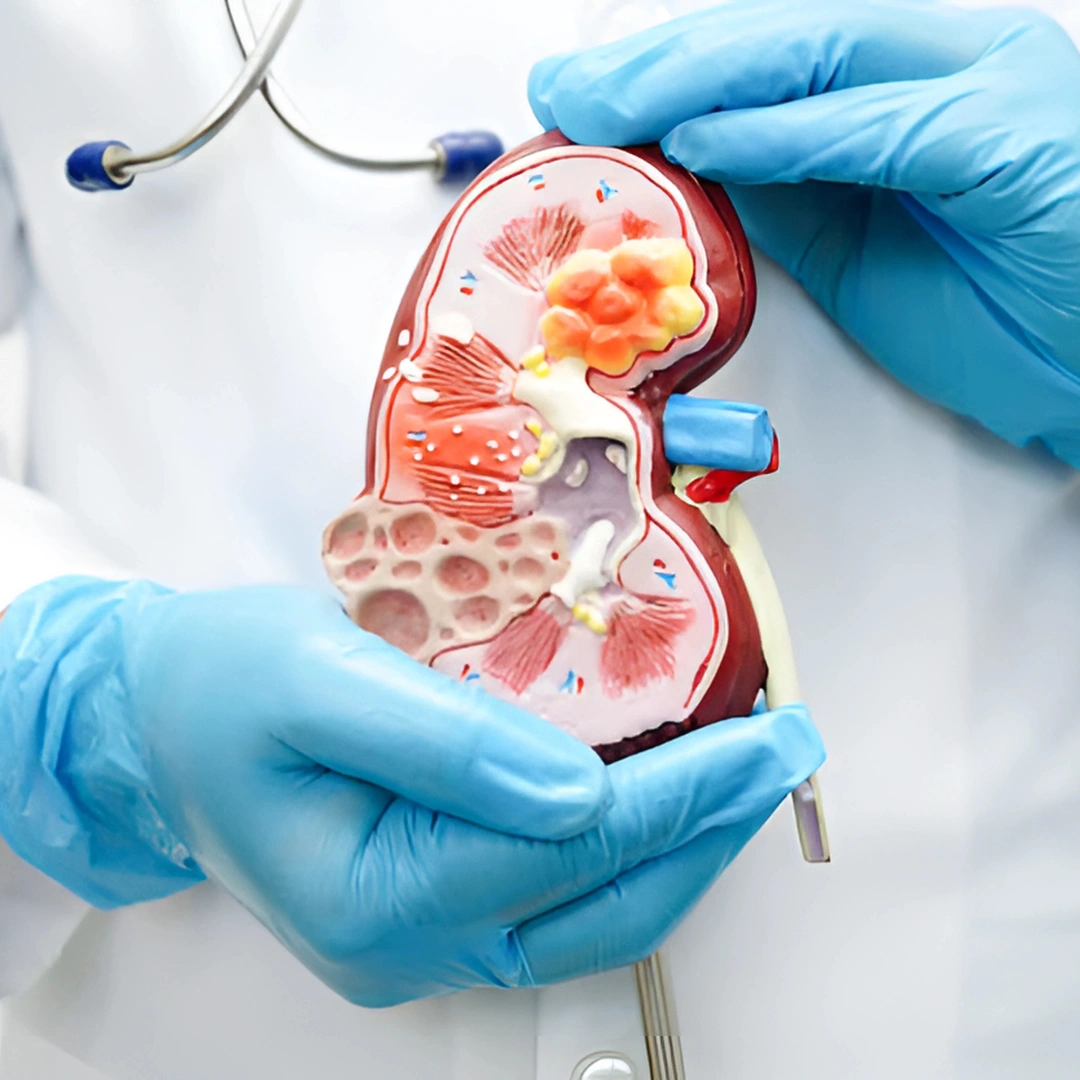
– Thickened glomerular basement membranes in kidney disease.
Negative PAS Staining: Suggests absence of PAS-reactive substances. However, negative results do not rule out disease, and additional tests may be required.
Risks
The PAS stain itself carries no direct risks, as it is performed on collected tissue or fluid samples. Risks are only related to the biopsy or sampling procedure, such as mild pain, bleeding, or infection at the collection site.


Reviews
There are no reviews yet.