Peripheral Blood Smear Examination, Whole Blood
What it is
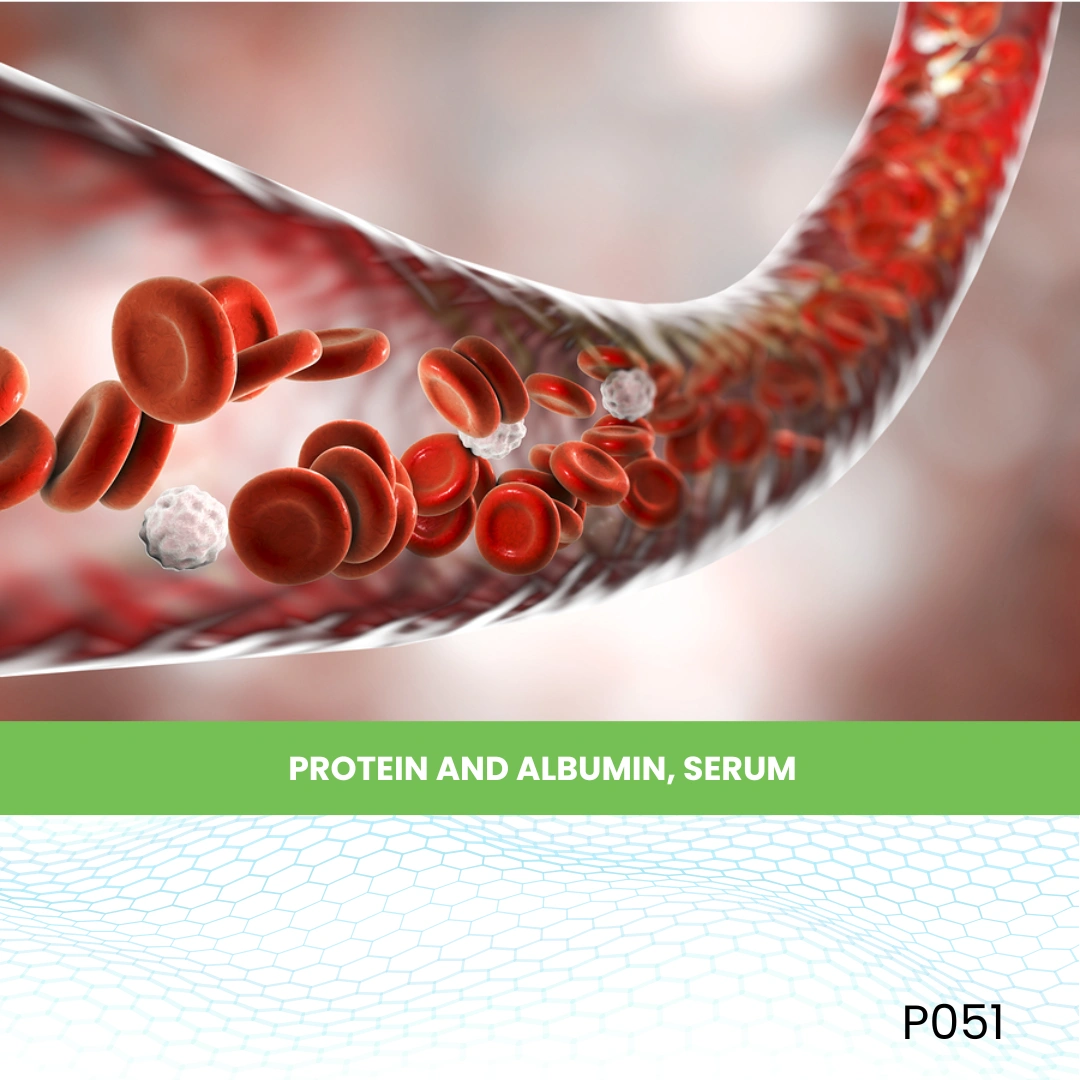
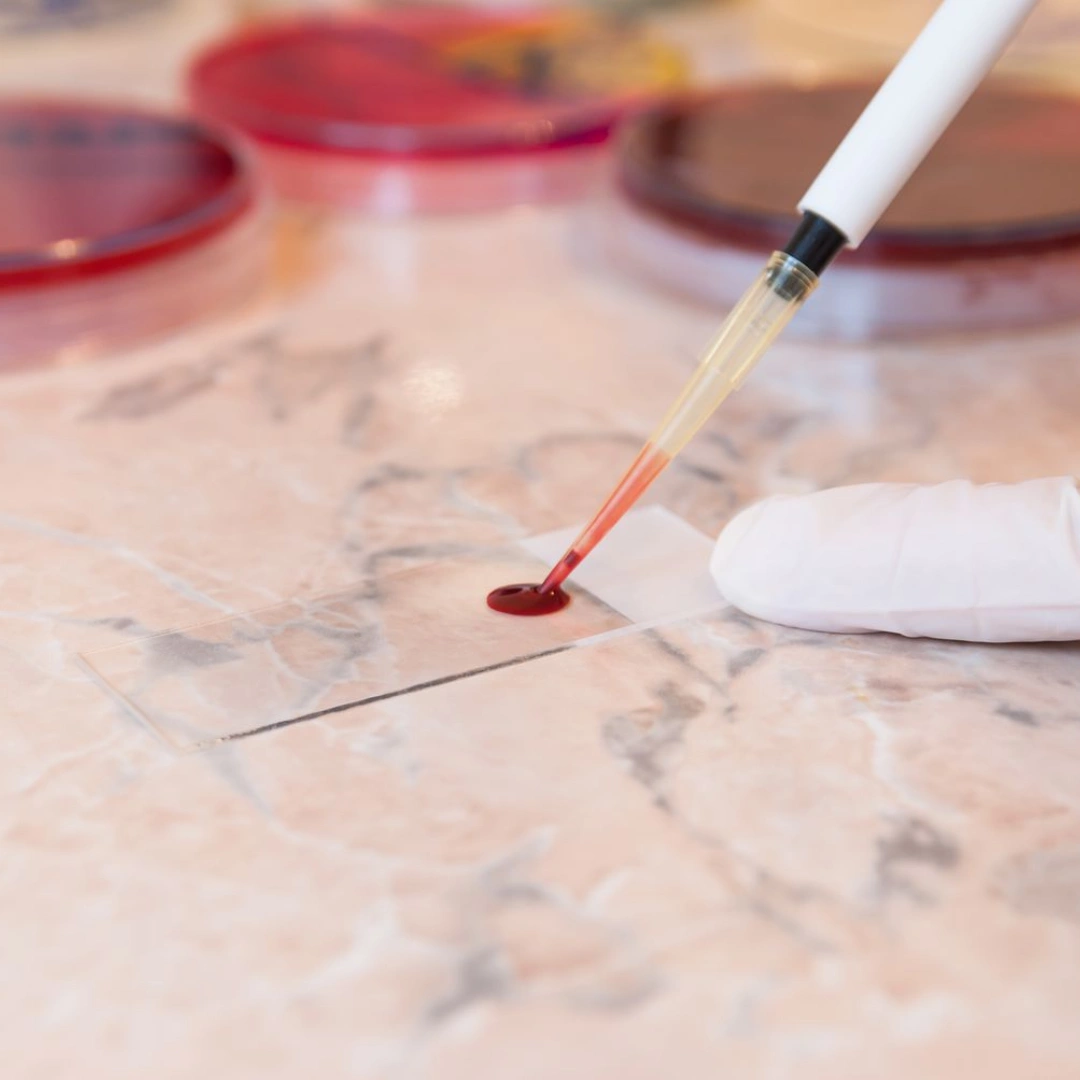
The Peripheral Blood Smear Examination is a microscopic test that analyzes a thin layer of whole blood spread on a glass slide. It allows direct visualization of red blood cells (RBCs), white blood cells (WBCs), and platelets to detect abnormalities in their size, shape, number, and overall appearance. This test is often used alongside a complete blood count (CBC) to provide detailed information about blood disorders.
Uses
This test is used to diagnose and monitor various blood-related conditions such as anemia, infections, leukemia, malaria, sickle cell disease, thalassemia, and platelet disorders. It helps doctors identify abnormal cells, parasites, or other morphological changes not detected by automated analyzers.
Symptoms That May Lead to the Test
Doctors may recommend this test if you have symptoms such as fatigue, weakness, pale skin, frequent infections, unexplained fever, unusual bleeding or bruising, enlarged lymph nodes, night sweats, or suspected parasitic infections like malaria.
Abnormal Results
Red Blood Cell Abnormalities: Variations in size (anisocytosis), shape (poikilocytosis), or color (hypochromia) may indicate anemia, iron deficiency, thalassemia, or sickle cell disease.
White Blood Cell Abnormalities: Presence of immature or atypical cells may suggest leukemia, lymphoma, or severe infection.
Platelet Abnormalities: Low or abnormal platelet morphology may indicate bleeding disorders or bone marrow disease.
Parasites: Detection of malaria parasites or other blood-borne pathogens confirms infectious disease.
Risks
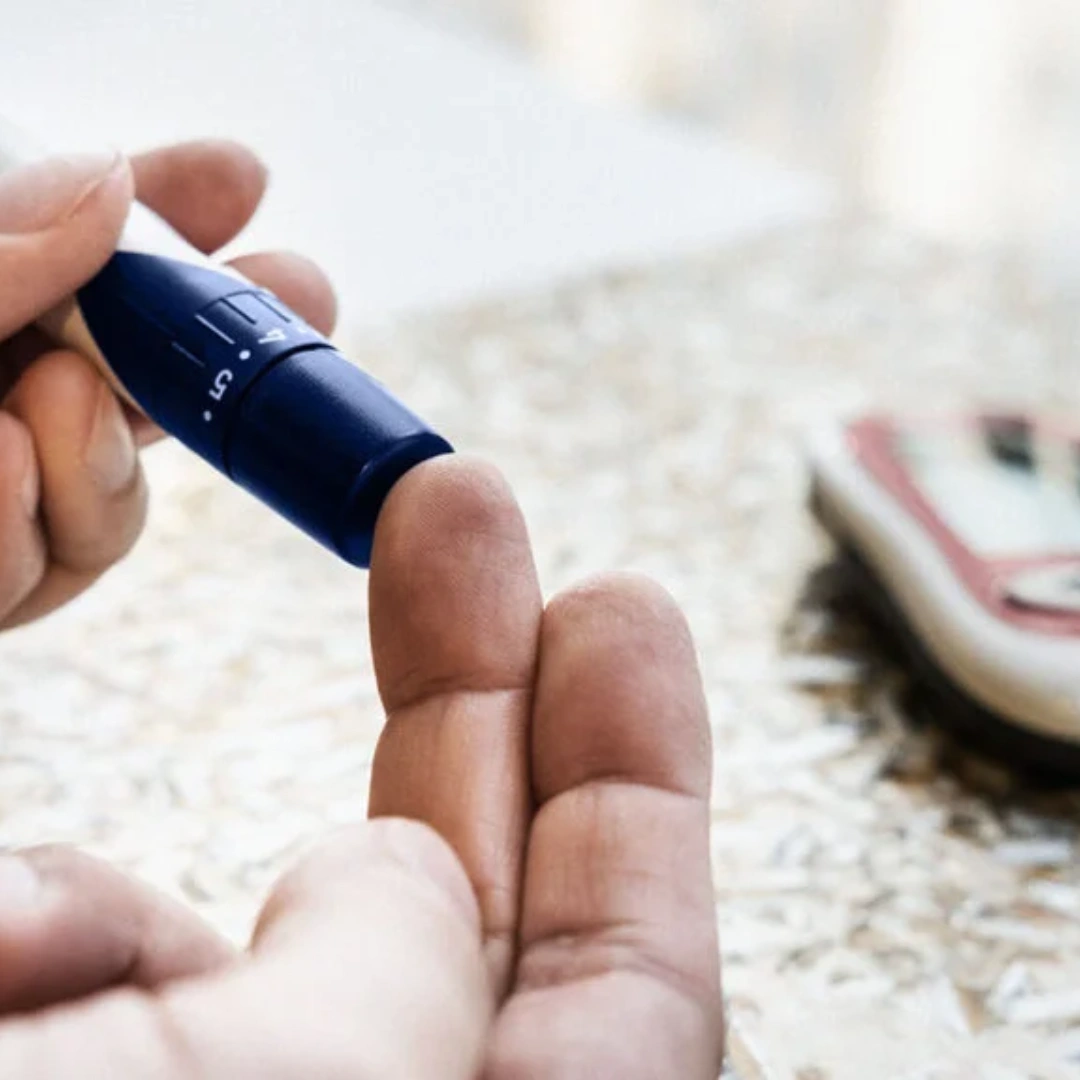
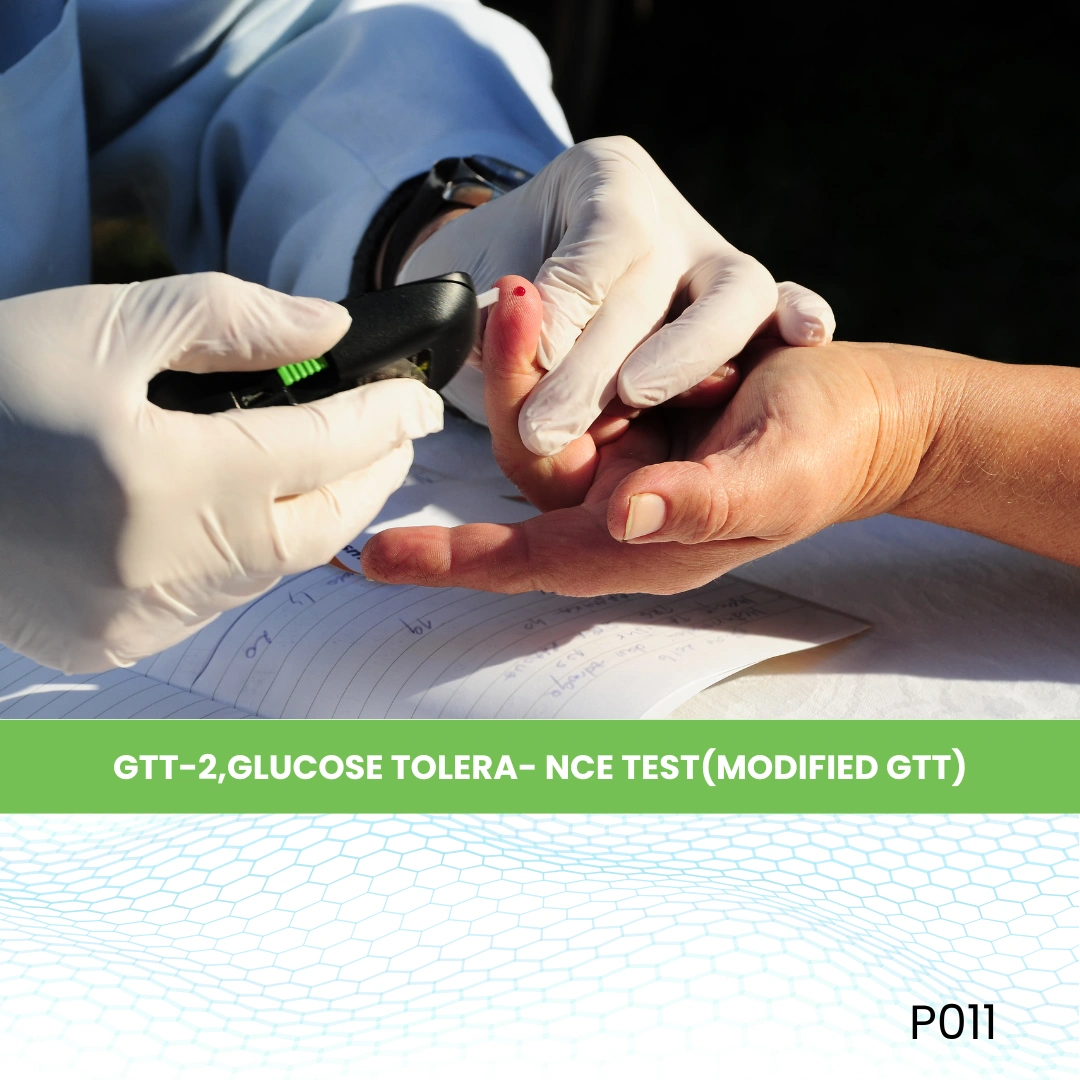
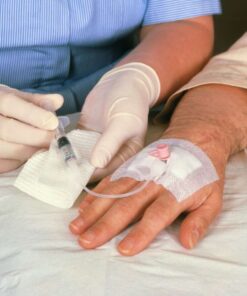
The test requires a small blood sample, usually obtained from a vein or fingertip. Risks are minimal and include slight pain, bruising, or dizziness at the puncture site. The smear preparation and microscopic analysis itself carry no risk.


Reviews
There are no reviews yet.