Phenobarbital (Gardinal)
What it is
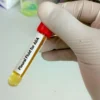
The Phenobarbital (Gardinal) test measures the level of phenobarbital in the blood. Phenobarbital is a barbiturate medication commonly prescribed to control seizures (epilepsy), relieve anxiety, and sometimes manage withdrawal symptoms. Since phenobarbital has a narrow therapeutic range, monitoring its blood concentration is important to ensure effectiveness while avoiding toxicity.
Uses
This test is used to monitor therapeutic drug levels in patients taking phenobarbital, adjust dosage when needed, and assess compliance with prescribed treatment. It is also used in emergency settings to evaluate suspected overdose or drug toxicity. Additionally, the test may be ordered when a patient is taking other medications that could interfere with phenobarbital metabolism.
Symptoms That May Lead to the Test
Doctors may recommend this test if you are being treated for epilepsy or seizures and require drug-level monitoring. It may also be ordered if you experience symptoms of drug toxicity, such as dizziness, confusion, slowed breathing, slurred speech, poor coordination, excessive drowsiness, or coma. In newborns, the test may be used to monitor therapy for seizures.
Abnormal Results
High Phenobarbital Levels: Indicate potential toxicity, which can cause respiratory depression, coma, or life-threatening complications. Overdose requires urgent medical care.
Low Phenobarbital Levels: Suggest subtherapeutic dosing, poor absorption, or non-compliance with treatment, which may lead to uncontrolled seizures.
Therapeutic Range: For most patients, effective blood concentrations typically fall between 15–40 µg/mL, but interpretation depends on individual response and clinical condition.
Risks
The test requires a standard blood draw. Risks are minimal and may include slight pain, bruising, or dizziness at the puncture site. The analysis itself carries no risk.


Reviews
There are no reviews yet.