Phospholipid Antibodies (IgM & IgG), Serum
What it is
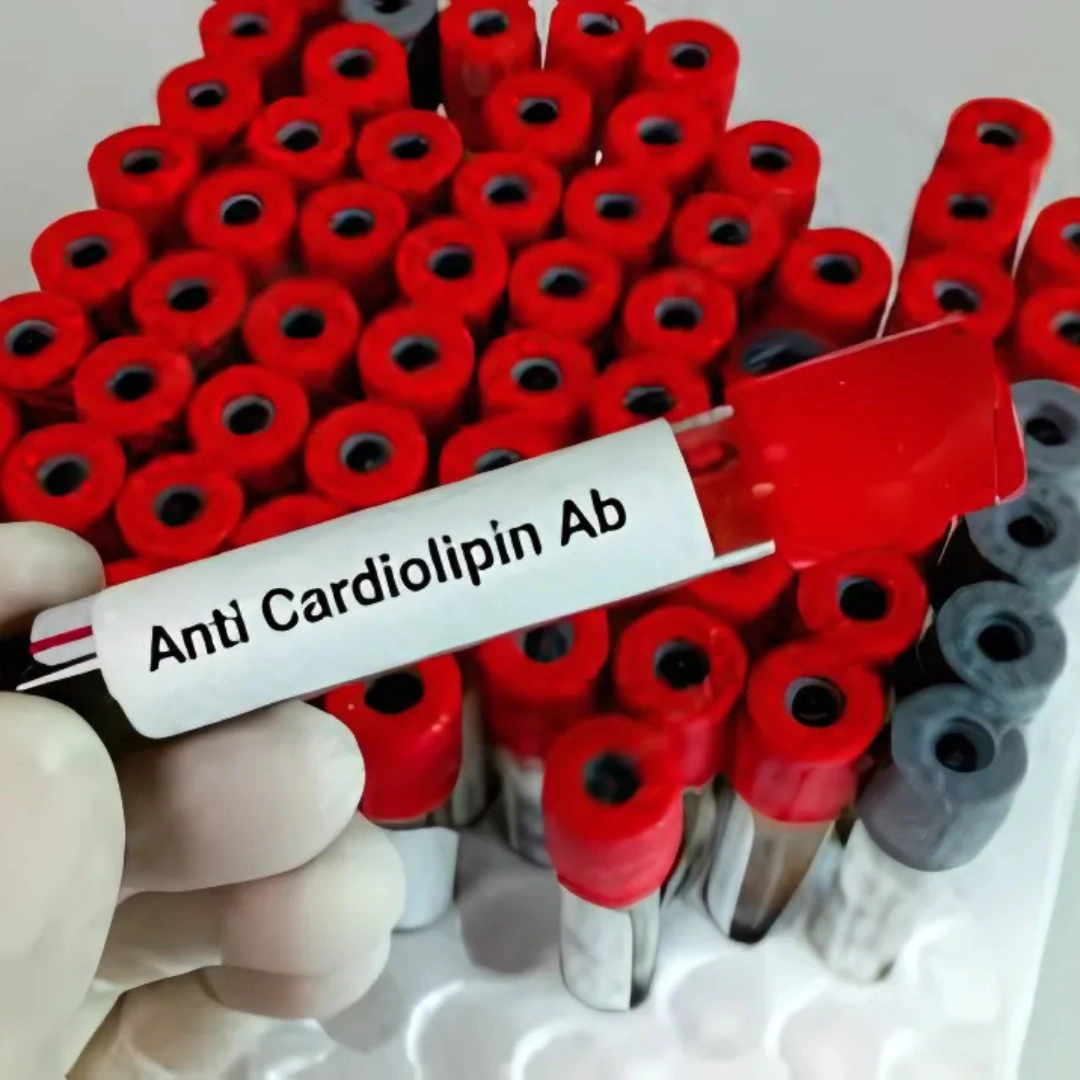
The Phospholipid Antibodies (IgM & IgG), Serum test detects autoantibodies directed against phospholipids, which are essential components of cell membranes. These antibodies are part of the antiphospholipid antibody (APLA) group and are associated with abnormal blood clotting, pregnancy complications, and autoimmune conditions such as Antiphospholipid Syndrome (APS) and systemic lupus erythematosus (SLE). The test measures both IgM and IgG antibody classes to assess recent and long-term immune activity.
Uses
This test is used to evaluate suspected cases of Antiphospholipid Syndrome, which can cause recurrent miscarriages, unexplained blood clots (venous or arterial), and certain neurological or hematological conditions. It is also helpful in monitoring autoimmune diseases like lupus and in patients with unexplained strokes, heart attacks, or low platelet counts at a young age.
Symptoms That May Lead to the Test
Doctors may recommend this test if you have:
– A history of recurrent miscarriages or pregnancy-related complications (stillbirth, preeclampsia, intrauterine growth restriction).
– Unexplained venous thrombosis (DVT, pulmonary embolism) or arterial thrombosis (stroke, myocardial infarction).
– Autoimmune conditions such as lupus.
– Low platelet counts (thrombocytopenia) or livedo reticularis (mottled skin).
– Neurological symptoms like migraines, seizures, or memory loss linked to autoimmune disorders.
Abnormal Results
Positive IgG or IgM Antibodies: Suggests the presence of antiphospholipid antibodies and may indicate increased risk for blood clots, pregnancy complications, or autoimmune disease. Persistent positivity (on repeat tests at least 12 weeks apart) is required for a confirmed APS diagnosis.
Negative Result: Indicates no detectable phospholipid antibodies. However, other antiphospholipid antibodies (e.g., lupus anticoagulant, anti-β2 glycoprotein I) may still be present, so additional tests are often recommended.
Risks
The test requires a routine blood sample. Risks are minimal and include mild pain, bruising, or dizziness at the puncture site. Serious complications are extremely rare.


Reviews
There are no reviews yet.