Phosphorus (Inorganic), Serum
What it is
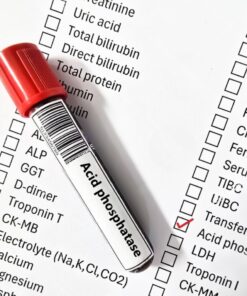
The Phosphorus (Inorganic), Serum test measures the level of inorganic phosphorus (phosphate) in the blood. Phosphorus is an essential mineral that works closely with calcium and vitamin D to build strong bones and teeth, regulate energy metabolism, and maintain acid-base balance in the body. Since most phosphorus is stored in bones, the test is useful in detecting imbalances caused by kidney disease, parathyroid disorders, or nutritional problems.
Uses
This test is used to evaluate kidney function, bone metabolism, and parathyroid gland activity. It helps diagnose conditions such as chronic kidney disease, rickets, osteomalacia, hyperparathyroidism, and hypoparathyroidism. It is also useful in monitoring patients receiving treatment for vitamin D or calcium disorders and those at risk of malnutrition.
Symptoms That May Lead to the Test
Doctors may recommend this test if you experience:
– Weak or brittle bones and frequent fractures.
– Muscle weakness or cramps.
– Fatigue, numbness, or tingling sensations.
– Symptoms of kidney disease (swelling, reduced urine output).
– Signs of parathyroid dysfunction or unexplained electrolyte imbalance.
Abnormal Results
High Serum Phosphorus (Hyperphosphatemia): May indicate chronic kidney disease, hypoparathyroidism, vitamin D excess, or tissue breakdown (e.g., in rhabdomyolysis or tumor lysis syndrome). Persistently high levels can lead to calcium-phosphate deposits in tissues.
Low Serum Phosphorus (Hypophosphatemia): May suggest hyperparathyroidism, vitamin D deficiency, alcoholism, malnutrition, or diabetic ketoacidosis. Severe hypophosphatemia can cause muscle weakness, breathing difficulties, or impaired heart function.
Risks
The test requires a routine blood sample. Risks are minimal and may include slight pain, bruising, or dizziness at the puncture site. The laboratory analysis itself carries no risk.


Reviews
There are no reviews yet.