Platelet Antibodies, Indirect (IgG)
What it is
The Platelet Antibodies, Indirect (IgG) test detects IgG class antibodies directed against platelet antigens circulating in the blood. These antibodies can bind to platelets and mark them for destruction, leading to low platelet counts (thrombocytopenia). The indirect test examines the patient’s serum for free-floating antibodies, unlike the direct test which looks for antibodies already bound to platelets.
Uses
This test is used to evaluate unexplained thrombocytopenia, suspected immune-mediated platelet destruction, and conditions such as Immune Thrombocytopenic Purpura (ITP). It is also useful in diagnosing platelet transfusion refractoriness, monitoring patients after transfusions, and investigating neonatal alloimmune thrombocytopenia (NAIT) or post-transfusion purpura (PTP).
Symptoms That May Lead to the Test
Doctors may recommend this test if you have:
– Unexplained low platelet counts on routine blood tests.
– Easy bruising or bleeding gums.
– Petechiae (tiny red or purple spots on the skin).
– Nosebleeds, heavy menstrual bleeding, or prolonged bleeding from cuts.
– History of platelet transfusions with poor response.
– Neonatal thrombocytopenia in a newborn.
Abnormal Results
Positive Test: Indicates the presence of IgG platelet antibodies, suggesting immune-mediated destruction of platelets. This may be due to ITP, drug-induced immune thrombocytopenia, post-transfusion reactions, or alloimmune causes in newborns.
Negative Test: Suggests no detectable platelet antibodies, though immune-mediated thrombocytopenia cannot be completely ruled out. In such cases, additional tests or a direct platelet antibody test may be required.
Risks
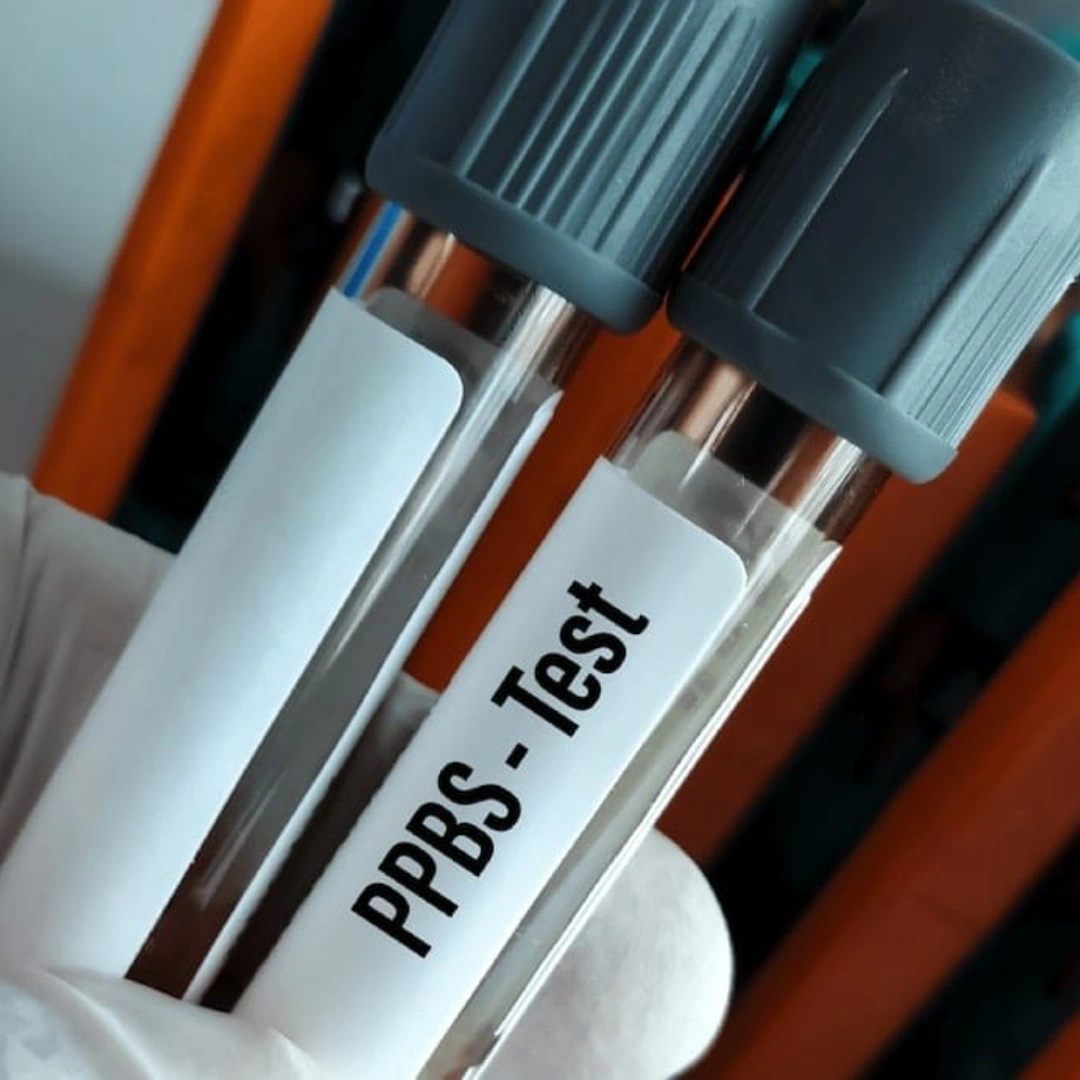
The test requires a routine blood sample. Risks are minimal and limited to slight pain, bruising, or dizziness at the puncture site. The analysis itself carries no direct risk.


Reviews
There are no reviews yet.