Polycystic Ovarian Syndrome (PCOS) Panel 2
What it is
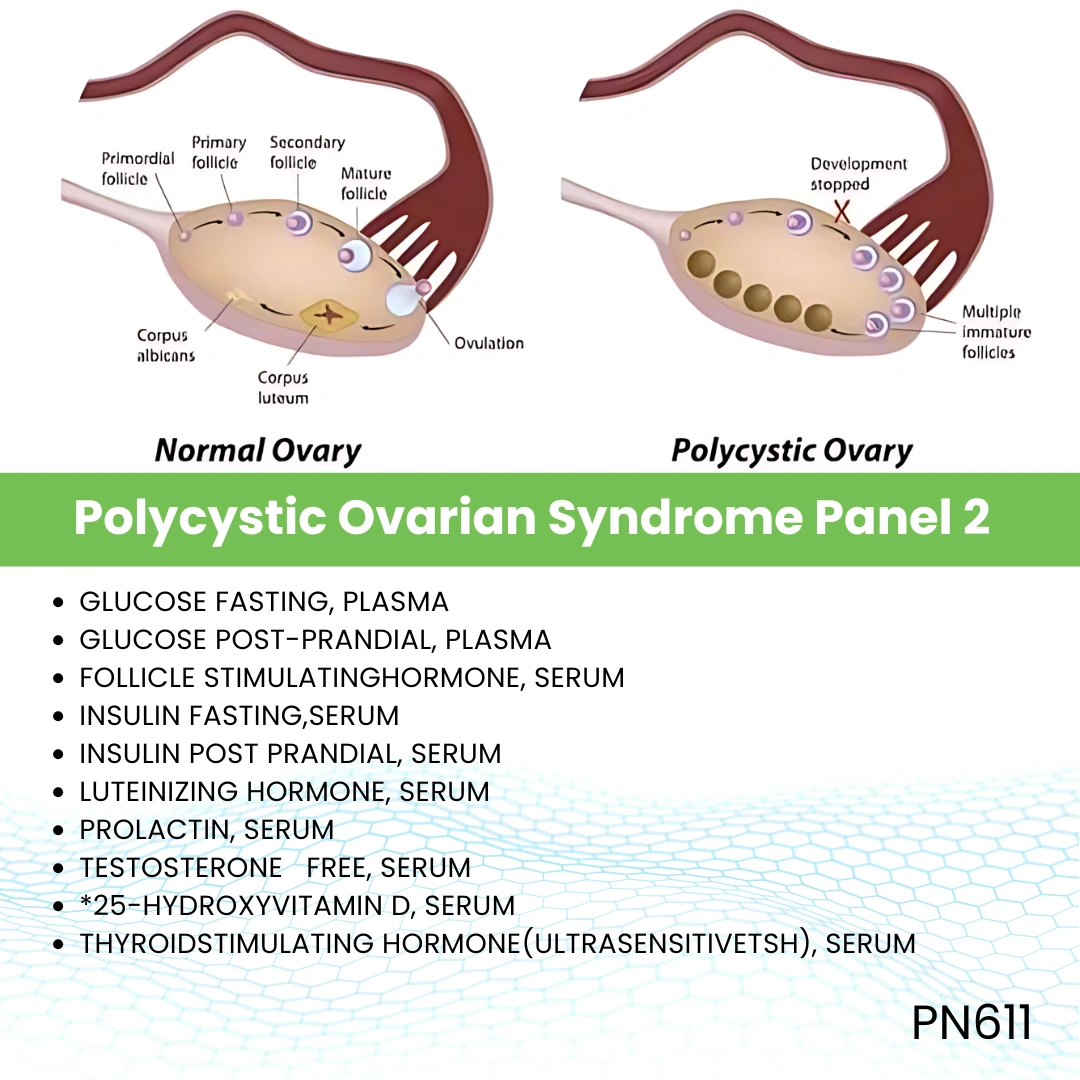
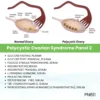
The Polycystic Ovarian Syndrome (PCOS) Panel 2 is an advanced set of blood tests that evaluates hormone levels and metabolic health in women suspected of having Polycystic Ovarian Syndrome. PCOS is a common endocrine disorder affecting women of reproductive age, linked to irregular periods, infertility, acne, weight gain, and excessive hair growth. Panel 2 usually includes a broader range of reproductive hormones and metabolic markers compared to Panel 1, offering a more detailed assessment.
Uses
This panel is used to confirm a diagnosis of PCOS, rule out other hormonal conditions, and evaluate associated metabolic risks. It helps doctors tailor treatment for menstrual irregularities, infertility, androgen-related symptoms (acne, hirsutism), and long-term risks like type 2 diabetes, obesity, and cardiovascular disease. It is especially useful for women with complex symptoms requiring a more comprehensive evaluation than PCOS Panel 1.
Symptoms That May Lead to the Test
Doctors may recommend PCOS Panel 2 if you experience:
– Irregular, absent, or heavy menstrual cycles.
– Infertility despite attempts to conceive.
– Excessive facial or body hair growth (hirsutism).
– Persistent acne, oily skin, or hair thinning.
– Rapid weight gain or obesity.
– Signs of insulin resistance such as dark skin patches (acanthosis nigricans).
– Family history of PCOS, diabetes, or metabolic syndrome.
Abnormal Results
High Androgens (Testosterone, DHEAS): Suggestive of PCOS-related hormonal imbalance.
Elevated LH/FSH Ratio: Often seen in PCOS, though not diagnostic alone.
Abnormal Insulin or Glucose Levels: Indicate insulin resistance or prediabetes, common in PCOS.
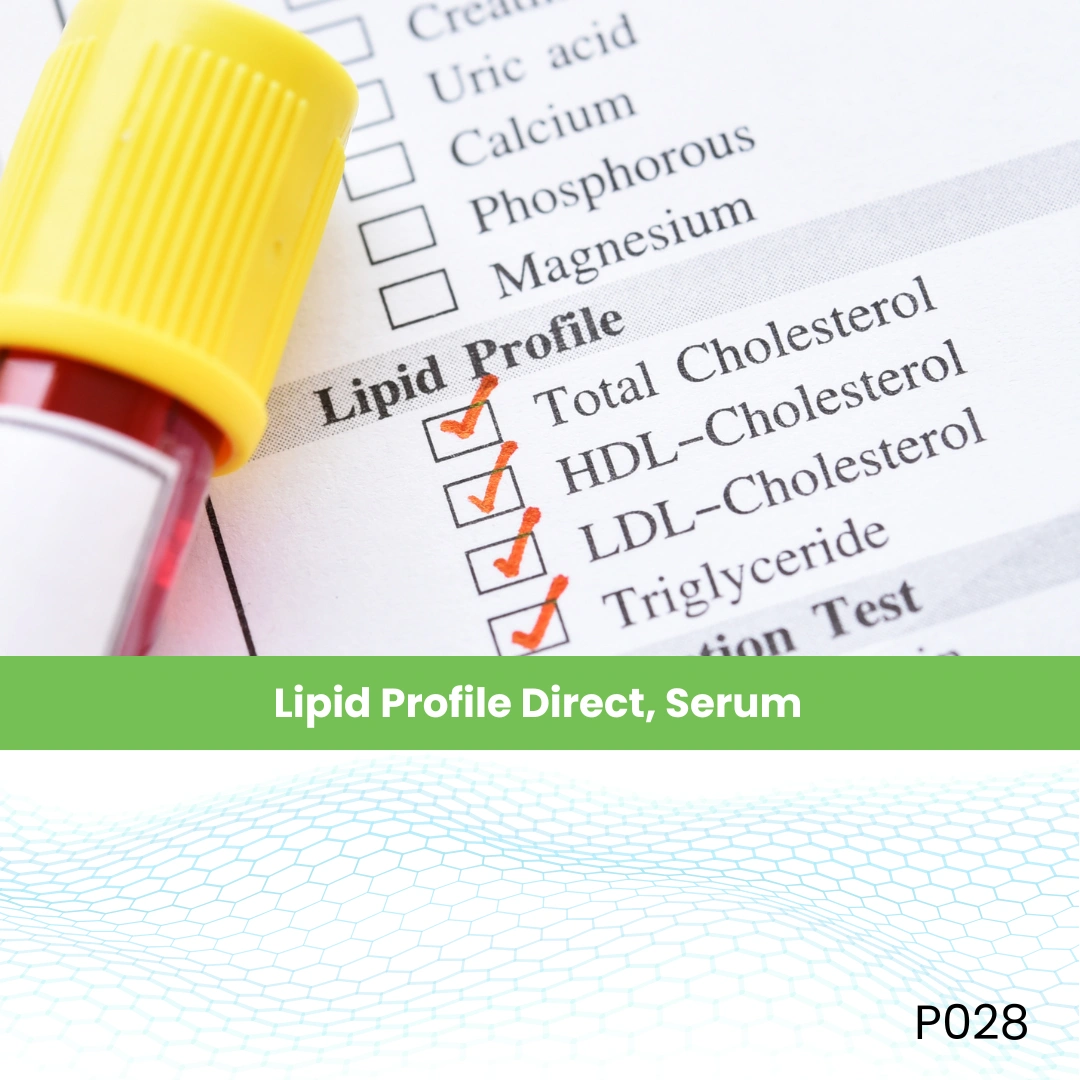
Dyslipidemia: Abnormal cholesterol or triglyceride levels may reflect increased cardiovascular risk.
Normal Results: Do not always exclude PCOS; diagnosis is based on a combination of test results, clinical symptoms, and imaging (ovarian ultrasound).
Risks
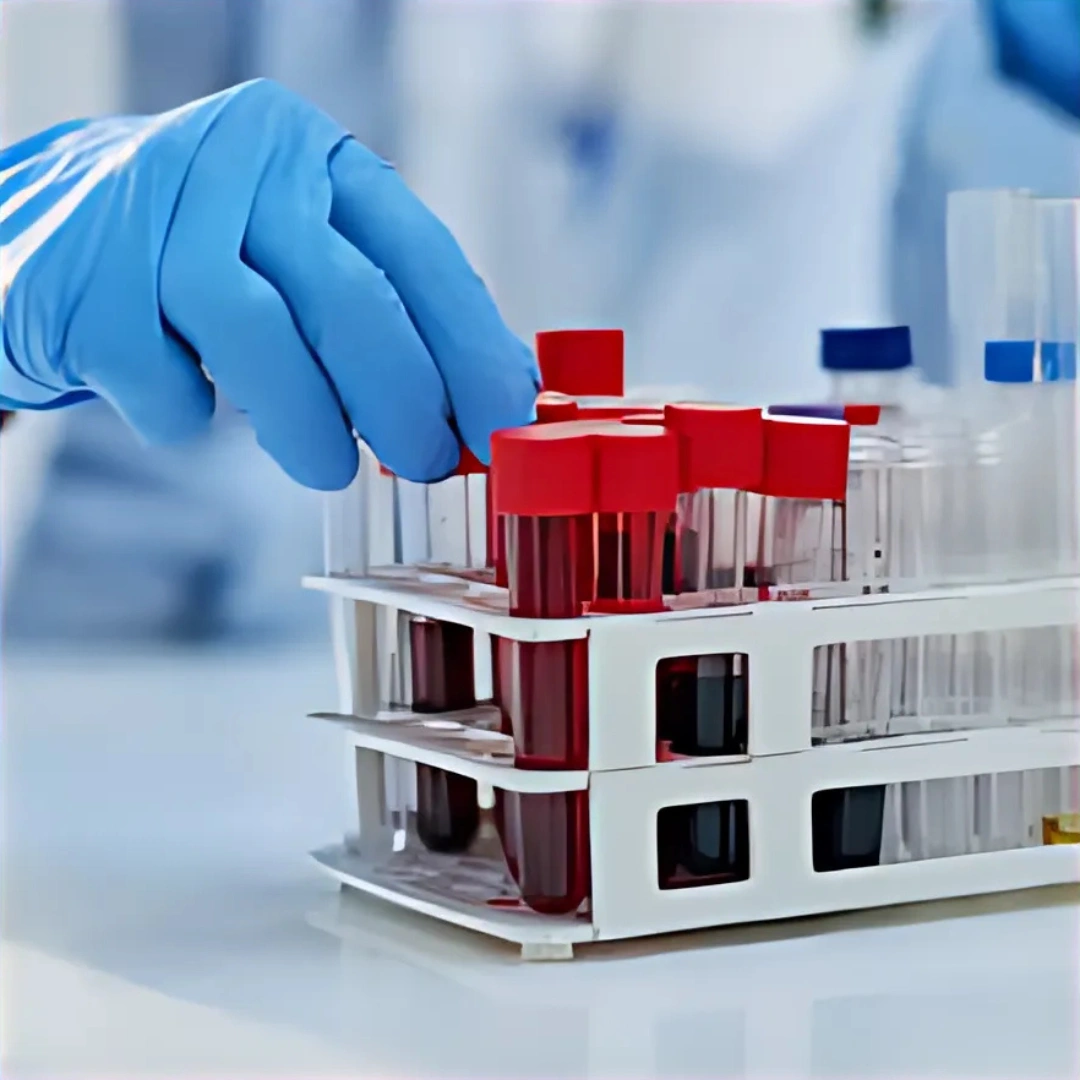
The test requires a routine blood draw. Risks are minimal and limited to mild pain, bruising, or dizziness at the puncture site. The analysis itself has no associated risks.


Reviews
There are no reviews yet.