Porphobilinogen (PBG), Urine
What it is
The Porphobilinogen (PBG), Urine test measures the amount of porphobilinogen, a chemical intermediate in the production of heme (the oxygen-carrying part of hemoglobin), excreted in urine. Elevated PBG levels are a hallmark of certain types of acute porphyrias, a group of rare metabolic disorders affecting the heme synthesis pathway. Since porphyrias can cause sudden and severe attacks, this test is crucial in emergency and diagnostic settings.
Uses
This test is mainly used to diagnose and monitor acute intermittent porphyria (AIP) and other acute hepatic porphyrias. It helps confirm the cause of unexplained abdominal pain, neurological symptoms, or psychiatric disturbances. It may also be used to monitor patients with known porphyria for early detection of recurrent attacks.
Symptoms That May Lead to the Test
Doctors may recommend this test if you present with:
– Severe, unexplained abdominal pain.
– Nausea, vomiting, or constipation.
– Neurological issues such as seizures, muscle weakness, or tingling.
– Behavioral or psychiatric changes (anxiety, confusion, hallucinations).
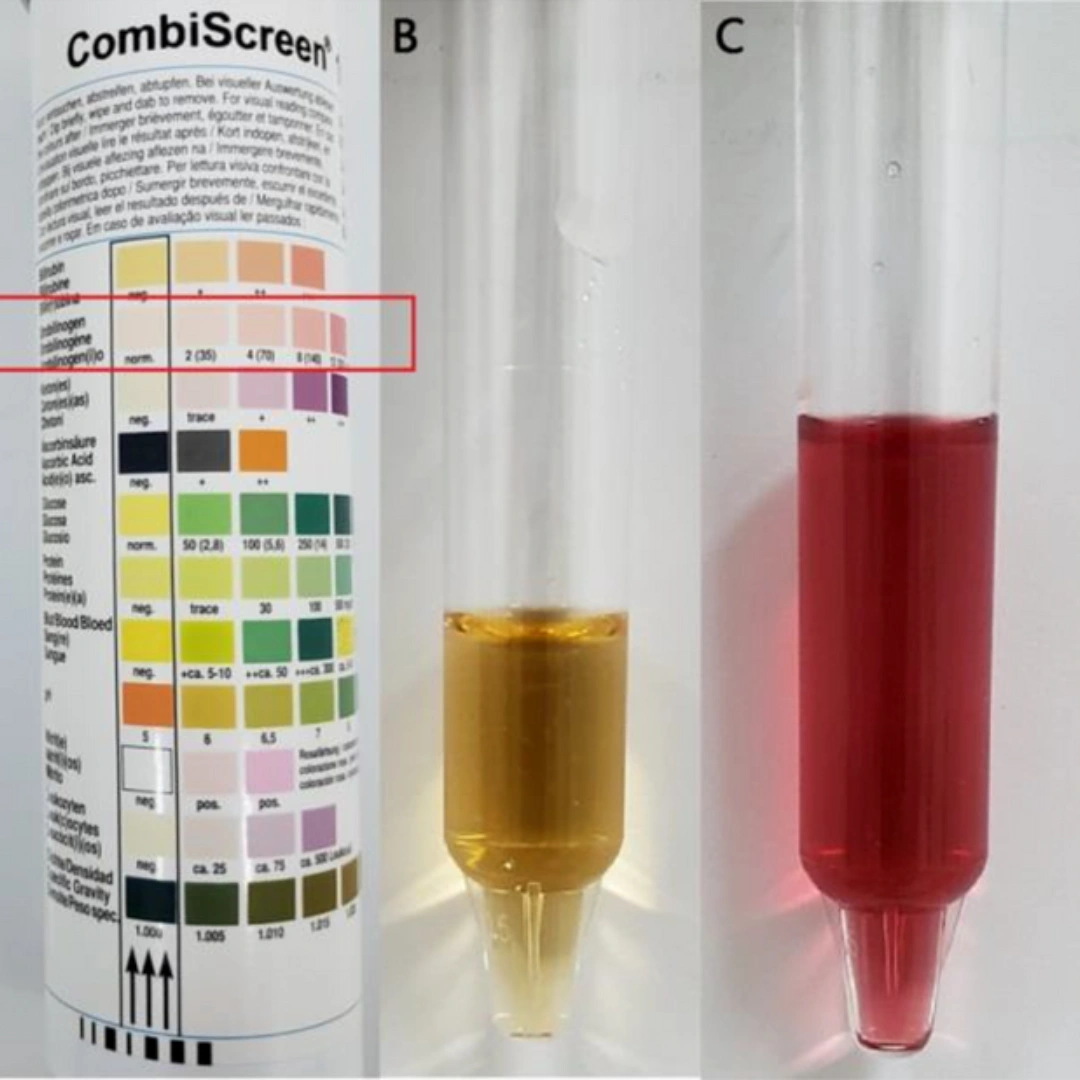
– Dark or reddish urine during an acute attack.
Abnormal Results
High Urinary PBG: Strongly suggests an acute porphyria attack (most often acute intermittent porphyria). Levels are usually markedly elevated during acute episodes and may return closer to normal between attacks.
Normal or Low PBG: Indicates no acute porphyria activity at the time of testing. However, further biochemical or genetic tests may still be required if symptoms persist or if chronic forms of porphyria are suspected.
Risks
The test requires a urine sample, usually a random or 24-hour collection. Risks are minimal, with no direct health impact. Proper handling and protection from light are essential, as PBG and related compounds can degrade quickly, potentially affecting accuracy.


Reviews
There are no reviews yet.