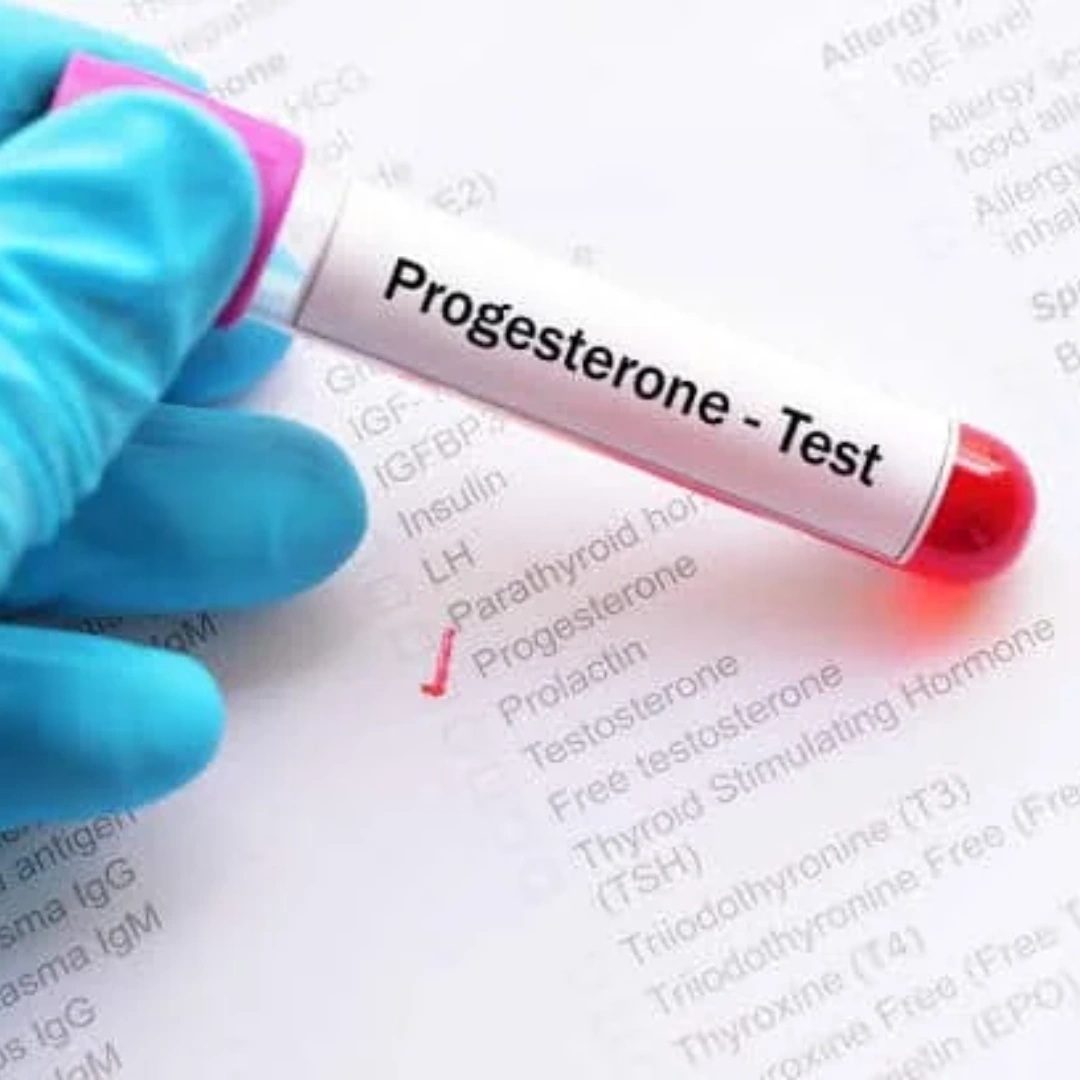
Progesterone, Serum
What it is
The Progesterone, Serum test measures the level of progesterone, a hormone produced mainly by the ovaries after ovulation and by the placenta during pregnancy. Progesterone plays a critical role in regulating the menstrual cycle, preparing the uterus for pregnancy, and maintaining early pregnancy. Abnormal levels can indicate ovulation problems, infertility, or pregnancy-related issues.
Uses
This test is used to:
– Confirm if and when ovulation has occurred.
– Assess fertility and monitor women undergoing fertility treatments.
– Evaluate the health of early pregnancy and placental function.
– Investigate causes of abnormal uterine bleeding or menstrual irregularities.
– Diagnose problems with ovarian or adrenal gland function.
– Support the evaluation of suspected ectopic pregnancy or miscarriage.
Symptoms That May Lead to the Test
Doctors may recommend a Progesterone test if you have:
– Difficulty conceiving or suspected infertility.
– Irregular or absent menstrual periods.
– Abnormal uterine bleeding.
– Suspected ovulation problems (e.g., anovulation in PCOS).
– Early pregnancy complications such as threatened miscarriage.
Abnormal Results
Low Progesterone Levels: May indicate lack of ovulation (anovulation), luteal phase defects, infertility, ectopic pregnancy, or risk of miscarriage. In pregnancy, persistently low levels may suggest placental insufficiency.
High Progesterone Levels: May indicate pregnancy, ovarian cysts, adrenal tumors, or rarely, molar pregnancy. In women on hormone therapy, higher levels may reflect supplementation.
Results are usually interpreted along with other hormone tests (like LH, FSH, estradiol, and hCG) and clinical findings.
Risks
The test requires a standard blood sample. Risks are minimal and limited to mild pain, bruising, or dizziness at the puncture site. The laboratory analysis itself is risk-free.


Reviews
There are no reviews yet.